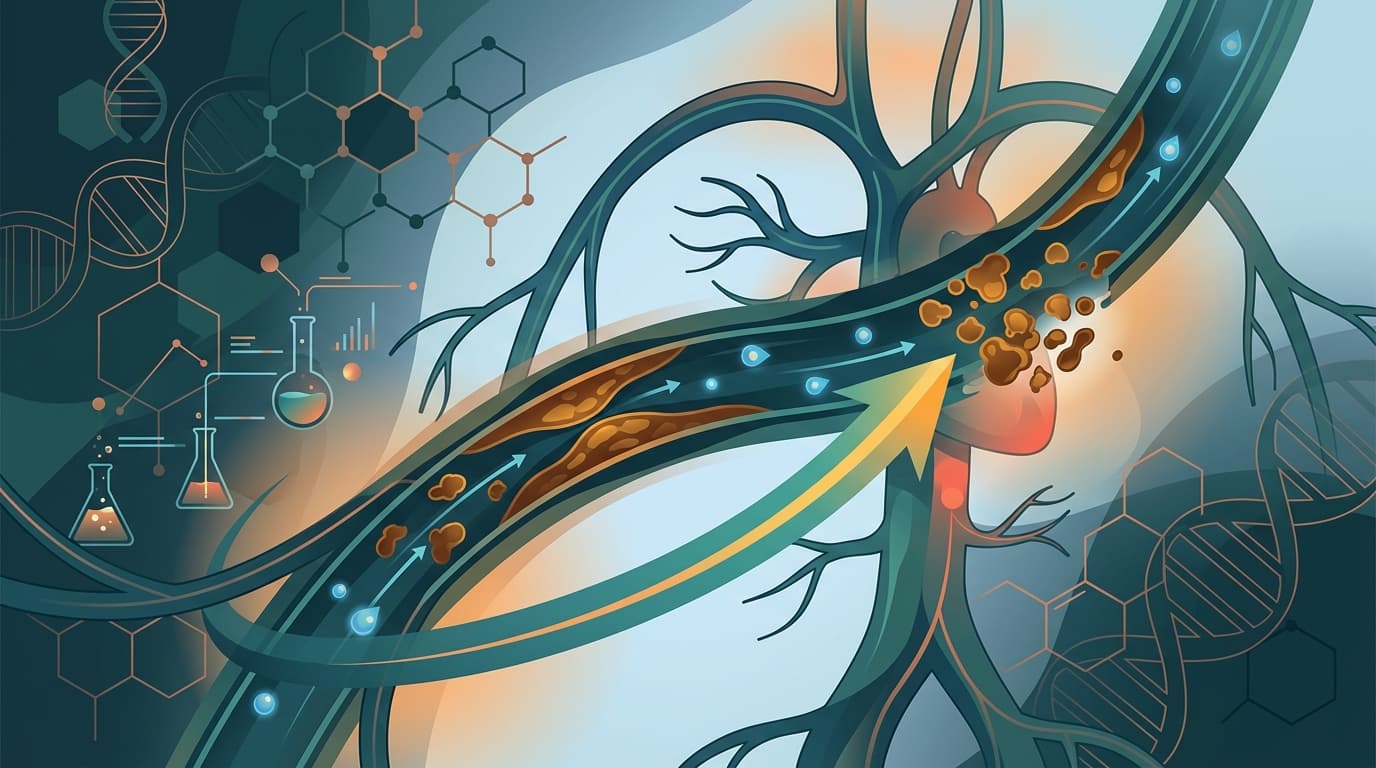
One Shot to Kill Your Cholesterol. Forever.
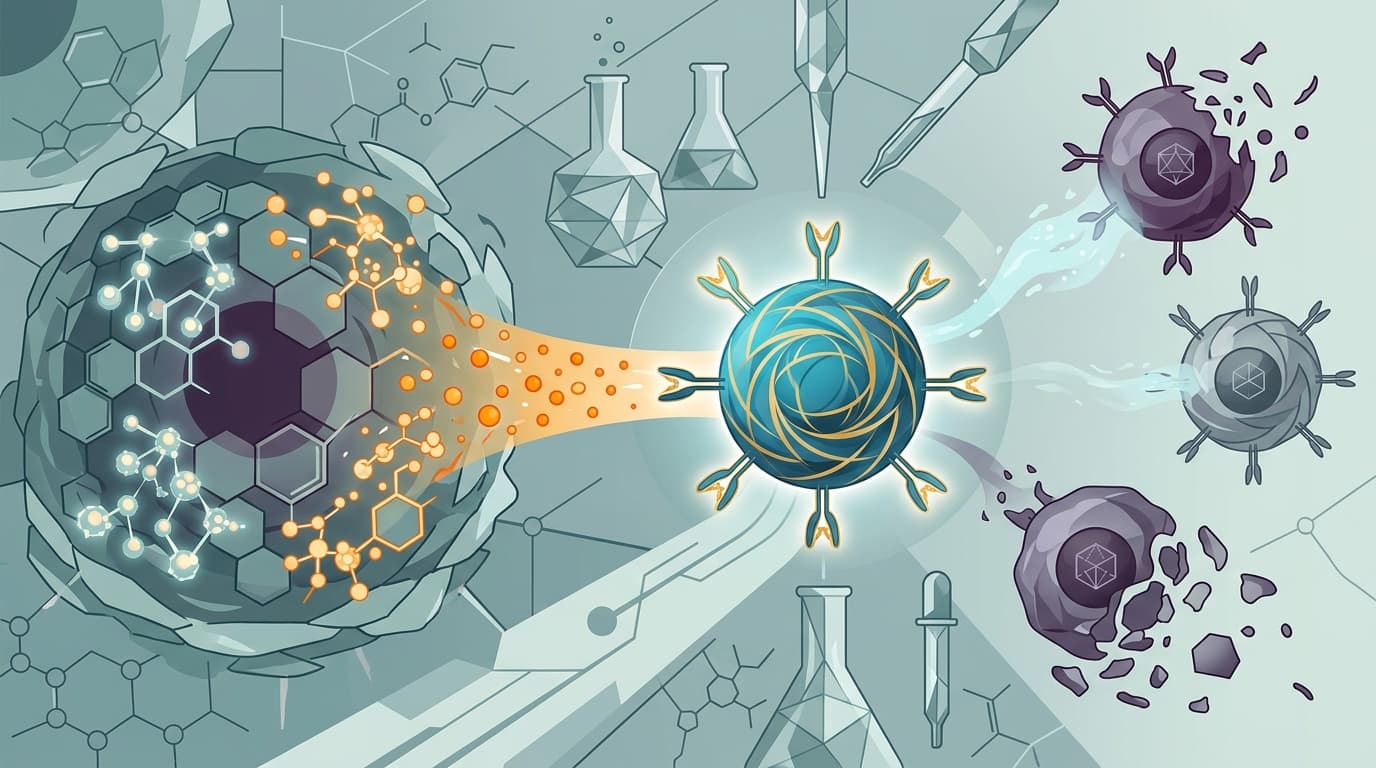
A single IV dose silenced the cholesterol gene PCSK9 for nearly a year in monkeys, slashing LDL by up to 70%. If it works in humans, it could replace daily statins with a one-and-done treatment.

Original reporting and analysis on the stories shaping biotech.

A single IV dose silenced the cholesterol gene PCSK9 for nearly a year in monkeys, slashing LDL by up to 70%. If it works in humans, it could replace daily statins with a one-and-done treatment.

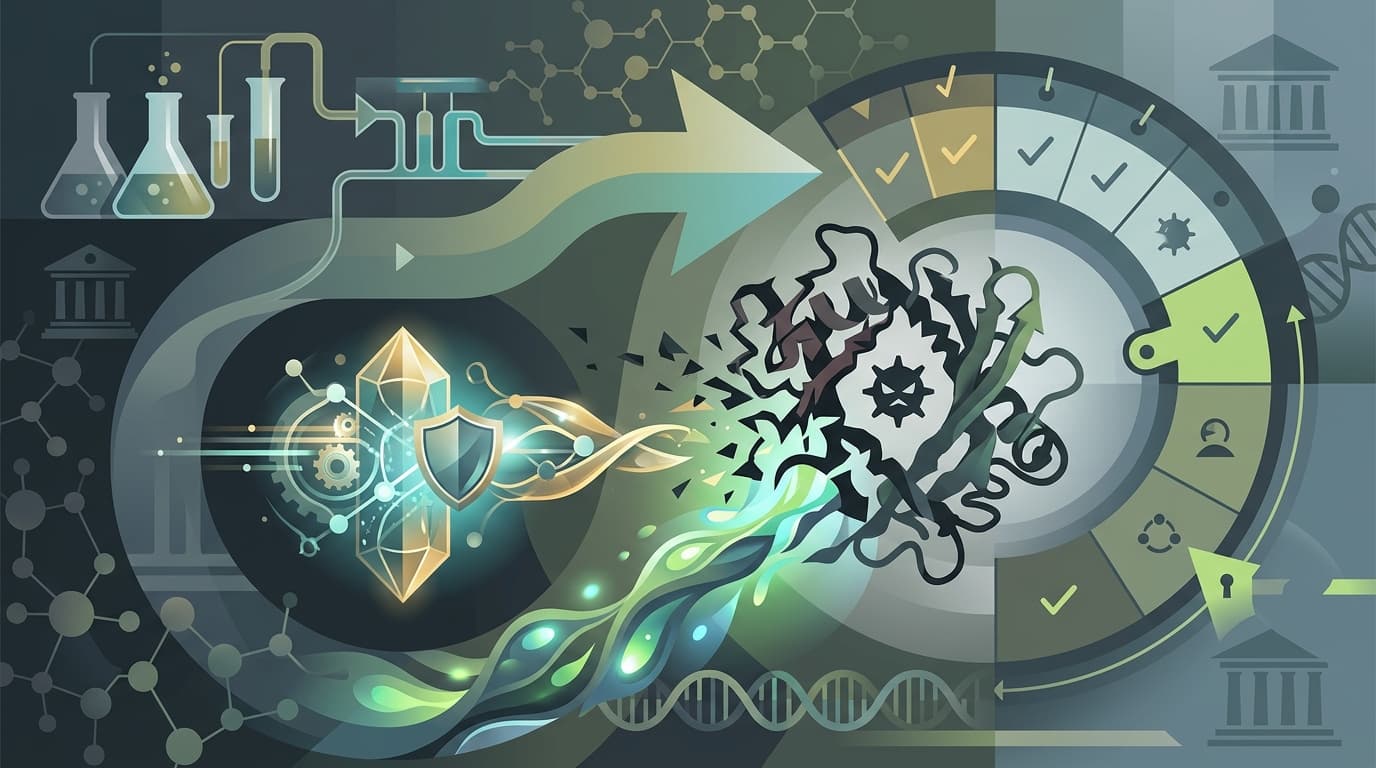
The FDA approved the first-ever combo pairing a HIF-2α inhibitor with a kinase inhibitor for kidney cancer, and the data suggest it outperforms the current go-to option. Merck's belzutifan empire now has five FDA approvals in five years, and Wall Street is paying attention.

Half of relapsed multiple myeloma patients stayed cancer-free for five years after a single CAR-T infusion, with no maintenance therapy. Legend Biotech's latest CARVYKTI data is fueling talk of something oncologists rarely dare to whisper: a potential cure.

Eli Lilly just committed $100 million to a Beijing-based biotech most investors have never heard of, with the total deal worth up to $3.35 billion. The partnership is Lilly's latest and loudest signal that it's not backing away from Chinese innovation, even as Washington tightens the screws on cross-border biotech deals.

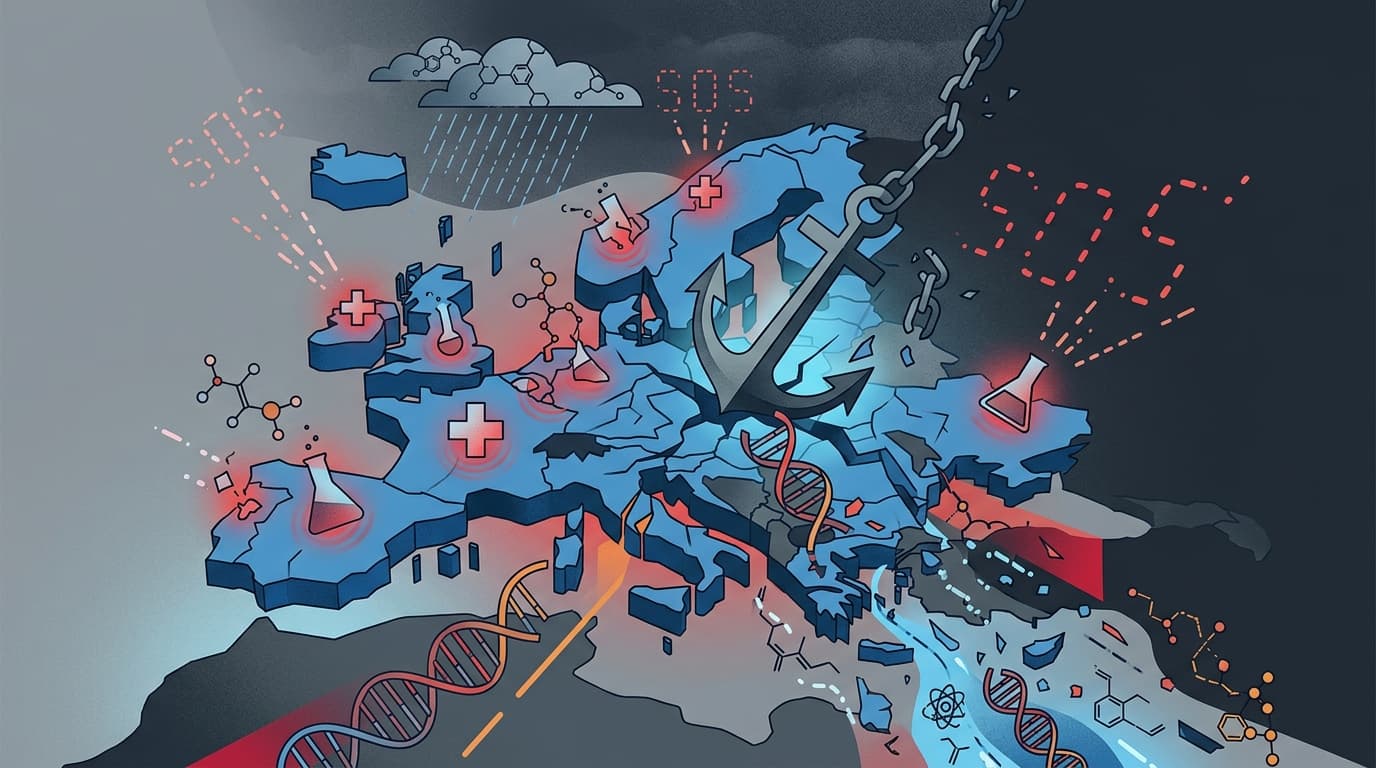
Nine of Europe's biggest pharma board chairs co-signed a rare open letter warning the continent faces a "slow agony" of biotech decline. The numbers behind their plea are even worse than the headline suggests.

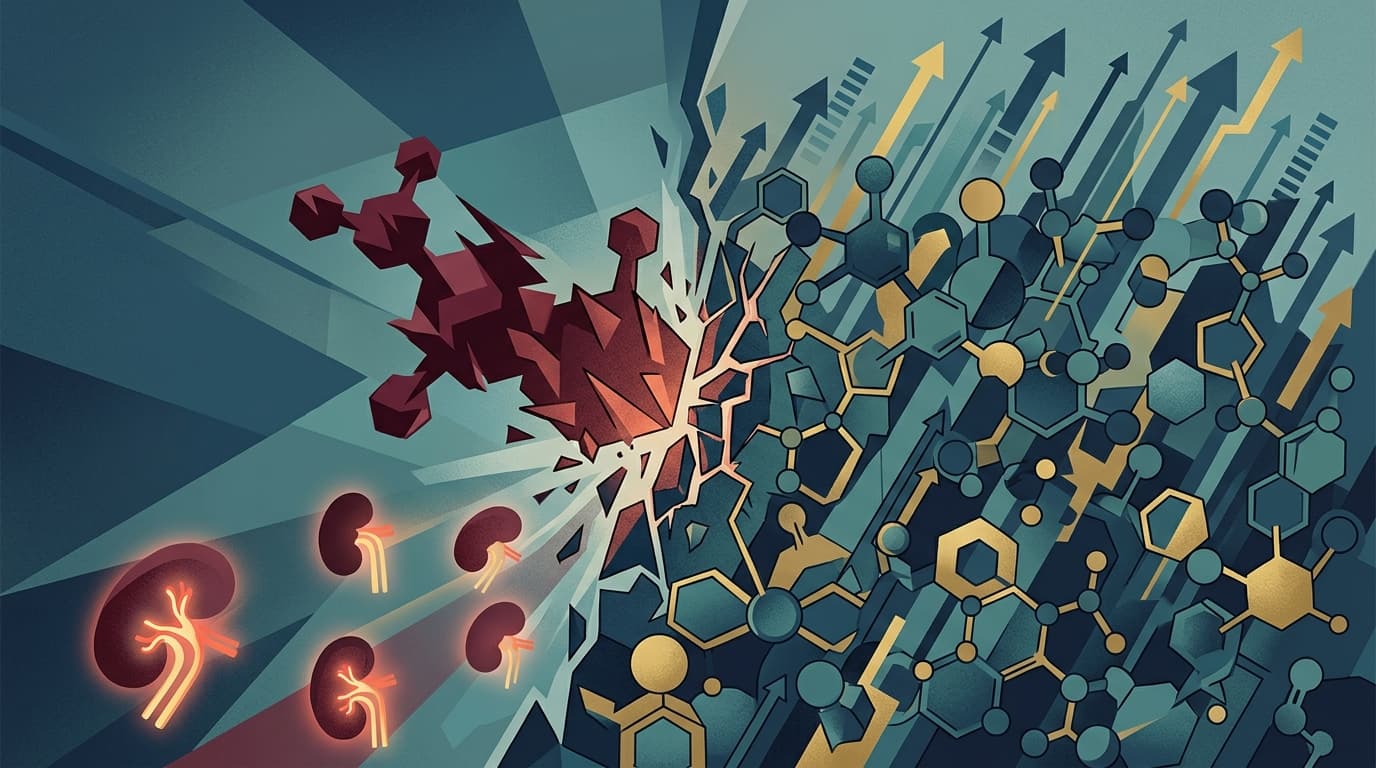
Roche and Ionis just posted a Phase 3 win for sefaxersen in IgA nephropathy, a kidney disease that already has six approved treatments fighting for market share. The data look promising, but the real question is whether drug number seven can carve out blockbuster territory in biotech's most crowded therapeutic race.

Roche signed a deal worth up to $2 billion with Atavistik Bio, a five-year-old startup most people have never heard of. The kicker: there's no late-stage drug involved, just a discovery platform and a very big bet on what comes after GLP-1s.

Merck's first-in-class Wnt-pathway drug just matched the standard of care in a pivotal diabetic macular edema trial, validating a completely new approach to fixing damaged retinal blood vessels. If the full data hold up, it could reshape a multi-billion-dollar market.

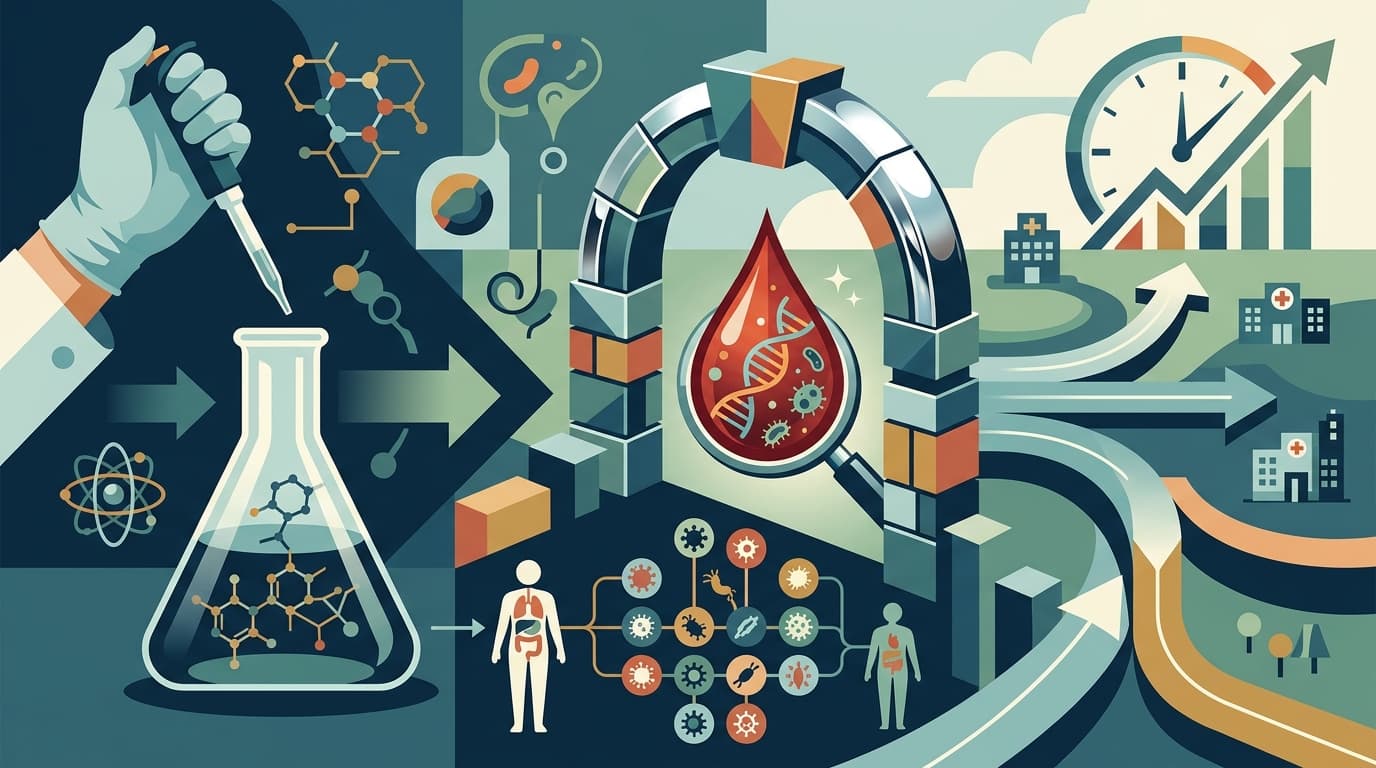
An FDA advisory panel just voted 7-2 that Grail's Galleri blood test, which screens for 17 cancer types from a single draw, is worth the risks. No lives-saved data yet, but the first-ever multi-cancer screening approval is now closer than ever.

The EU just passed its biggest agricultural biotech reform in two decades, creating a fast lane for certain gene-edited crops. It's a seismic shift for an industry that had all but written off Europe.

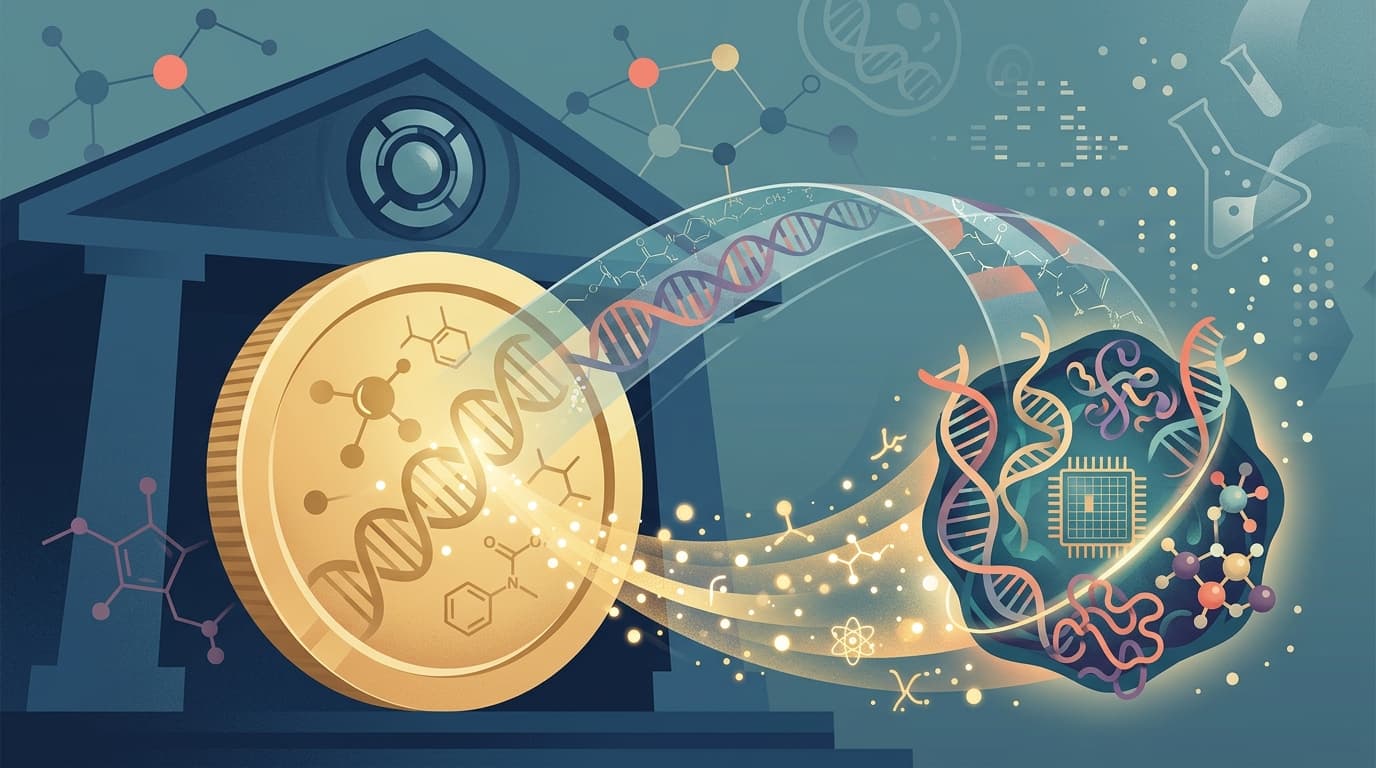
Flagship Pioneering, the biotech venture firm behind Moderna, just landed a $47 million Pentagon contract to develop biological threat countermeasures. It's not buying a single drug; the DoD wants access to Flagship's entire ecosystem of 40+ companies, and it signals a new era of biotech as national security infrastructure.

Enveda Biosciences just raised $311 million to let AI decode plant and microbial chemistry into actual drugs. With three candidates already in human trials and a $2 billion valuation, it's one of the year's biggest bets that nature might out-engineer Big Pharma.

Kyverna's CAR-T therapy miv-cel just posted one-year data in stiff person syndrome and myasthenia gravis with durable responses and zero high-grade toxicities. While competitors pause trials after patient deaths and safety scares, Kyverna's clean profile could make it the first approved therapy for SPS.

Trump's FDA nominee Heidi Overton faced senators on Capitol Hill, and the biotech industry is watching nervously. With no agency management experience, a skeptical committee chair, and flashpoint issues from vaccines to abortion pills, her path to confirmation is anything but guaranteed.

Merck's WINREVAIR just added Phase 3 HYPERION data to its FDA label, showing a 76% reduction in clinical worsening for recently diagnosed PAH patients. The first-in-class drug already hit $1.4 billion in sales last year, and the blockbuster math is only getting louder.

For decades, Sjögren's disease had zero FDA-approved treatments that target the actual disease. Amgen's dazodalibep just delivered a clean Phase 3 win in 651 patients, and the race to build an entirely new market is officially on.

Celldex's barzolvolimab swept both Phase 3 trials for chronic hives with striking complete response rates. But two anaphylaxis cases and a neutropenia signal sent shares tumbling 11.6%, and now the market is debating whether it overreacted.

Ulefnersen just delivered the strongest clinical data ever seen in FUS-ALS, a rare and brutal genetic form of Lou Gehrig's disease. The Phase 3 results could reshape how we think about treating neurodegeneration, one gene at a time.

Immunovant's IMVT-1402 just failed its Phase 2 test in cutaneous lupus, and the company killed the program entirely. The setback reveals a growing truth about FcRn inhibitors: they're master keys that only fit certain locks.

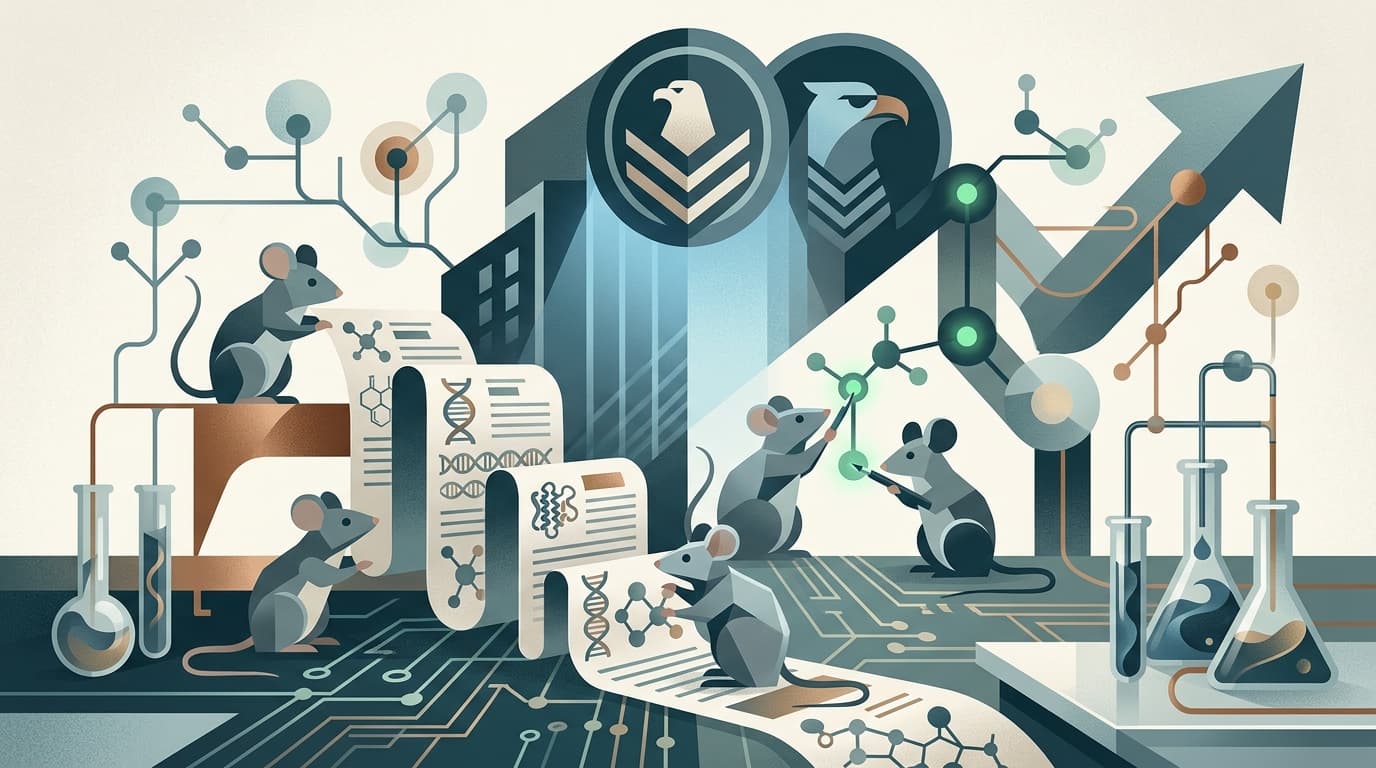
HHS just dropped $88 million and 20+ federal initiatives to move drug development away from animal testing and toward AI, organoids, and organ-on-a-chip systems. The lab mice might want to start networking.

Novartis just committed up to $900 million for a preclinical radioligand therapy from China's Boomray Pharmaceuticals, and nobody even knows what the drug targets. With Big Pharma's radioligand arms race heating up and geopolitical tensions simmering, this mystery deal says a lot about where oncology is headed.

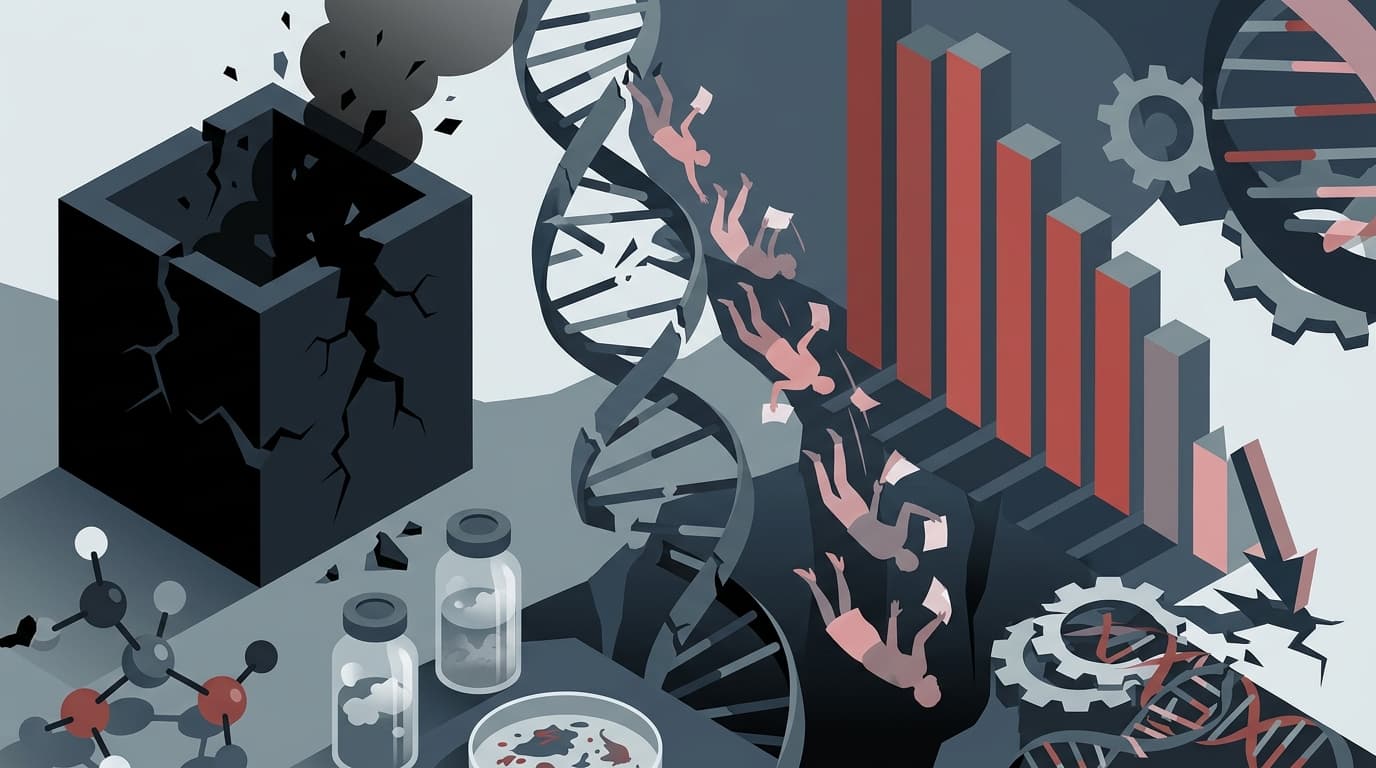
Sarepta just added a black box warning to its only approved gene therapy while cutting a third of its workforce. The company that was supposed to prove gene therapy could go mainstream is now fighting for survival at $20 a share.

Join thousands of biotech professionals who start their day with our free, daily briefing.