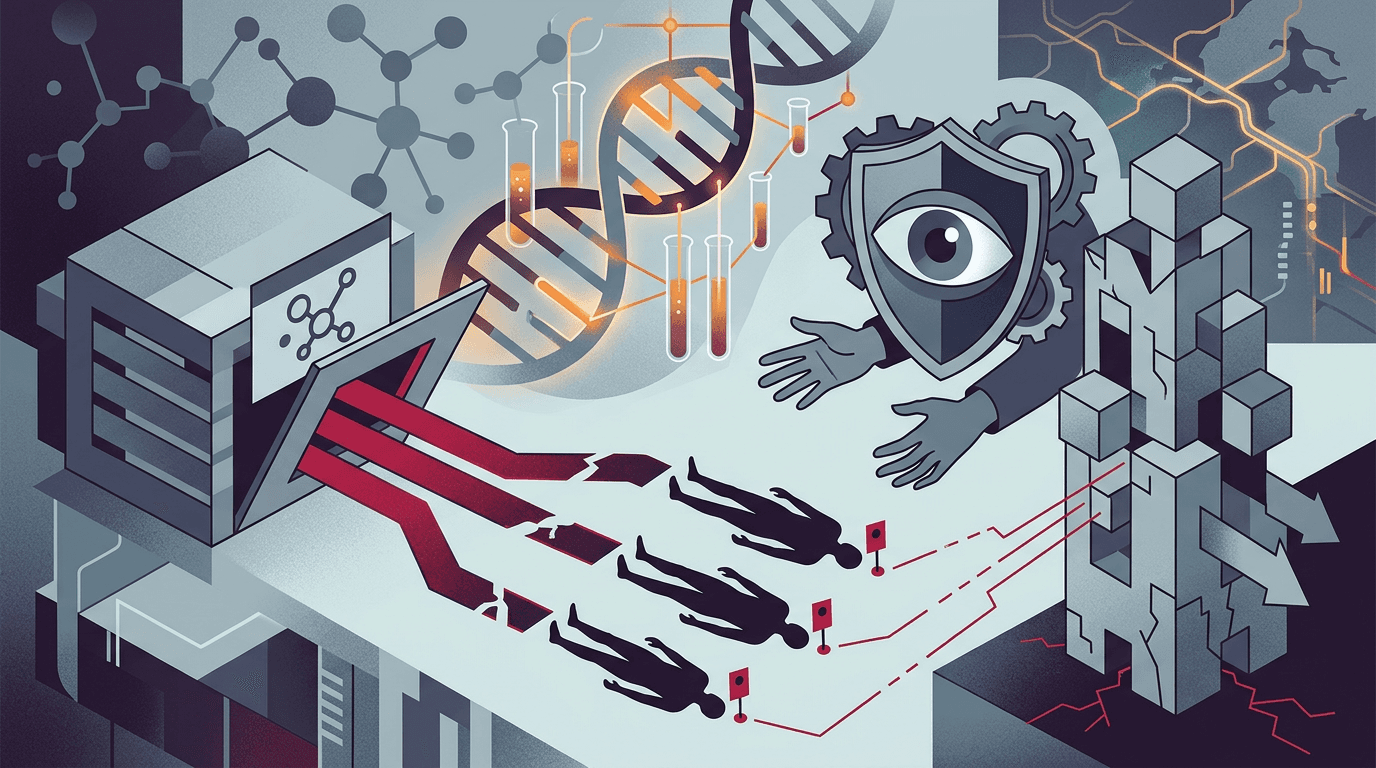

The FDA just called out Novo Nordisk for failing to report three patient deaths and at least ten other serious side effects tied to Ozempic, Wegovy, and Saxenda. Some reports were over 800 days late. The drugs aren't the problem; the company's safety reporting system is.
When someone dies while taking your blockbuster drug, you're supposed to tell the FDA. That's not a suggestion. It's federal law. And Novo Nordisk, the company behind the most popular weight-loss and diabetes drugs on the planet, apparently didn't get the memo.
The FDA issued a warning letter to Novo Nordisk on March 5, 2026, citing systemic failures in how the company reports serious side effects for its GLP-1 drugs, including Ozempic and Wegovy. Among the violations: three patient deaths that were never properly reported. One of those deaths was a completed suicide.
This isn't a slap on the wrist. It's the FDA essentially saying, "We can't trust your safety reporting, and that's a problem for everything you sell."
The trouble traces back to an FDA inspection at Novo Nordisk's U.S. headquarters in Plainsboro, New Jersey. Inspectors spent nearly a month there, from January 13 to February 7, 2025, digging through the company's post-marketing safety processes. What they found wasn't pretty.
Pharmaceutical companies are required to submit what's called a 15-Day Alert Report whenever they learn about a serious, unexpected side effect. Think of it like a fire alarm: if something bad happens, you pull it immediately. You don't wait. You don't ask questions first. You pull it.
Novo Nordisk didn't pull it. Multiple times.
The specifics are sobering. Two patient deaths linked to semaglutide (the active ingredient in both Ozempic and Wegovy) were never investigated or submitted as required alert reports. One occurred on January 30, 2024; the other on December 20, 2024. A third death case was tossed out because the company said it lacked a patient identifier.
Beyond the deaths, there was a completed suicide and a case of suicidal ideation that was submitted late. For liraglutide (the ingredient in Saxenda, Novo's older GLP-1 drug), the company rejected a report of a disabling stroke, deciding on its own that the drug wasn't related.
In total, the FDA flagged at least 10 serious events that weren't properly reported. Some of those reports were . To put that in perspective: a baby could have been conceived, born, and started walking before Novo got around to filing the paperwork.

CRISPR can fix a typo in your DNA. But what about replacing an entire missing gene? A new tool called INSTALL uses a clever immune-evasion trick to insert gene-sized DNA sequences, and it could unlock treatments for thousands of rare diseases that current editors can't touch.


Join thousands of biotech professionals who start their day with our free, daily briefing.

The FDA didn't just flag individual missed reports. It called out the entire system. Novo Nordisk's internal procedures had structural problems that practically guaranteed things would fall through the cracks.
For starters, the company required consent from the person who originally reported a side effect before it would even investigate. Imagine a hospital calling 911 but the dispatcher says, "Hold on, let me check if the caller is okay with us sending an ambulance." That's essentially what Novo was doing. In one case involving a patient death, this consent requirement blocked the investigation entirely.
The company also had internal rules that allowed it to cancel safety reports without confirming whether the drug actually caused the problem. And medical reviews were painfully slow: a suicidal ideation case from December 2024 didn't get reviewed until February 2025.
The FDA's language in the warning letter was unusually broad. While the inspection focused on semaglutide, liraglutide, and a couple of other products (nedosiran sodium and estradiol), the agency made clear it has "serious concerns about the scope and impact of these violations on your entire product portfolio."
That's a loaded sentence. Novo Nordisk doesn't just sell weight-loss drugs. It's a massive pharmaceutical company, and the FDA is essentially questioning whether any of its safety reporting can be trusted.
This also wasn't the company's only regulatory hiccup in recent months. In September 2025, the FDA sent Novo an untitled letter (a step below a warning letter) for misleading advertising of its semaglutide products. A separate August 2025 inspection flagged violations at a manufacturing plant in Bloomington, Indiana. The pattern isn't a great look.
Before anyone panics about their Ozempic prescription: the FDA's warning is about reporting failures, not drug safety. The agency isn't saying these drugs caused the deaths or the other serious events. It's saying Novo Nordisk broke the rules by not reporting them properly, which makes it harder for regulators to do their job.
In fact, the FDA conducted a separate safety review in January 2026 and concluded there was no connection between GLP-1 drugs and suicide. The agency actually asked manufacturers to remove boxed warnings about suicidal behavior from these medications. So the safety signal that sounds scariest here (the suicide and suicidal ideation cases) has already been evaluated and, for now, cleared.
Novo Nordisk responded on March 11, saying it had been working to fix the problems since the original 2025 inspection. The company expressed confidence it would resolve the FDA's concerns and emphasized that the warning letter "did not conclude anything about the safety or quality of its medicines."
The GLP-1 drug class is the most commercially important thing to happen to pharma in a generation. Ozempic and Wegovy aren't just drugs; they're cultural phenomena. When the company that dominates this market can't keep its safety reporting house in order, it creates a trust problem that ripples outward.
Post-marketing surveillance (tracking side effects after a drug hits the market) is the FDA's main tool for catching problems that clinical trials miss. Trials involve thousands of patients over a few years. The real world involves millions of patients over decades. If the pipeline of real-world safety data has leaks, regulators are flying partially blind.
Novo Nordisk submitted updated procedures through January 15, 2026, but the FDA deemed them inadequate, saying the company didn't provide enough detail about how its fixes would actually prevent future violations. So the back-and-forth continues.
The drugs themselves are probably fine. The evidence, on balance, supports their safety profile for their approved uses. But "probably fine" is not good enough when you're the biggest player in the biggest drug category in the world. The FDA expects better. Patients deserve better. And 800 days late is never, ever on time.
An Iran-linked hacking group just hit Stryker, one of the world's largest medical device companies, wiping 200,000 systems and claiming to steal 50 terabytes of data. The attack didn't compromise surgical robots or defibrillators, but it exposes a terrifying vulnerability in the healthcare supply chain.