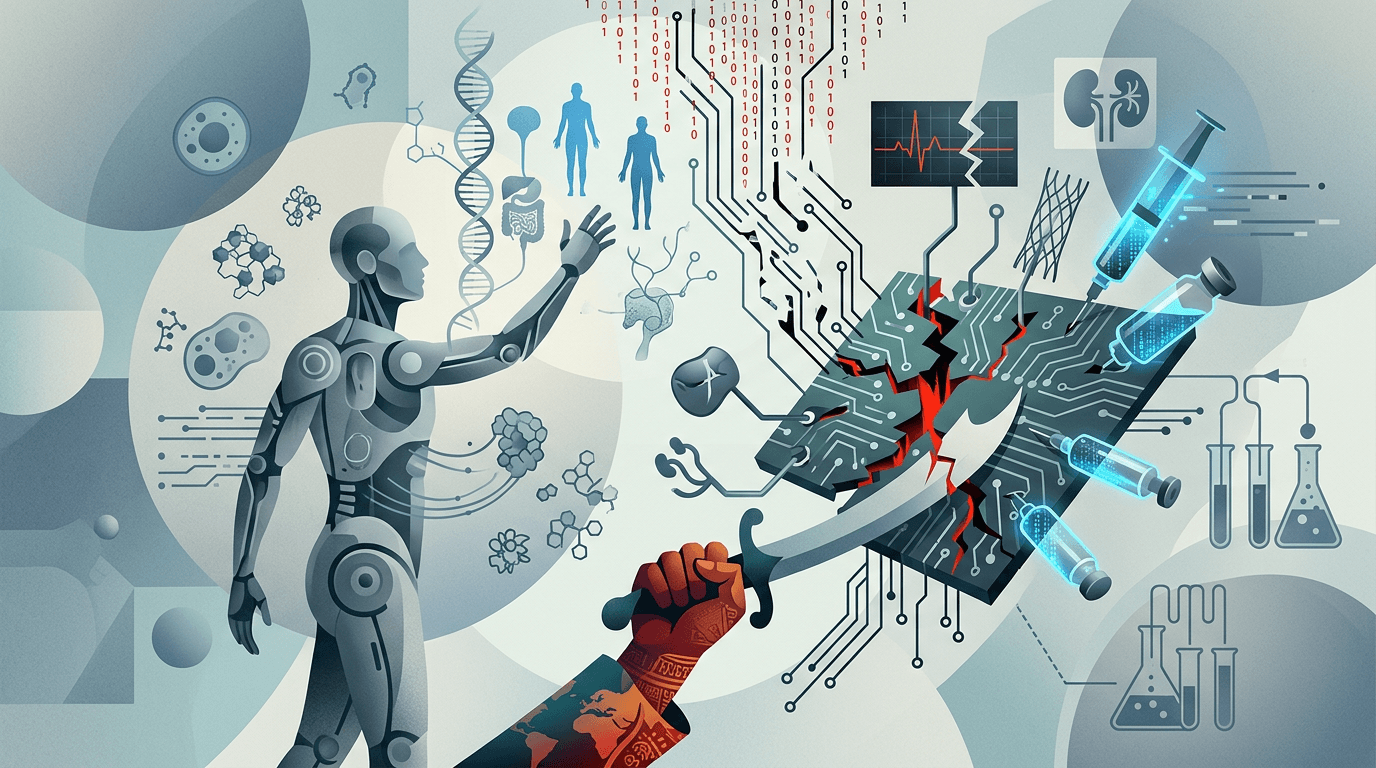

An Iran-linked hacking group just hit Stryker, one of the world's largest medical device companies, wiping 200,000 systems and claiming to steal 50 terabytes of data. The attack didn't compromise surgical robots or defibrillators, but it exposes a terrifying vulnerability in the healthcare supply chain.
Imagine showing up to work on a Tuesday morning, opening your laptop, and seeing a foreign hacker group's logo staring back at you instead of your login screen.
That's what happened to employees at Stryker on March 11, 2026. The $135 billion medical device giant, maker of surgical robots, defibrillators, and joint implants used in hospitals worldwide, got hit by a global cyberattack from an Iran-linked hacking group called Handala. The hackers reportedly wiped devices remotely, slapped their logo on company login pages, and claimed to have extracted a staggering 50 terabytes of data from over 200,000 systems.
This isn't some rinky-dink startup getting phished. This is one of the largest medtech companies on Earth, with $25.1 billion in annual revenue and 56,000 employees spread across 61 countries. And someone just walked into their digital house and flipped the lights off.
Handala isn't your garden-variety hacker collective posting edgy memes on Telegram. According to researchers at Check Point and Palo Alto Networks' Unit 42, the group masquerades as pro-Iranian hacktivists but has ties to Iran's Ministry of Intelligence and Security. Think of them less as freelance troublemakers and more as a state-backed operation with a political agenda.
The group framed the attack as retaliation for a school bombing in Iran that killed over 175 people, mostly children, linking it to broader U.S.-Israeli military actions against Iran since late February 2026. This marks Handala's first attack on a major U.S. business, a significant escalation from their previous hacktivist posturing.
Kevin Mandia, the well-known cybersecurity executive, discussed on Fox Business how Iran has shifted from threatening ships to targeting American companies, with Stryker as a prime example.
The good news, if you can call it that: Stryker says no ransomware or malware was involved. The incident was contained to the company's Microsoft environment, meaning the hackers targeted IT systems rather than the medical devices themselves.

CRISPR can fix a typo in your DNA. But what about replacing an entire missing gene? A new tool called INSTALL uses a clever immune-evasion trick to insert gene-sized DNA sequences, and it could unlock treatments for thousands of rare diseases that current editors can't touch.


Join thousands of biotech professionals who start their day with our free, daily briefing.
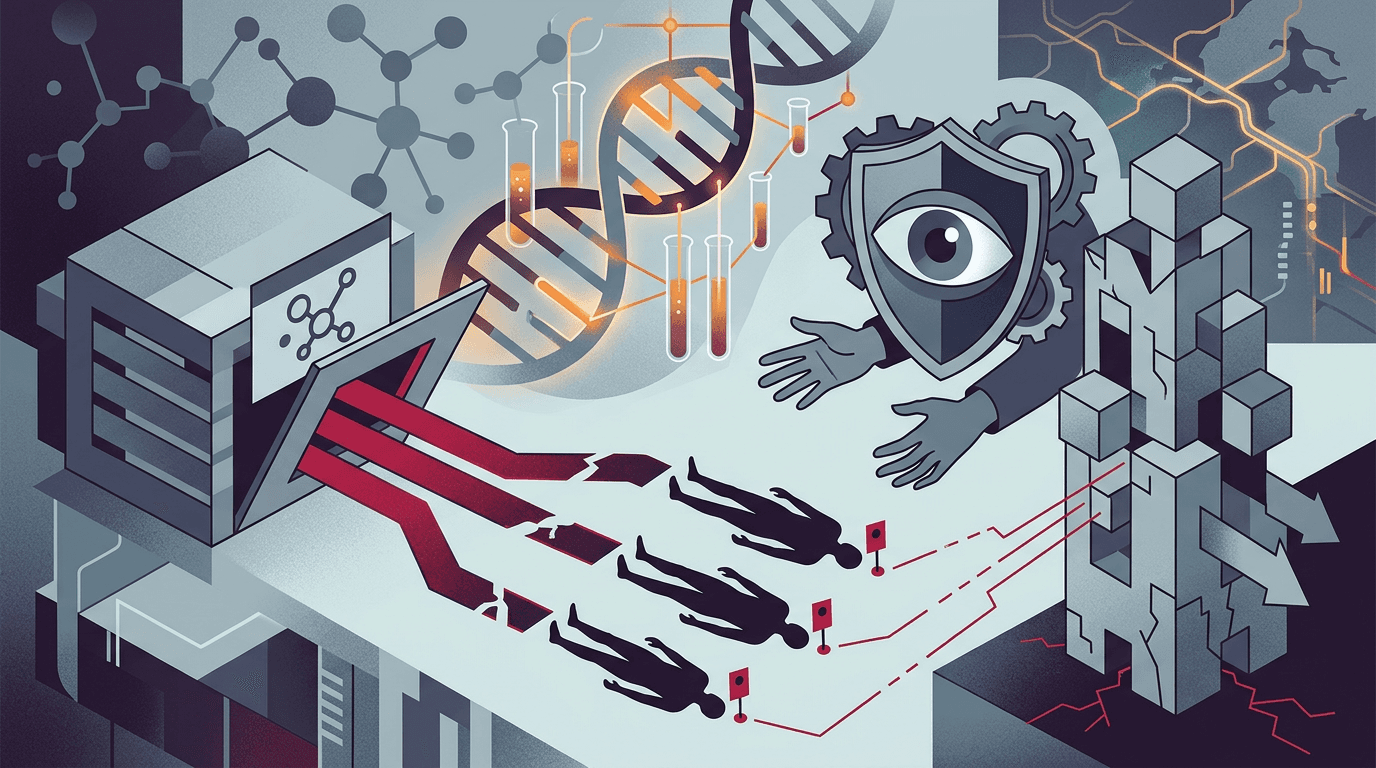
Stryker's headline products, including the Mako surgical robot (with over 3,000 units installed in hospitals globally), Vocera communication devices, and LIFEPAK35 defibrillators, were not explicitly mentioned as compromised. So if you're scheduled for a knee replacement next week, your robot surgeon hasn't been compromised.
But the operational damage is real. Stryker's global headquarters in Portage, Michigan was closed as a precaution. In Ireland, home to their largest manufacturing hub outside the U.S. with over 4,100 employees, some production systems were shut down. Employees across the company were told to disconnect all company-issued hardware from the internet. Some were instructed to delete work profiles from their smartphones entirely.
Orders placed before the attack are still processing. Orders placed after? Under review. For a company that supplies hospitals with everything from joint implants to hospital beds, even a brief disruption ripples outward fast.
Stryker's breach isn't an isolated incident. It's the latest symptom of a much bigger disease.
Supply chain attacks hit 68% of healthcare organizations in 2024.
The attack surface keeps growing, too. That means more potential entry points for hackers, and the statistics on device security are bleak: 53% of networked medical devices have critical vulnerabilities, one in five runs on an unsupported operating system, and 21% still use weak or default credentials.
CISA (the Cybersecurity and Infrastructure Security Agency) had already issued alerts earlier in 2026 about vulnerabilities in patient monitors that could allow remote access. Regional incidents in Los Angeles forced emergency rooms to switch to manual operations. The Stryker attack just turned a slow-burning problem into a five-alarm fire.
The scary part isn't that Stryker got hacked. Companies get hacked every day. The scary part is who did it and why.
State-backed actors going after medical device companies represents a fundamentally different threat than cybercriminals looking for a ransom payout. Handala didn't deploy ransomware. They didn't ask for money. They wiped systems and stole data as a political statement, which means the playbook for defending against this kind of attack looks very different from traditional cybersecurity measures.
Stryker, to their credit, had business continuity plans in place and activated them quickly. The company says systems are being restored, and they're posting updates through their newsroom. But the incident raises uncomfortable questions for the entire medtech industry.
If a $135 billion company with resources to build robust defenses can get its Microsoft environment compromised across 200,000 systems, what about the smaller device makers? The startups running lean IT teams? The contract manufacturers in the supply chain with even fewer resources?
The FDA already requires a Software Bill of Materials (basically a detailed ingredient list for software) for new medical devices under Section 524B. But regulation alone won't solve this. The healthcare industry is sitting on a ticking clock: more connected devices, more sophisticated attackers, and a geopolitical landscape where medical infrastructure is increasingly fair game for state-sponsored operations.
Stryker will recover. They have the money, the team, and the continuity plans to bounce back. But this attack should be a wake-up call for every company that makes, distributes, or relies on medical devices. The question isn't whether healthcare's cybersecurity will be tested again. It's whether the industry will be ready next time.
A South Korean biotech with no drugs on the market just drew 839-to-1 institutional demand for its IPO, pricing at the top of its range. Behind the frenzy: a near-billion-dollar licensing deal with a US partner backed by one of biotech's biggest venture firms.