The FDA Just Opened the Door to Medicines Built for One Person
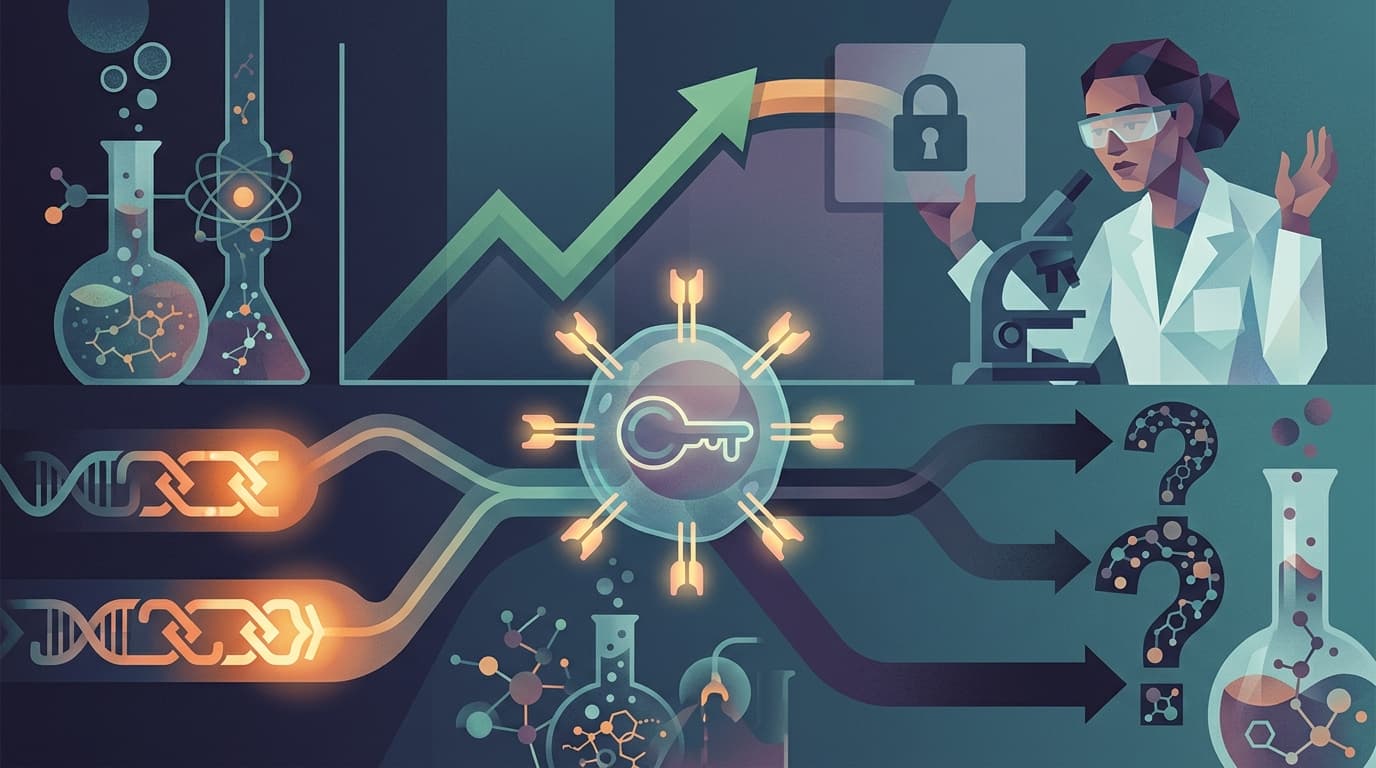
The FDA just built a regulatory highway for gene therapies designed for as few as one patient. It could transform rare disease treatment, but the economics are genuinely terrifying.

Original reporting and analysis on the stories shaping biotech.

The FDA just built a regulatory highway for gene therapies designed for as few as one patient. It could transform rare disease treatment, but the economics are genuinely terrifying.

AstraZeneca and Ionis's eplontersen just failed the largest ATTR cardiomyopathy trial ever run, despite crushing it in nerve disease. The surprise flop reshuffles a multi-billion-dollar market and hands a massive gift to Alnylam and BridgeBio.

Eli Lilly's retatrutide just posted the best weight-loss numbers any drug has ever achieved, rivaling bariatric surgery. But its failure to show a clear cardiovascular benefit could limit insurance coverage and hand competitors a surprising edge.

Small cell lung cancer has defeated almost every new drug for decades. GSK and Hansoh's ADC just became the first B7-H3 therapy to show a survival benefit in a phase III trial, and it could reshape one of oncology's most stubborn battlegrounds.

Sarepta slapped the FDA's most severe safety warning on its gene therapy Elevidys after patient deaths, then cut 500 workers in the same week. With the stock down 80% and $1 billion in debt looming, the leading Duchenne muscular dystrophy company is fighting for survival.

For over a decade, CAR-T therapy dominated blood cancers but couldn't crack solid tumors. China just approved the world's first solid-tumor CAR-T for stomach cancer, and the implications for the entire cell therapy field are enormous.

Novartis is paying $1.1 billion upfront for Myricx Bio, a London biotech with zero approved drugs and a completely novel ADC payload nobody else is using. It's either a visionary platform play or the most expensive preclinical bet in pharma history.

The FDA just approved a CRISPR gene therapy for kids as young as two, a world first. Casgevy's expansion into toddlers could prevent the silent organ damage that sickle cell disease inflicts from infancy, but delivering a treatment this complex to tiny patients is a whole different challenge.

Pfizer's sigvotatug vedotin, a key ADC from its $43 billion Seagen acquisition, just failed its pivotal lung cancer trial. The Seagen bet isn't dead yet, but the margin for error is shrinking fast.

AbbVie is paying $10.9 billion for a company that was founded in 2022 and has zero approved drugs. The bet: a next-gen eczema and asthma antibody that could challenge Dupixent with shots every three to six months instead of every two weeks.

The NIH just joined a $5 billion, 15-agency federal AI initiative that aims to cut drug development timelines in half. It's the biggest bet on AI-driven biomedical research in U.S. history, and it comes with some serious strings attached.

The House just passed a bill forcing the FDA to stop defaulting to animal testing in its drug approval rules. With animal studies costing up to $1.1 billion per approved drug and adding years to development timelines, the biotech industry's preclinical playbook is about to get a serious rewrite.

A tiny startup just raised $62 million to repurpose cancer's most powerful cell-killing technology against autoimmune disease. The monkey data look stunning, but the real test is just getting started.

An international team just published AI-designed proteins that sit dormant until they detect a specific molecular target, then snap to life like programmable switches. The implications for diagnostics, drug delivery, and precision medicine are enormous, and the framework is what really changes the game.

The FDA just fast-tracked Pfizer's PARP inhibitor combo for an earlier stage of prostate cancer where no targeted therapy exists. If approved, it could reshape how tens of thousands of men are treated at first diagnosis and give Pfizer a crucial first-mover advantage in a wide-open market.

Eli Lilly is now selling the highest doses of Zepbound in single-dose vials for $449 per month, roughly 60% cheaper than the standard auto-injector pens. It's a strategic play in a GLP-1 pricing war that's reshaping who can actually afford obesity drugs.

Roche killed its lupus T-cell engager after early data fell short, but immediately doubled down on autoimmune cell therapies through its $1.5 billion Poseida deal. The move reveals a critical tension in the hottest space in biotech: cancer-grade immune weapons might be too blunt for autoimmune disease.

The Senate unanimously passed a bill capping the patents a biologic maker can assert against biosimilar challengers at 20. With blockbusters like Keytruda and Dupixent protected by 80 to 130+ patents each, the legislation could reshape how pharma defends its biggest drugs.

The FDA just approved a fifth targeted drug for ROS1-positive lung cancer, a rare mutation that hits only 1-2% of patients. Jideytro is built to work when the other four drugs have already failed, and its brain-penetration data might be the most impressive part.

A Swiss startup just tested a battery-less brain implant that beams neural data through your skin using infrared light. If the tech holds up in chronic trials, it could reshape the entire brain-computer interface field.

Repligen is spending $1.5 billion to acquire BioLife Solutions, the company whose biopreservation media keeps living cells alive in roughly 90% of approved cell therapies. It's the biggest picks-and-shovels play in cell therapy manufacturing this year, and it says a lot about where the real money is flowing.

The FDA wants to hire 2,200 people after losing over 3,000 in last year's cuts, while simultaneously overhauling how clinical trials are evaluated. Executives are cautiously hopeful, but the math on staffing doesn't add up yet, and the trust deficit may be harder to fix than the headcount.

Join thousands of biotech professionals who start their day with our free, daily briefing.