Vertex's $10 Billion CF Fortress Just Lost Its Last Serious Challenger
,

Original reporting and analysis on the stories shaping biotech.

,

Curium's $8 billion bid for Lantheus would create the largest radiopharmaceutical company ever assembled. With big pharma already pouring billions into nuclear medicine, this deal could reshape how cancer gets diagnosed and treated.

President Trump's executive order just cut the universal childhood vaccine schedule from ~20 disease targets to 11, reclassifying shots like hepatitis B, rotavirus, and flu into optional categories. The medical establishment is furious, Merck could lose $2 billion in annual revenue, and the whole thing raises a bigger question: who should be writing your kid's shot card?

Jazz Pharmaceuticals is spending up to $1.32 billion to acquire Actio Biosciences and its experimental drug for KCNT1 epilepsy, a devastating childhood seizure disorder with zero FDA-approved treatments. It's a massive bet on a tiny patient population, and Wall Street is cautiously intrigued.

The FDA just released a framework for approving gene therapies built for a single patient. It could unlock treatments for hundreds of ultra-rare diseases, but the question of who pays for a million-dollar drug designed for one person is far from settled.

Harrow just scooped up the only FDA-approved nasal spray for dry eye disease, paying $30 million upfront in a deal that could total $100 million. The play: bolt a first-in-class product onto an ophthalmology empire that's already growing 36% a year.

Actimed just took back full worldwide rights to its cachexia drug after partner Faraday Pharmaceuticals collapsed and shut down. The original deal was worth up to $126 million, but a clean slate might actually be worth more.

Ensoma just cut staff for the second time in nine months, pausing nearly its entire pipeline to bet everything on a single gene therapy. It's a pattern playing out across the sector, and it's getting harder to watch.

BlossomHill Therapeutics just pulled off a $150 million upsized IPO in the busiest week for biotech listings all year. With 2026 already blowing past 2025's full-year IPO numbers, the biotech market's comeback is looking very real.

Latigo Biotherapeutics just pulled off one of the biggest biotech IPOs of 2026, raising $345.6 million for its non-opioid painkiller pipeline. The company went from stealth mode to Wall Street darling in barely two years, and the deal says a lot about where the biotech IPO market is headed.
ICON, the $8.25 billion CRO giant, just signed a multi-year deal to embed Anthropic's Claude AI across its entire clinical trial operation. With 80% of trials facing enrollment delays, the partnership could reshape how the industry runs studies.

Repligen is spending $1.5 billion to acquire BioLife Solutions, the company that makes the freezers, thawing devices, and shipping containers keeping cell therapies alive. It's the biggest bet yet that CGT's real bottleneck isn't the science; it's the supply chain.

Supernus and Indivior are combining forces in an all-stock merger that creates a $2.2 billion CNS and addiction treatment powerhouse with 11 marketed drugs. Wall Street loved it, both stocks popped, and the deal signals that mid-cap neuroscience companies would rather merge than get eaten.

Eli Lilly is paying up to $3.8 billion for AtaiBeckley, a psychedelic-derived mental health company targeting treatment-resistant depression. It's the biggest bet big pharma has ever placed on psychedelic medicine, and analysts say it could reshape the entire field.

The FDA just approved the first new sunscreen active ingredient in over 20 years, and it makes America's current options look ancient. Bemotrizinol is here, and it might finally close the gap between U.S. sunscreen and the rest of the world.

Pathos AI dropped $125 million upfront and committed to a deal worth up to $2.2 billion for a Chinese cancer drug, then inked a partnership with AstraZeneca in the same week. It's the biggest test yet of whether AI can actually pick winners in drug development.

Tarsus Pharmaceuticals is spending up to $800 million to acquire Alkeus and its late-stage Stargardt disease therapy, a rare eye condition with zero approved treatments. It's a bold bet on rare disease pricing in a market where nobody has planted a flag yet.

RiboX Therapeutics just got FDA clearance to test the first circular RNA-based in vivo CAR-T therapy in humans. Instead of extracting and reprogramming your T cells in a factory, RXIM002 aims to do it inside your body with a single injection. The Phase 1 trial could rewrite the rules of cell therapy.

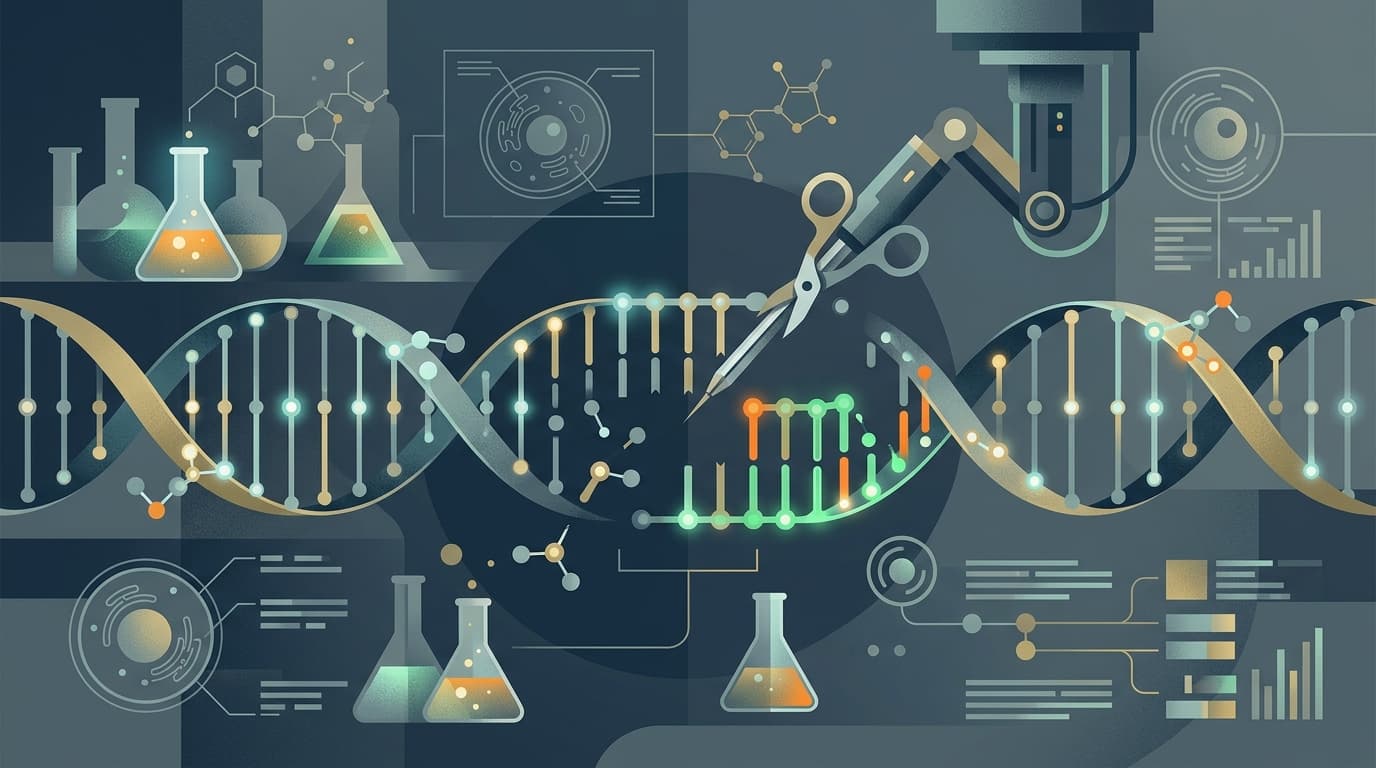
The FDA just approved Casgevy, the first CRISPR gene therapy for sickle cell disease in children as young as two. The trial data were near-perfect, but at $2.2 million per patient, the real test is whether the kids who need it most can actually get it.

Intellia says it cracked the case on what caused a severe liver injury in its CRISPR gene-editing trial, and the answer could determine the future of an entire therapeutic platform. The stock is climbing, analysts are upgrading, but not everyone's convinced the mystery is truly solved.

Eli Lilly is spending up to $2.3 billion on Ajax Therapeutics and its next-generation JAK inhibitor, betting big on a drug class the FDA has flagged for heart attacks, cancer, and blood clots. The twist: Ajax's approach is fundamentally different from every JAK drug on the market.

argenx is spending $2.2 billion in cash to buy Forte Biosciences and its early-stage anti-CD122 antibody, FB102. It's the biggest bet yet in the company's push to become more than a one-drug wonder.

Join thousands of biotech professionals who start their day with our free, daily briefing.