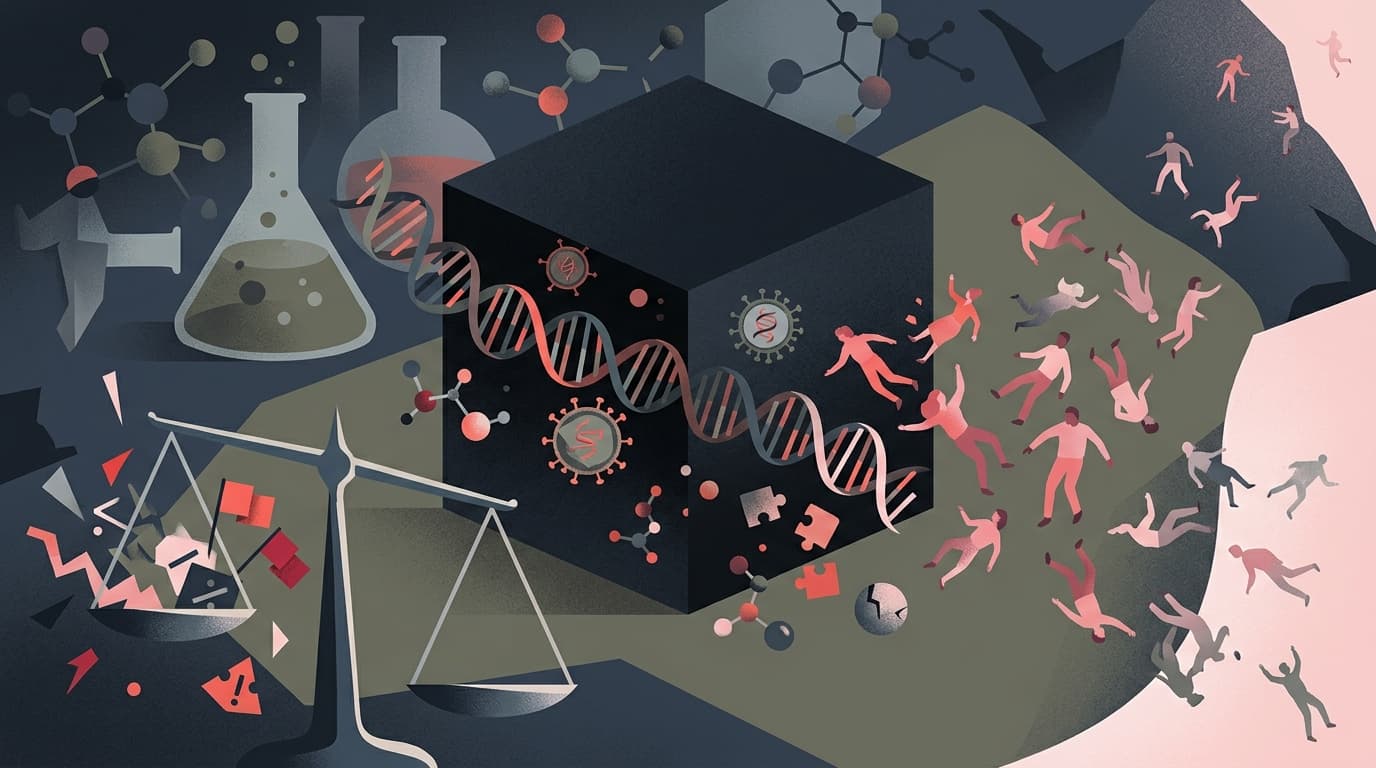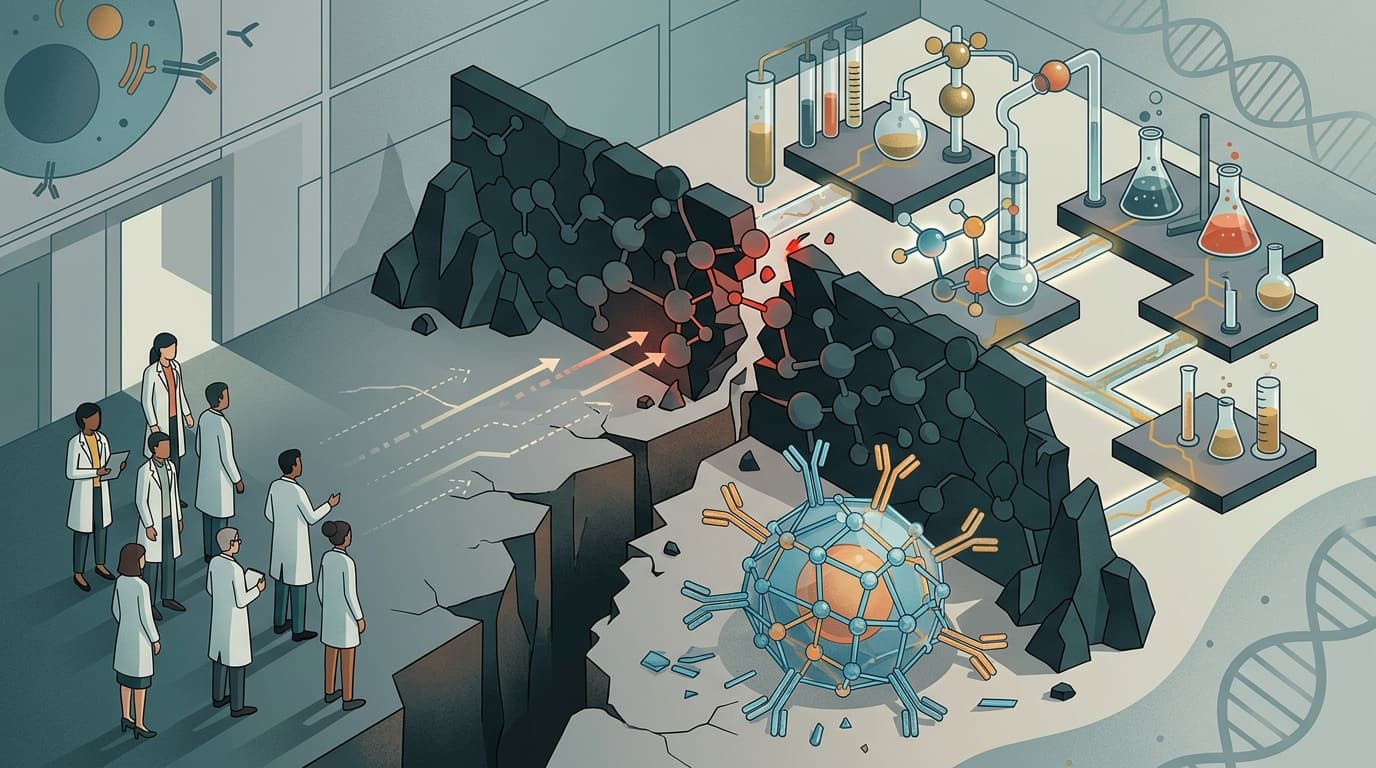

Three patient deaths forced Novartis to halt its autoimmune CAR-T program, and BMS paused its own shortly after. The hottest idea in autoimmune medicine is now facing the hardest question in drug development: when is the cure more dangerous than the disease?
Three patients walked into a clinical trial hoping to fix their broken immune systems. They didn't walk out.
Novartis confirmed in late August that three people died in its autoimmune CAR-T program after suffering a severe, runaway immune reaction. The company pulled the plug on eight trials across lupus, lupus nephritis, rheumatoid arthritis, vasculitis, systemic sclerosis, idiopathic inflammatory myopathies, myasthenia gravis, multiple sclerosis, and Sjögren's disease. Days later, Bristol Myers Squibb quietly disclosed its own pause in a separate autoimmune CAR-T program.
Just like that, the hottest idea in autoimmune medicine is facing an existential question: is the cure too dangerous for the disease?
To understand why this matters, you need to understand the hype. CAR-T therapy was originally built for cancer. Doctors extract a patient's immune cells, genetically engineer them to hunt down a specific target, and infuse them back in. In blood cancers, the results have been stunning; some patients with terminal leukemia went into complete remission.
Naturally, someone asked: what if we used this same weapon against autoimmune diseases? Instead of hunting cancer cells, the engineered T-cells would wipe out the rogue B cells that attack a patient's own body. Think of it as a factory reset for a malfunctioning immune system.
Early results looked almost too good to be true. Small studies showed patients with severe lupus going into remission, ditching their immunosuppressive drugs entirely. The autoimmune CAR-T gold rush was on. Novartis, BMS, Kyverna, Cabaletta, Cartesian, and others all piled in. It felt like a new era.
Then the deaths happened.
Novartis's therapy, called rap-cel (rapcabtagene autoleucel), is a CD19-directed CAR-T treatment. It targets a protein on the surface of B cells and destroys them, aiming to reset the immune system in one shot.
The problem was something called IEC-HS: immune effector cell-associated hemophagocytic syndrome. In plain English, the engineered T-cells triggered a hyperinflammatory spiral so severe that the body essentially attacked itself. Novartis described the cases as "IEC-HS events with fatal outcomes."

Takeda's oveporexton just swept every endpoint in two Phase 3 narcolepsy trials by replacing the brain signal that's actually missing. It's the first time anyone has proven orexin receptor agonism works in late-stage testing, and it could reshape how we think about sleep disorders.


Join thousands of biotech professionals who start their day with our free, daily briefing.

On August 24, 2026, Novartis froze screening, enrollment, and treatment across all eight autoimmune and neurology rap-cel studies. The company said its cancer CAR-T trials (in lymphoma and leukemia) were unaffected. Independent safety boards are now reviewing the cases.
The specific details of each death haven't been made public. But the pattern is clear enough to spook the entire field.
Bristol Myers Squibb's situation looks different on the surface, but the timing is impossible to ignore. The company voluntarily paused enrollment in its zola-cel (zolacabtagene autoleucel) autoimmune program, which was targeting systemic lupus and systemic sclerosis.
BMS described the side effects as "transient and reversible inflammatory events" and used the classic regulatory phrase: "out of an abundance of caution." Reports indicate the enrollment halt actually began back in June 2026, though public disclosure came in early September.
One detail stands out: BMS had already reported a Phase I case of IEC-HS in the zola-cel program before this broader pause. The company maintained confidence in its program and framed this as a pause, not a termination. That's a meaningful distinction. But when two of the biggest pharma companies in the world both tap the brakes on the same type of therapy within weeks, the market pays attention.
In cancer, CAR-T's dangers are well documented. Post-marketing data shows that death was reported in 16.6% of axi-cel adverse event reports and even higher for tisa-cel. Cytokine release syndrome (a violent inflammatory reaction), brain swelling, and infections are all known killers. A meta-analysis of CAR-T deaths found that infections caused nearly half of all fatalities (47.6%), while immune overreactions like CRS and the hemophagocytic syndromes accounted for about 11%.
But oncology patients accept those odds. When the alternative is terminal cancer, a risky treatment with a shot at remission makes sense. The math is brutal but straightforward.
Autoimmune patients live in a completely different calculus. A 35-year-old with lupus might face decades of difficult symptoms, but they have decades of life expectancy ahead of them. Asking that person to accept the same toxicity profile as a terminal cancer patient is a fundamentally different proposition. It's like using a flamethrower to light a birthday candle; the tool might work, but the collateral damage changes everything.
This isn't just a Novartis problem. The safety signal hangs over every company in the autoimmune CAR-T space.
Kyverna is advancing KYV-101 in lupus nephritis and positioning itself for a potential first-ever autoimmune CAR-T approval. Cabaletta Bio is pushing CABA-201 through lupus and other autoimmune programs. Cartesian Therapeutics has taken a different approach entirely, using mRNA-based CAR-T technology (which is designed to be temporary rather than permanent) in myasthenia gravis and lupus.
Each of these companies will now face harder questions from regulators, investors, and patients. The FDA had already added a boxed warning to approved CAR-T products for the risk of secondary T-cell malignancies. Piling fatal immune overreactions on top of that concern makes the regulatory path steeper for everyone.
The companies with the strongest counter-arguments may actually benefit. Cartesian's mRNA approach, for instance, produces CAR-T cells that fade over time rather than persisting permanently; that could be a selling point if permanent CAR-T cells are the ones causing runaway immune reactions. Similarly, developers with gentler conditioning regimens (the chemotherapy given before CAR-T infusion) or better patient-selection criteria might distinguish themselves from the pack.
The autoimmune CAR-T thesis isn't dead. But it just got a serious reality check.
Before these deaths, the field's narrative was simple: early data is spectacular, side effects are manageable, and we're on the verge of transforming how autoimmune diseases are treated. That story was built on small patient numbers and short follow-up. As trials scaled up, the rare-but-devastating risks became visible.
The industry's response will likely follow a familiar pattern: tighter patient selection, more intensive monitoring, modified dosing, and longer follow-up requirements. Regulators will almost certainly demand more safety data before greenlighting any autoimmune CAR-T therapy. The timeline to first approvals just got longer.
For patients with severe, treatment-resistant autoimmune disease, this is genuinely tragic. Many of them have run out of options, and CAR-T represented real hope. The challenge now is figuring out how to deliver on that hope without the cost being measured in lives. That's not a question anyone can rush.
Sarepta hit its Duchenne gene therapy Elevidys with the FDA's most serious safety warning after fatal liver failures, then cut 36% of its workforce in the same week. It's the biggest crisis yet for one of gene therapy's most prominent companies.