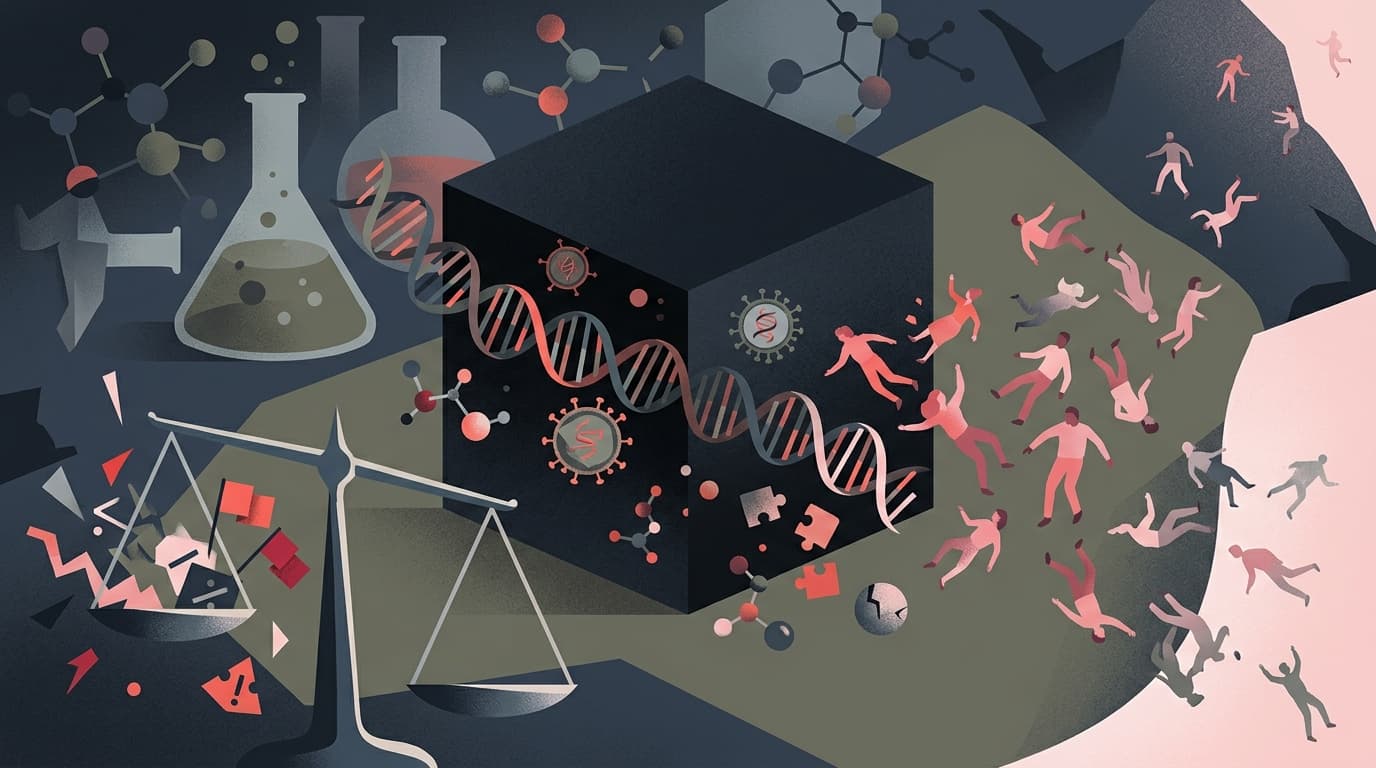

A tiny California biotech just published Lancet data showing its CAR-T therapy worked in patients who'd already failed the standard CAR-T approach. Nine patients, seven complete responses, zero relapses so far. The catch? It's Phase 1, and nine patients is barely a dataset.
Imagine you're playing your final extra life in a video game, and it doesn't work. That's roughly the situation facing thousands of lymphoma patients who relapse after CAR-T therapy, the treatment that was supposed to be the nuclear option. About 30% to 60% of patients eventually relapse after CD19 CAR-T, and when they do, the outlook is grim: median overall survival can be as short as 5.7 months.
A small California biotech called PeproMene Bio just published data in The Lancet suggesting it might have a way to give those patients another shot.
The company's Phase 1 trial tested PMB-CT01, a new type of CAR-T cell therapy, in nine patients with relapsed or refractory B-cell lymphoma. Seven of those nine patients (that's an 80% complete response rate) saw their cancers fully disappear. All of those complete responses were still holding at the time the data was collected, with zero relapses. The longest one had been going strong for 35 months.
But the number that really matters? Four of those nine patients had already tried and failed CD19 CAR-T, the current standard. If you're keeping score, that's a therapy working in a population where almost nothing else does.
On the safety side, the results were surprisingly clean. All cases of cytokine release syndrome (CRS), the inflammatory reaction that makes CAR-T treatments risky, were limited to Grade 1, the mildest form. Same story for neurotoxicity. For context, approved CAR-T products sometimes cause severe, even life-threatening versions of these side effects.
To understand why this matters, you need to know how cancer cheats.
Most CAR-T therapies on the market chase a protein called CD19 on the surface of cancerous B cells. Think of CD19 as a nametag the cancer cell wears. The engineered T cells are trained to read that nametag and attack. The problem: cancer cells are excellent at ripping off their nametags. Up to 10% to 20% of relapses after CAR-T involve tumors that have gone , making them invisible to the therapy designed to kill them.

Takeda's oveporexton just swept every endpoint in two Phase 3 narcolepsy trials by replacing the brain signal that's actually missing. It's the first time anyone has proven orexin receptor agonism works in late-stage testing, and it could reshape how we think about sleep disorders.


Join thousands of biotech professionals who start their day with our free, daily briefing.
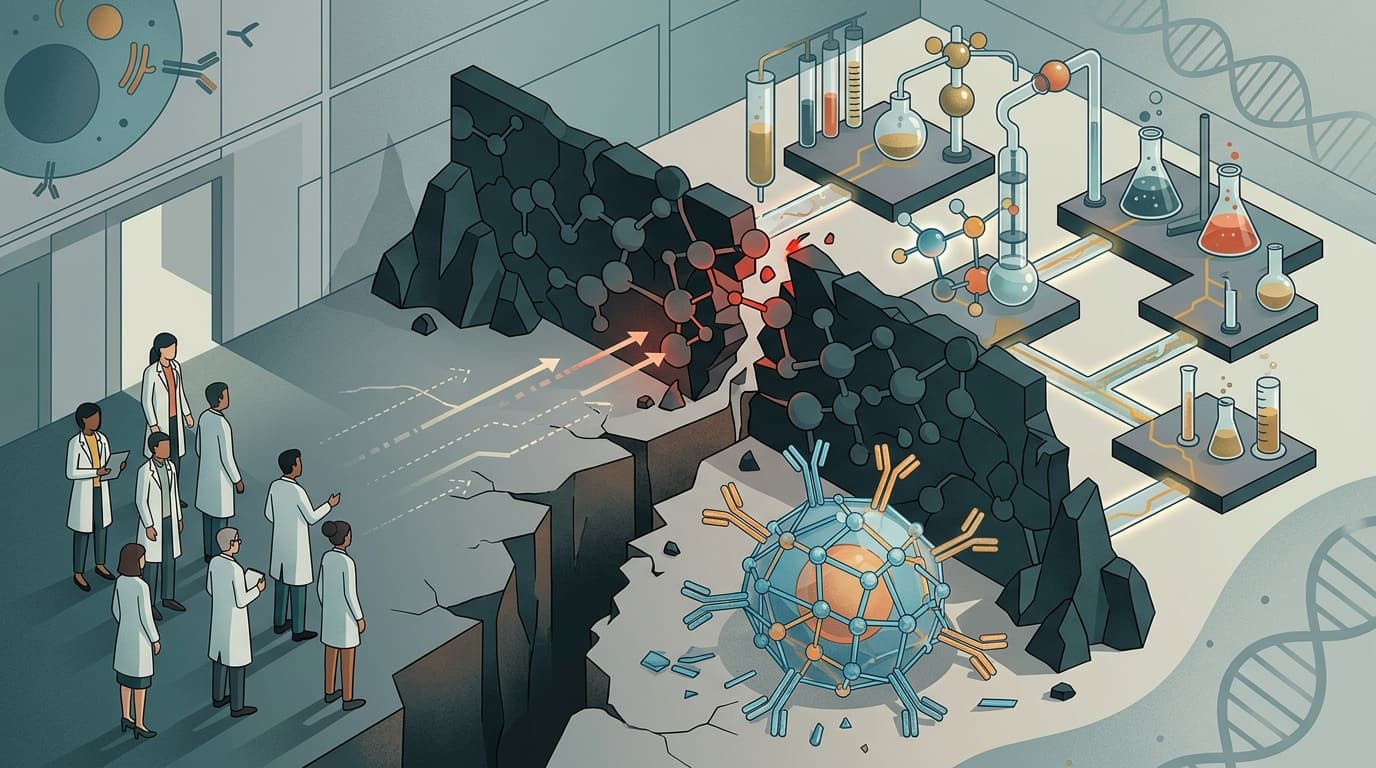
PMB-CT01 reads a completely different nametag: BAFF-R (B-cell activating factor receptor). It's a protein found almost exclusively on B cells, and it plays a key role in keeping those cells alive. By switching targets, PeproMene sidesteps the most common escape route cancer uses to dodge CD19-directed treatments. It's like changing the locks after a burglar already copied your keys.
PeproMene Bio isn't exactly a garage startup, though it is small. Founded around 2016 in Irvine, California, the company licensed its core BAFF-R technology from City of Hope in 2017. The antibody at the heart of PMB-CT01 was discovered in the lab of Dr. Larry Kwak, who did foundational work at MD Anderson Cancer Center and City of Hope. Kwak serves as the company's scientific founder.
Funding has been modest by biotech standards: roughly $44 million to $52 million raised in total, including a $40.2 million Series B in 2018 and an $11 million investment in December 2024 from the Institute for Follicular Lymphoma Innovation. That's not Moderna money, but it's enough to get through early clinical work.
Let's be honest about the limitations. Nine patients is a cocktail napkin-sized dataset. Phase 1 trials are designed to test safety and find the right dose; they're not built to prove a drug works. An 80% complete response rate looks phenomenal, but small sample sizes can produce numbers that don't hold up at scale. We've all seen promising Phase 1 data melt away in larger trials.
The durability signal (35 months and counting for the longest responder) is genuinely exciting, but this needs confirmation in a randomized, controlled setting with hundreds of patients, not single digits.
PeproMene isn't the only company trying to rescue patients after CAR-T failure. Bispecific antibodies like epcoritamab and glofitamab have emerged as the go-to salvage options, with overall response rates around 43% in post-CAR-T patients. Polatuzumab vedotin, an antibody-drug conjugate, has also shown activity in this setting. Even radiation can work for localized relapses.
But those therapies rarely produce durable complete responses in this population. That's where PMB-CT01's early data stands out. A meta-analysis found that non-CD19 CAR-T approaches had the highest response rates among salvage options, with an 80% overall response rate and 56% complete response rate in selected trials. PeproMene's numbers fit right into that sweet spot.
The real question is whether a second CAR-T infusion (with all its manufacturing complexity and cost) can compete practically against off-the-shelf bispecifics that a doctor can order and administer the same week.
PeproMene needs to do three things to turn this from a promising headline into a viable therapy. First, run a larger trial. Second, prove the durability holds beyond a handful of patients. Third, figure out the commercial path for a small company with limited resources.
Publishing in The Lancet was a smart credibility move; it signals the data passed rigorous peer review. But for the patients running out of options after CAR-T failure, the clock is ticking. The 1-year overall survival rate after CAR-T relapse sits at a brutal 21% in some studies.
For those patients, a therapy that targets a different lock on the same door isn't just interesting science. It might be the only door left.
Sarepta hit its Duchenne gene therapy Elevidys with the FDA's most serious safety warning after fatal liver failures, then cut 36% of its workforce in the same week. It's the biggest crisis yet for one of gene therapy's most prominent companies.