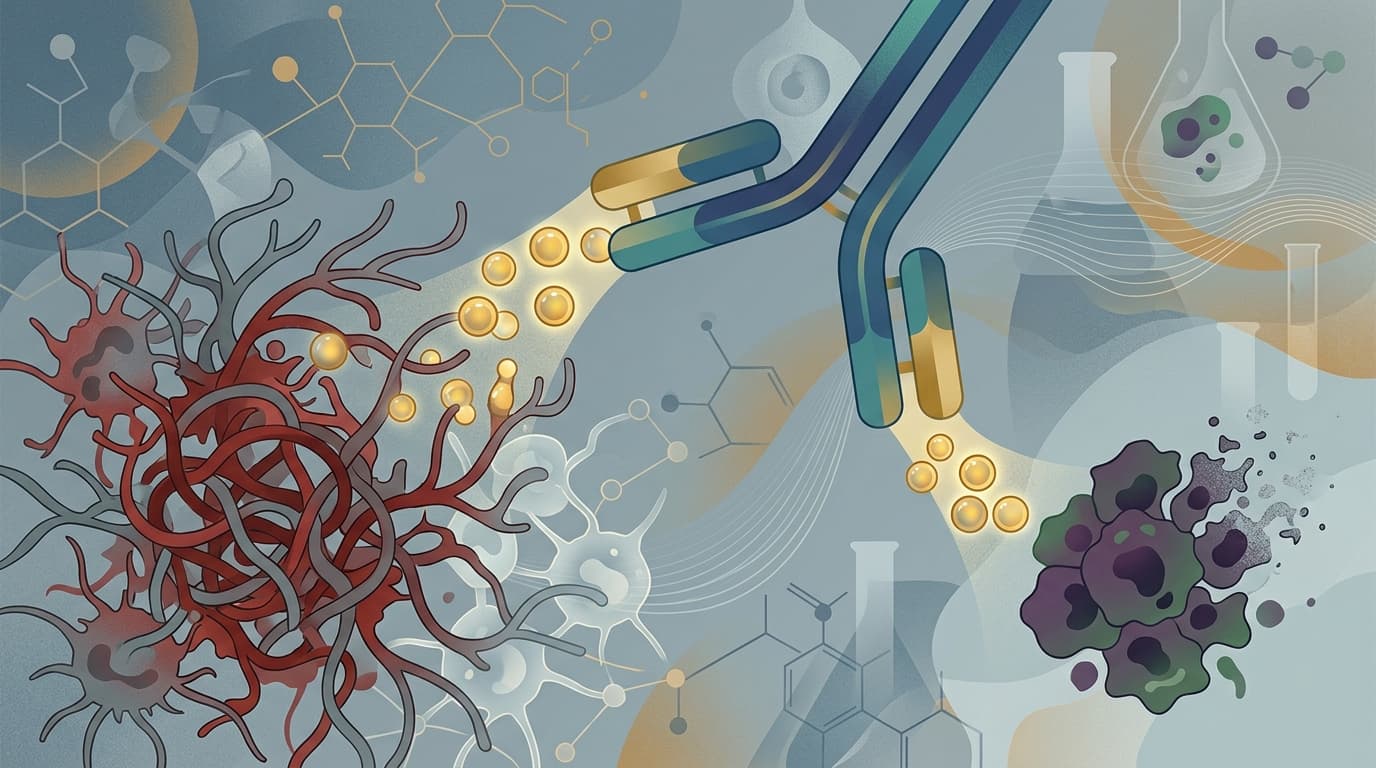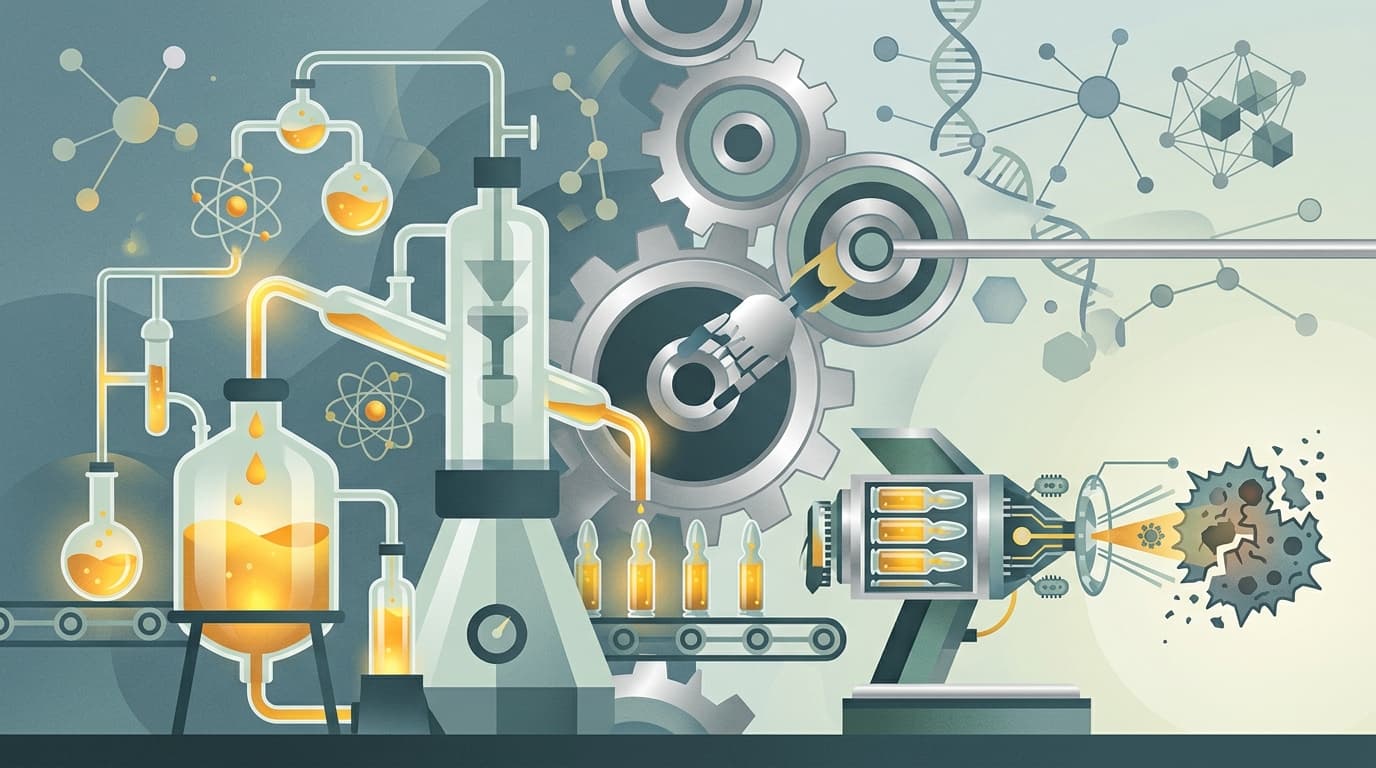

Telix Pharmaceuticals is spending up to $2.35 billion to acquire ITM Isotope Technologies Munich, one of the world's leading producers of the medical isotopes that power cancer-targeting radiopharmaceuticals. In a sector where supply chains are fragile and consolidation is accelerating, this might be the most important defensive move in oncology this year.
Imagine building the world's best fleet of nuclear submarines, then realizing you don't control the uranium. That's basically the situation facing every radiopharmaceutical company on the planet right now. The drugs are revolutionary. The supply chains are terrifyingly fragile.
Telix Pharmaceuticals just decided it's done playing that game. The Australian radiopharma company announced it will acquire ITM Isotope Technologies Munich for up to $2.35 billion, scooping up one of the world's most important producers of the medical isotopes that power a new generation of cancer treatments. It's the biotech equivalent of an electric car company buying a lithium mine.
And frankly, it might be the smartest defensive move in oncology this year.
The deal breaks down like this: $1.65 billion upfront, plus up to $700 million in milestone payments tied to regulatory approvals and sales targets for ITM's lead therapeutic candidate, ITM-11.
But "upfront" doesn't mean Telix is writing a check. The bulk of the consideration, about $1.25 billion, comes in the form of Telix shares (105.8 million of them, valued at $11.84 per share at signing). Telix also assumes roughly $302 million in ITM's net debt and covers $96 million in management equity rollover and transaction costs.
The milestone payments have a clear structure: up to $250 million linked to FDA approvals across three indications, and up to $450 million based on ITM-11's sales performance. In other words, the sellers only get the full $2.35 billion if the drugs actually work and sell.
To understand why this deal matters, you need to understand the bottleneck choking the entire radiopharmaceutical industry.
Radiopharmaceuticals are drugs that deliver targeted radiation directly to cancer cells. They need specific medical isotopes as their active ingredient, particularly and . These isotopes aren't sitting on shelves at Costco. They require specialized nuclear reactors, enriched feedstock materials, and tightly coordinated logistics because they literally decay while you're shipping them. Lutetium-177 has a half-life of about 6.7 days; every hour of delay reduces your usable product.

AstraZeneca's gene-silencing drug Wainua just failed its biggest cardiac trial at ESC 2026, despite crushing it in nerve disease. The surprise flop reshapes the ATTR-CM competitive landscape and raises uncomfortable questions about whether "more suppression" actually means better outcomes.


Join thousands of biotech professionals who start their day with our free, daily briefing.
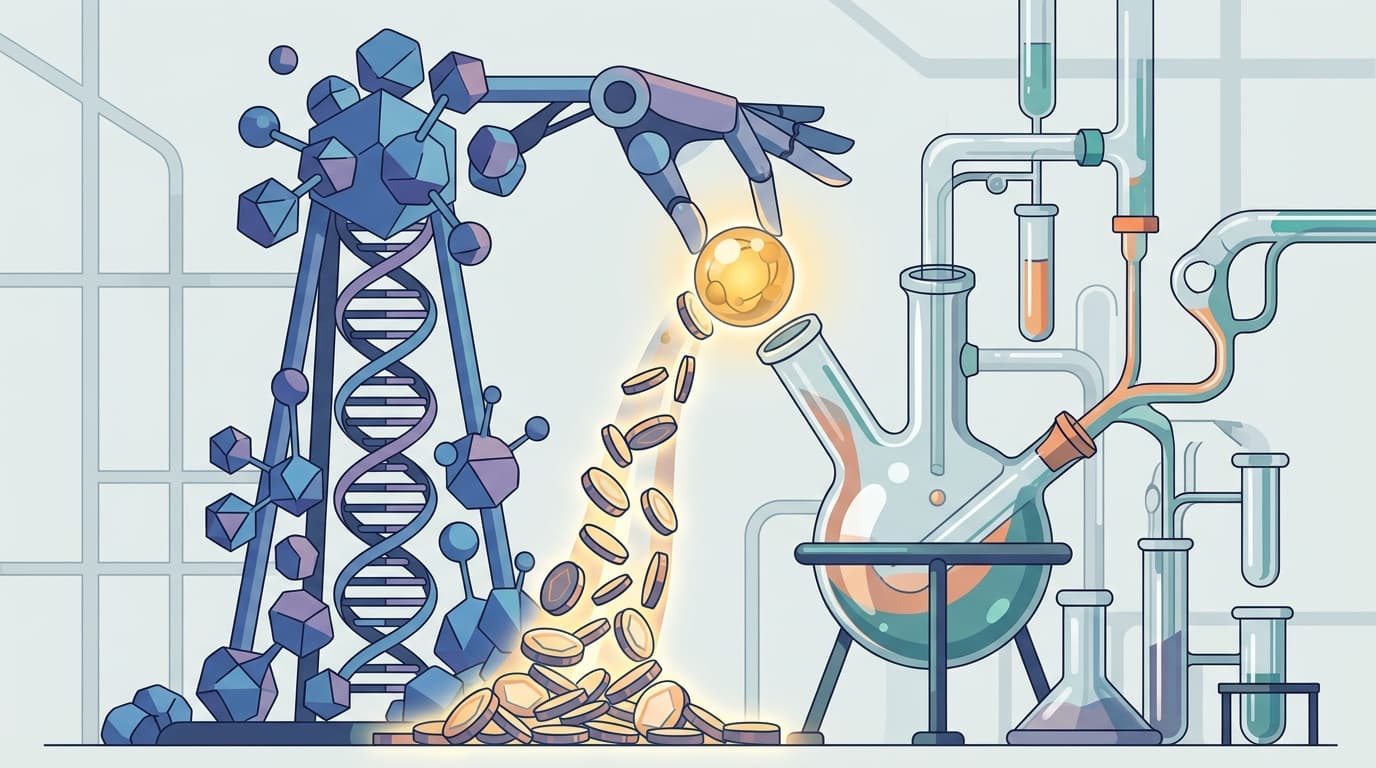
The production bottlenecks are stacked like pancakes. Lutetium-177 depends on enriched ytterbium-176, which historically came largely from Russia (yes, that geopolitical risk). Only a handful of reactors worldwide can produce high-quality material. Trained radiochemistry staff and specialized processing facilities are in short supply. And the regulatory requirements for transporting radioactive materials across borders add yet another layer of friction.
Actinium-225 is even scarcer, with commercial-scale supply still limited to a few specialized production pathways.
This isn't a temporary crunch. Demand for these isotopes is growing far faster than production capacity. If you're a radiopharma company without your own isotope supply, you're essentially hoping your supplier doesn't have a bad quarter.
Founded in 2004 near Munich, ITM has quietly built itself into one of the world's leading producers of therapeutic radioisotopes. The company operates two GMP manufacturing sites in the Munich area (Garching and Neufahrn bei Freising), plus a U.S. presence in Princeton, New Jersey. It distributes isotopes to more than 65 countries.
ITM pulled in $273 million in revenue in 2025, a figure that reflects serious industrial-scale operations. It produces lutetium-177 and actinium-225, covering the isotope classes that matter most for the next wave of cancer treatments.
For Telix, this acquisition isn't just about securing supply. It's about vertical integration: controlling the raw materials, the manufacturing, the distribution, and the commercialization of radiopharmaceuticals under one roof.
Telix isn't making this move in a vacuum. The radiopharmaceutical sector has been consolidating rapidly, and the pattern is unmistakable: big players are racing to lock down every link in the supply chain.
Novartis got there first, spending roughly $3.9 billion on Advanced Accelerator Applications in 2017 and $2.1 billion on Endocyte in 2018, which gave it Pluvicto and Lutathera plus the manufacturing infrastructure to produce at least 250,000 doses annually. Eli Lilly grabbed POINT Biopharma for $1.4 billion in late 2023. Bristol Myers Squibb acquired RayzeBio for approximately $4.1 billion in gross equity value, with the deal closing in early 2024.
Notice the escalating price tags. Each deal gets more expensive because the available assets keep shrinking. Telix's CEO framed the ITM acquisition as positioning the company "at the forefront of the consolidation that is occurring as the industry matures." That's corporate-speak, sure, but the math backs it up.
Analysts are mostly onboard with the strategy, though opinions diverge on the near-term pain.
Bell Potter called the deal a source of "unparalleled exposure" to therapeutic isotope supply chains, noting that ITM's isotope margins are well above Telix's existing manufacturing margins. William Blair praised the complementary fit between ITM's reactor technology and Telix's cyclotron capabilities. RBC upgraded Telix to Outperform, arguing the market had mispriced the deal's long-term value.
The bears? Wedbush flagged a potential technical overhang from the large share component flooding the market with new stock. And the initial selloff after the announcement confirmed that investors were nervous about dilution, even if they agreed with the logic.
This tension is worth watching. Telix reported $477 million in group revenue for the first half of 2026, driven largely by its prostate cancer imaging product Illuccix (now available in 22 countries). The company isn't a startup betting the farm on a dream; it has real commercial revenue and a pivotal-stage pipeline spanning prostate cancer, kidney cancer, and glioblastoma. But absorbing a $2.35 billion acquisition while still scaling its therapeutic programs will test management's ability to execute on multiple fronts simultaneously.
Radiopharmaceuticals are one of oncology's most exciting frontiers. They also have one of its most vulnerable supply chains. In a market where reactor outages can create global shortages and a single country's geopolitical instability can disrupt feedstock, owning your own isotope production isn't a luxury. It's a survival strategy.
Telix just bought itself insurance against the one risk that could derail the entire sector. Whether the price was right depends on what ITM-11 delivers in the clinic and how smoothly Telix integrates a complex, capital-intensive manufacturing operation. But the strategic logic? It's hard to argue with buying the fuel when everyone else is still renting it.
Adicet Bio's off-the-shelf CAR-T therapy, originally built for cancer, just produced durable lupus remissions in a Phase 1 trial. The results could validate the "immune reset" approach and upend decades of chronic immunosuppression.