
Roche just inked a deal worth up to $1.53 billion for a trispecific antibody that hasn't even entered human trials yet. The drug grabs three targets at once, the partner is a Chinese biotech with a growing reputation, and the implications for both oncology and autoimmune disease are massive.
Most drugs that haven't been tested in humans aren't worth $1.5 billion. Roche apparently disagrees.
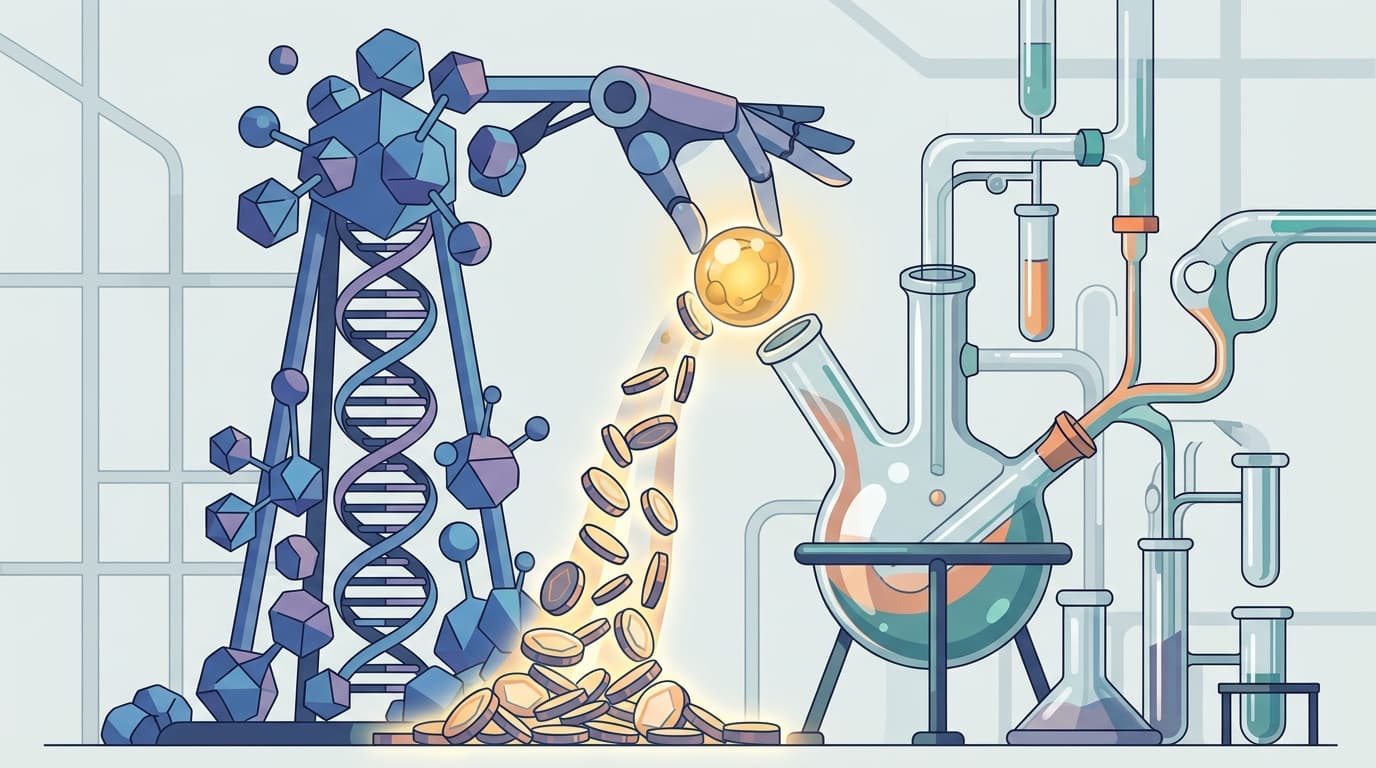
The Swiss pharma giant just signed an exclusive global license with Simcere Zaiming, a Chinese biotech subsidiary, for a preclinical trispecific antibody called SIM0660. The deal is worth up to $1.53 billion in total payments, including a $75 million upfront check and $1.455 billion in development, regulatory, and commercial milestones. Simcere also gets tiered double-digit royalties on future net sales.
To be clear: this drug has never entered a human body. No Phase 1 trial. No safety data. No efficacy signal. And Roche is writing a nine-figure check just to get started.
So what exactly does SIM0660 do that's worth that kind of money?
Imagine your immune system's T cells as bouncers at a nightclub. Normally, they need someone to point out who doesn't belong. Traditional bispecific antibodies (drugs that grab onto two different targets at once) work like a friend tapping the bouncer on the shoulder and pointing at one troublemaker.
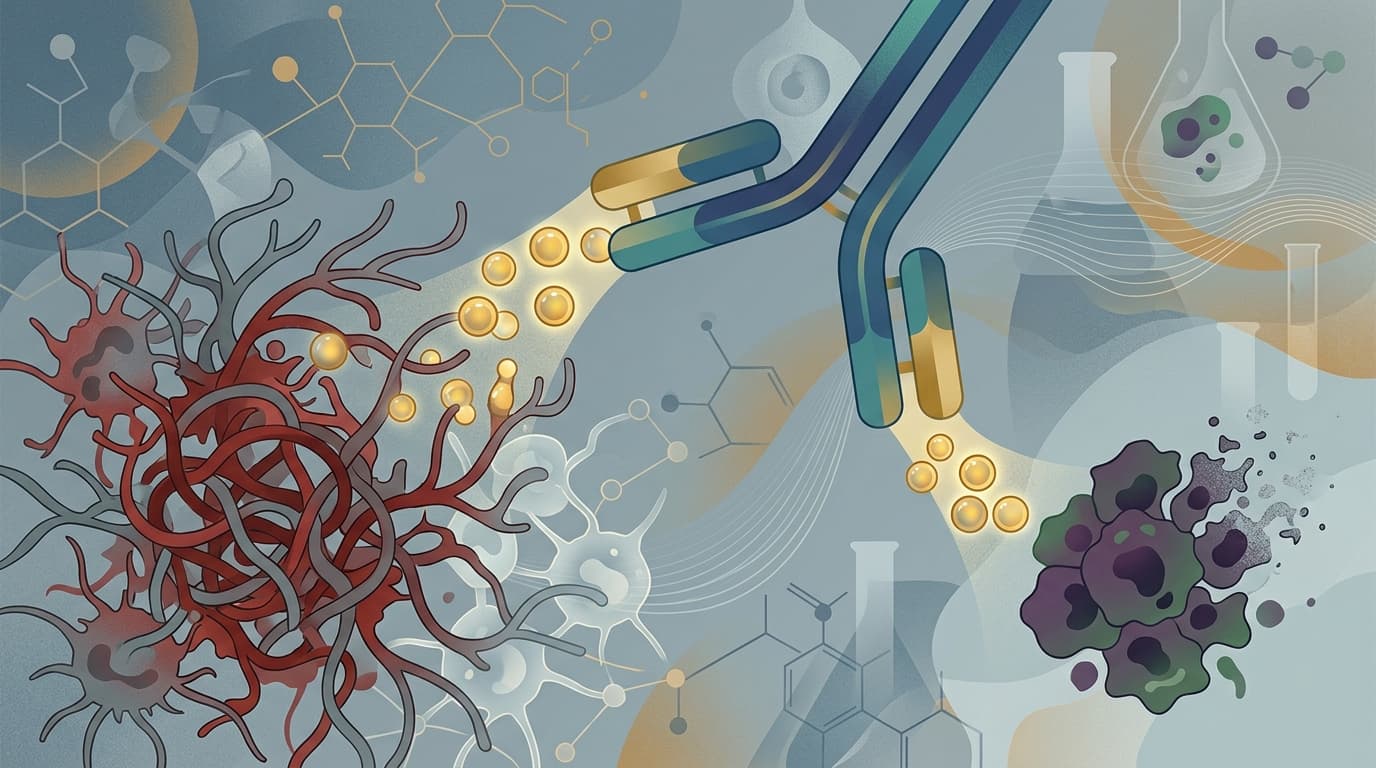
SIM0660 is a trispecific antibody, meaning it grabs three targets simultaneously: CD3 on T cells, plus CD19 and CD79a on B cells. It's like giving the bouncer two descriptions of the same troublemaker instead of one. If the person changes their hat (loses one surface marker), the bouncer can still identify them by their jacket.
This dual B-cell targeting approach is designed to solve a real problem called antigen escape, where cancer cells or disease-causing B cells dodge therapy by shedding the protein that a drug is looking for. By latching onto two B-cell markers at once, SIM0660 makes it harder for rogue cells to slip away.
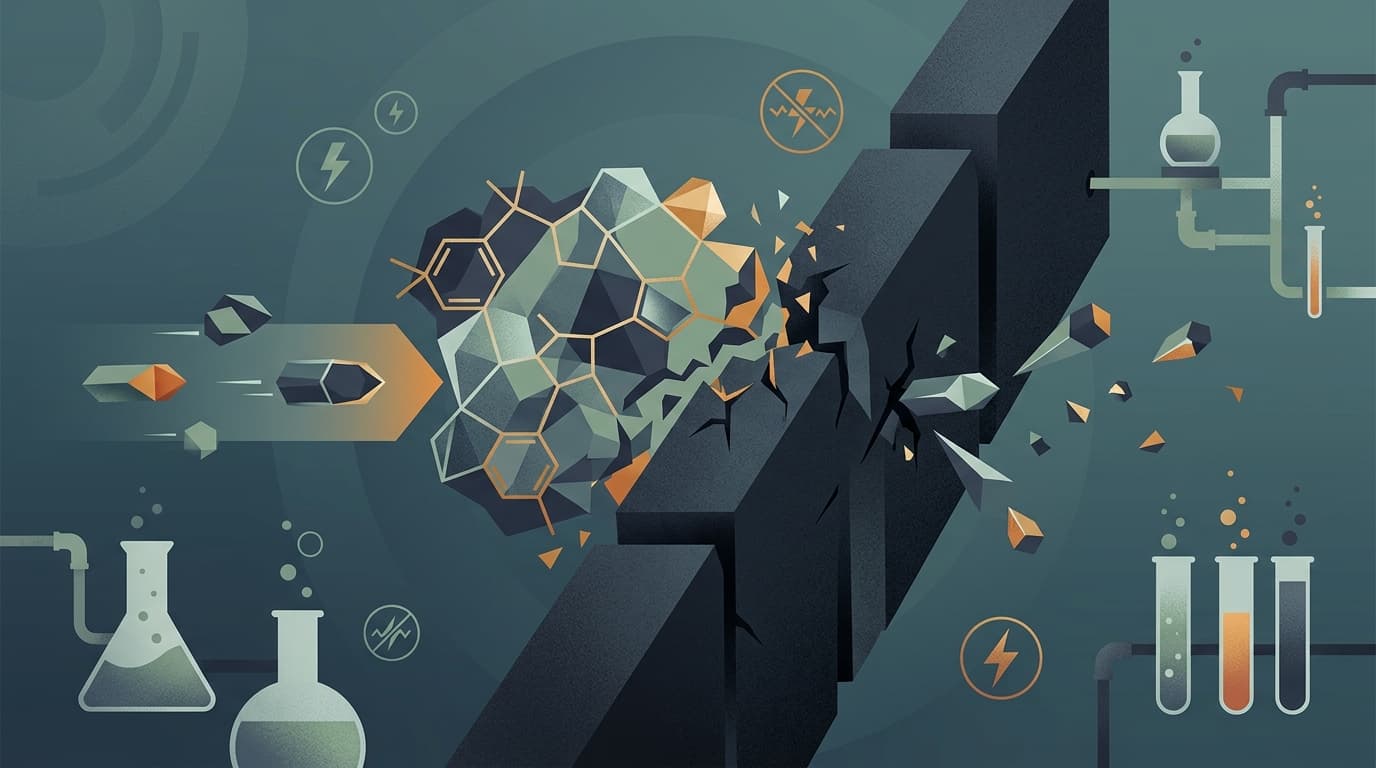
The drug also uses a low-affinity CD3 binding design. In plain English, it grabs T cells gently rather than with a death grip. That's important because aggressive T-cell activation can trigger cytokine release syndrome, a dangerous inflammatory overreaction that has plagued other T-cell engagers. Simcere's platform tries to thread the needle: strong enough to kill, gentle enough not to cause a storm.

AstraZeneca's gene-silencing drug Wainua just failed its biggest cardiac trial at ESC 2026, despite crushing it in nerve disease. The surprise flop reshapes the ATTR-CM competitive landscape and raises uncomfortable questions about whether "more suppression" actually means better outcomes.


Join thousands of biotech professionals who start their day with our free, daily briefing.
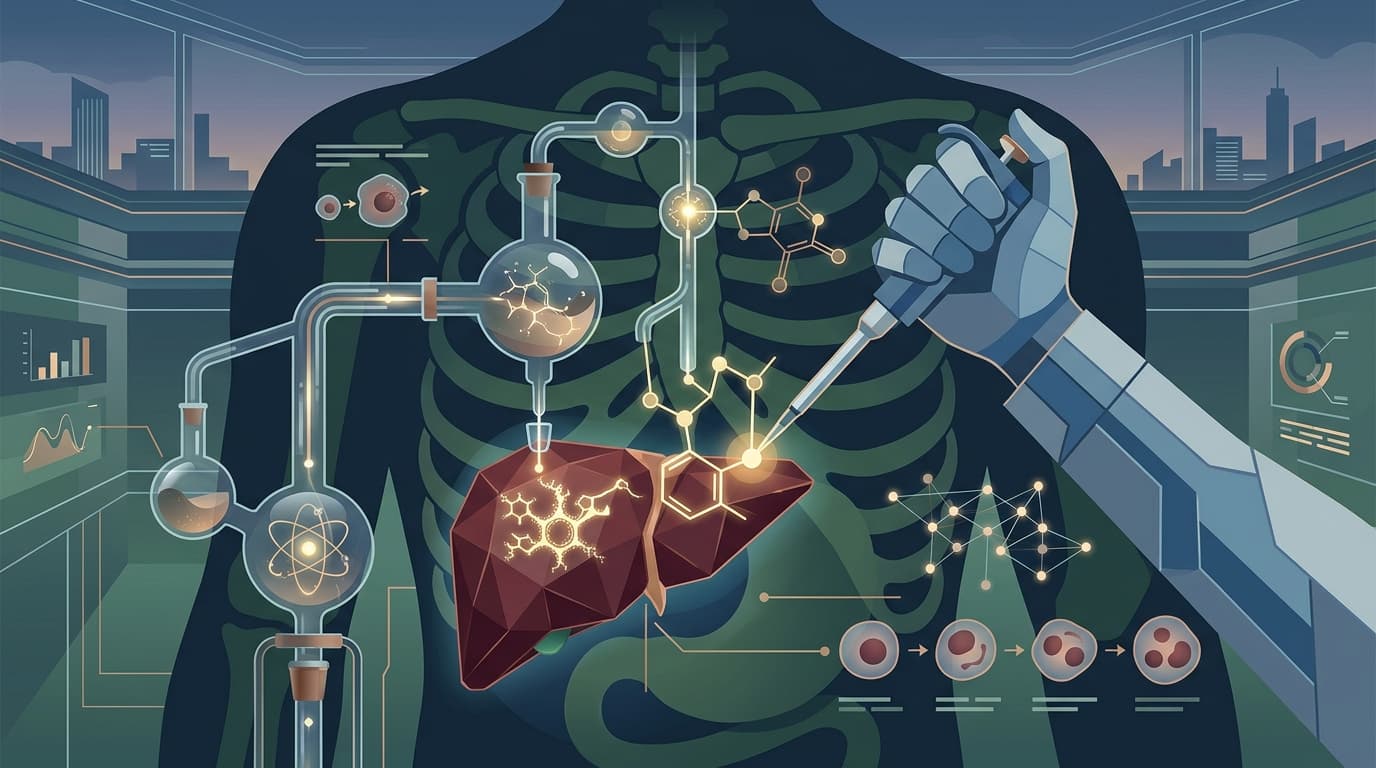
Roche hasn't been sitting still in the multispecific antibody space, but its recent strategy has been more pruning than planting. Over 2024 and 2025, the company culled early-stage assets that didn't meet its differentiation bar while making selective external bets. It acquired Poseida Therapeutics for allogeneic CAR-T technology and partnered with Dualitas Therapeutics in 2026 to screen over 300,000 bispecific combinations for immunology diseases.
The SIM0660 deal fits this pattern perfectly. Rather than building a trispecific from scratch (expensive, slow, uncertain), Roche is licensing a preclinical asset from a company that's already done the platform engineering. The $75 million upfront is modest by Big Pharma standards; the real financial commitment only kicks in if the drug actually works.
What makes this deal strategically interesting is the dual indication potential. SIM0660 isn't just aimed at B-cell cancers like lymphoma. It's also being developed for B-cell-mediated autoimmune diseases, a category that includes conditions like lupus and rheumatoid arthritis. That gives Roche two shots on goal with a single molecule, spanning both its oncology and immunology franchises.
This deal is part of a tidal wave that's been building for years. Cross-border licensing deals from Greater China hit record levels in 2025, more than doubling the prior year's $51.9 billion across 94 deals. Chinese-origin assets accounted for roughly one-third of global licensing spend last year.
The pattern is clear: Chinese biotechs are no longer the discount aisle of global drug development. Companies like Simcere Zaiming have built sophisticated antibody engineering platforms, and Western pharma is paying real money for the output. The majority of the top ten R&D licensing deals in 2025 involved China-based companies, according to industry analyses.
Simcere Zaiming itself is the oncology-focused arm of Simcere Pharmaceutical Group, spun out as a dedicated innovation company. Its pipeline sits on three internal technology platforms: T-cell engager multispecific antibodies, antibody-drug conjugates (ADCs), and degraders. SIM0660 isn't a one-off; it comes from an established discovery engine that also produced SIM0500, a trispecific targeting GPRC5D/BCMA/CD3 for multiple myeloma.
U.S. policymakers have been eyeing these cross-border flows with increasing scrutiny, but so far the economic logic has proven stronger than the political headwinds. By late 2026, reports suggested that proposed regulations would preserve most China pharma licensing deals rather than restrict them broadly.
SIM0660 isn't entering an empty field. The trispecific antibody landscape in 2026 is buzzing, especially in hematologic cancers. Programs like JNJ-5322 and IBI3003 (both targeting GPRC5D/BCMA/CD3) are generating clinical data in multiple myeloma. ISB 2001, a BCMA/CD38/CD3 trispecific, has shown encouraging early results with manageable side effects in Phase 1.
But SIM0660's CD79a/CD19/CD3 combination targets a different slice of the market. Most competitors focus on myeloma; SIM0660 is aimed at broader B-cell diseases, including both malignancies and autoimmune conditions. The autoimmune angle is particularly compelling because that space is earlier and less crowded, though the safety bar is higher (you can tolerate more side effects in cancer than in lupus).
The key design questions still loom large. Can the low-affinity CD3 approach really control cytokine release while maintaining efficacy? Does dual B-cell targeting actually prevent antigen escape better than single-target approaches? These are the billion-dollar questions, literally.
Roche is placing a calculated bet: small money now, big money later, but only if the science delivers. The $75 million upfront is essentially a reservation fee on a drug that could address both cancer and autoimmune disease with a single mechanism. The remaining $1.455 billion in milestones means Simcere Zaiming only gets paid as the drug proves itself.
For Roche, the risk is manageable. For Simcere, the validation is enormous. And for the broader industry, this deal is another data point confirming that China's biotech innovation engine has moved from imitation to origination.
Now comes the hard part: getting SIM0660 into humans and seeing if three targets really are better than two.
Adicet Bio's off-the-shelf CAR-T therapy, originally built for cancer, just produced durable lupus remissions in a Phase 1 trial. The results could validate the "immune reset" approach and upend decades of chronic immunosuppression.