
Mirum's brelovitug just hit its Phase 3 endpoint in hepatitis delta, a devastating liver disease that had exactly one approved treatment. With a novel mechanism and a possible 2027 FDA filing, the HDV market is about to get a lot more interesting.
Imagine having a disease that accelerates liver failure, raises your cancer risk, and can kill you, yet most doctors have never tested you for it. That's life with chronic hepatitis delta virus (HDV), a parasitic infection that hijacks hepatitis B to wreak havoc on the liver. Somewhere between 12 million and 72 million people worldwide are thought to carry it, though the true number is anyone's guess because screening is so inconsistent.
Until very recently, there was essentially nothing to offer these patients. Bulevirtide (sold as Hepcludex by Gilead) became the first and only approved HDV therapy, and while it set an important precedent, having a single option for a disease this severe is like having one fire truck for an entire city.
That just changed.
Mirum Pharmaceuticals announced that brelovitug hit its primary endpoint in the Phase 2b portion of the AZURE-1 trial for chronic hepatitis delta. The study enrolled roughly 200 treatment-naïve adults with confirmed HDV infection, elevated liver enzymes, and active viral replication.
The primary endpoint was a composite: patients had to achieve both a virologic response (at least a 100-fold reduction in viral levels, or undetectable virus) and normalized ALT levels (ALT being a key marker of liver inflammation) at 24 weeks. In plain English, the drug needed to crush the virus and calm the liver down at the same time.
Meeting that bar is a big deal. It's the kind of result that supports continued development toward an FDA filing, and Mirum has previously signaled it could submit a biologics license application as early as 2027.
What makes brelovitug interesting isn't just that it works; it's how it works. Bulevirtide, the existing therapy, blocks a receptor called NTCP on liver cells to prevent the virus from getting inside. Think of it as changing the locks on your front door so the burglar can't get in.

AstraZeneca's gene-silencing drug Wainua just failed its biggest cardiac trial at ESC 2026, despite crushing it in nerve disease. The surprise flop reshapes the ATTR-CM competitive landscape and raises uncomfortable questions about whether "more suppression" actually means better outcomes.


Join thousands of biotech professionals who start their day with our free, daily briefing.

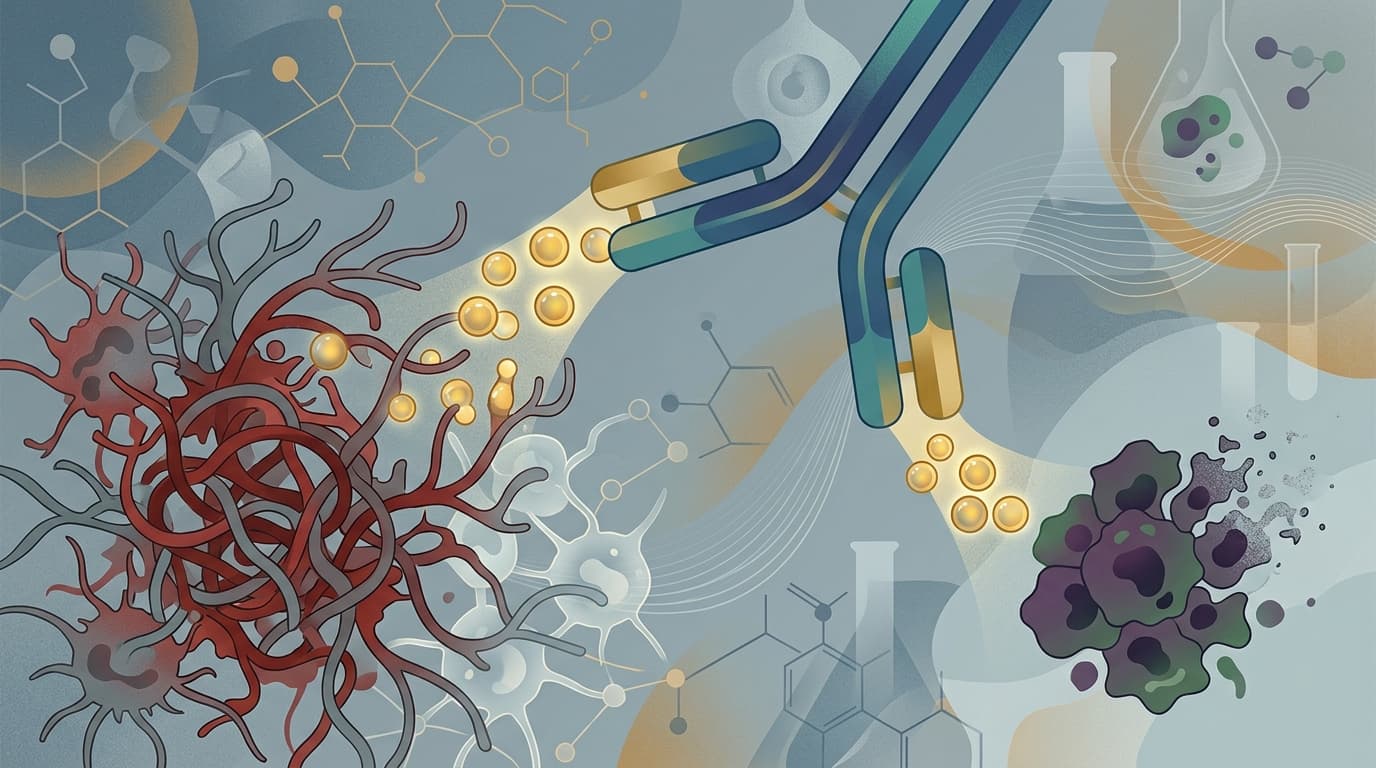
Brelovitug takes a different approach entirely. It's a monoclonal antibody that targets HBsAg, the surface protein that coats both hepatitis B and hepatitis delta particles. By binding to that protein, the antibody neutralizes circulating virus and helps clear out the massive cloud of viral debris floating in the bloodstream. If bulevirtide changes the locks, brelovitug is more like hiring a bounty hunter to round up every intruder already roaming the neighborhood.
There's a clever bonus to this strategy. HDV patients carry an enormous burden of HBsAg in their blood, and that antigen load essentially exhausts the immune system. By clearing it out, brelovitug may help restore the body's own antiviral defenses, a two-for-one that could matter over the long haul.
Investors had reason to be optimistic going into this readout. Mirum's earlier Phase 2b data from the same AZURE-1 trial showed remarkable numbers. In the 300 mg weekly dosing arm, every single patient (100%) achieved a virologic response. ALT normalization hit 45%, and 45% of patients met the full composite endpoint.
The less frequent dosing arm (900 mg once monthly) posted 75% virologic response and 35% on the composite. Meanwhile, patients in the delayed-treatment group scored a flat zero on the composite. That kind of separation between drug and control is the stuff regulatory reviewers love to see.
The market had positioned itself for good news. Mirum shares closed at $73.57 on September 25 and ticked up about 3% in overnight trading ahead of the announcement. Analysts had flagged this readout as the company's biggest near-term catalyst, with at least one firm carrying a $100 price target.
The logic is straightforward. If brelovitug gets approved, Mirum goes from being a small hepatology company to owning a potential blockbuster in a space with almost no competition. A successful BLA submission in 2027 would put commercial launch within sight, and the HDV market is wide open.
Brelovitug isn't the only challenger coming for bulevirtide's throne. Vir Biotechnology is running its own Phase 3 program with a combination of tobevibart and elebsiran, using a dual-mechanism approach that pairs an antibody with RNA interference technology. Vir has even designed a head-to-head study (ECLIPSE 3) directly against bulevirtide, a clear signal that the company is thinking about payer negotiations, not just clinical wins.
Then there's lonafarnib (Jitixib) from EIT Pharma, an oral prenylation inhibitor that could appeal to patients who want a pill instead of an injection. It's reportedly under FDA review. And further back in the pipeline, Johnson & Johnson has an HBV-targeted siRNA (JNJ-73763989) being developed in combination strategies that aim for something closer to a functional cure.
The competitive landscape is shifting from "anything is better than nothing" to genuine differentiation. That's great news for patients and a headache for Gilead, which now has to defend bulevirtide against multiple late-stage challengers with distinct mechanisms.
HDV has been one of medicine's most neglected diseases for decades. It causes the most severe form of viral hepatitis, accelerating cirrhosis and liver cancer faster than hepatitis B or C alone. Yet in many parts of the world, patients aren't even tested for it. The disease disproportionately affects regions with limited healthcare infrastructure, which means millions of people have been suffering in silence.
A second approved therapy wouldn't just give doctors another option. It would validate HDV as a real market, attract more investment, and incentivize the kind of screening programs that could identify patients before their livers give out.
Mirum still needs to release the full Phase 3 dataset, navigate FDA discussions, and execute on a commercial strategy. None of that is guaranteed. But for a disease that went decades without a single approved drug, having a second one knocking on the door feels like progress worth celebrating.
Adicet Bio's off-the-shelf CAR-T therapy, originally built for cancer, just produced durable lupus remissions in a Phase 1 trial. The results could validate the "immune reset" approach and upend decades of chronic immunosuppression.