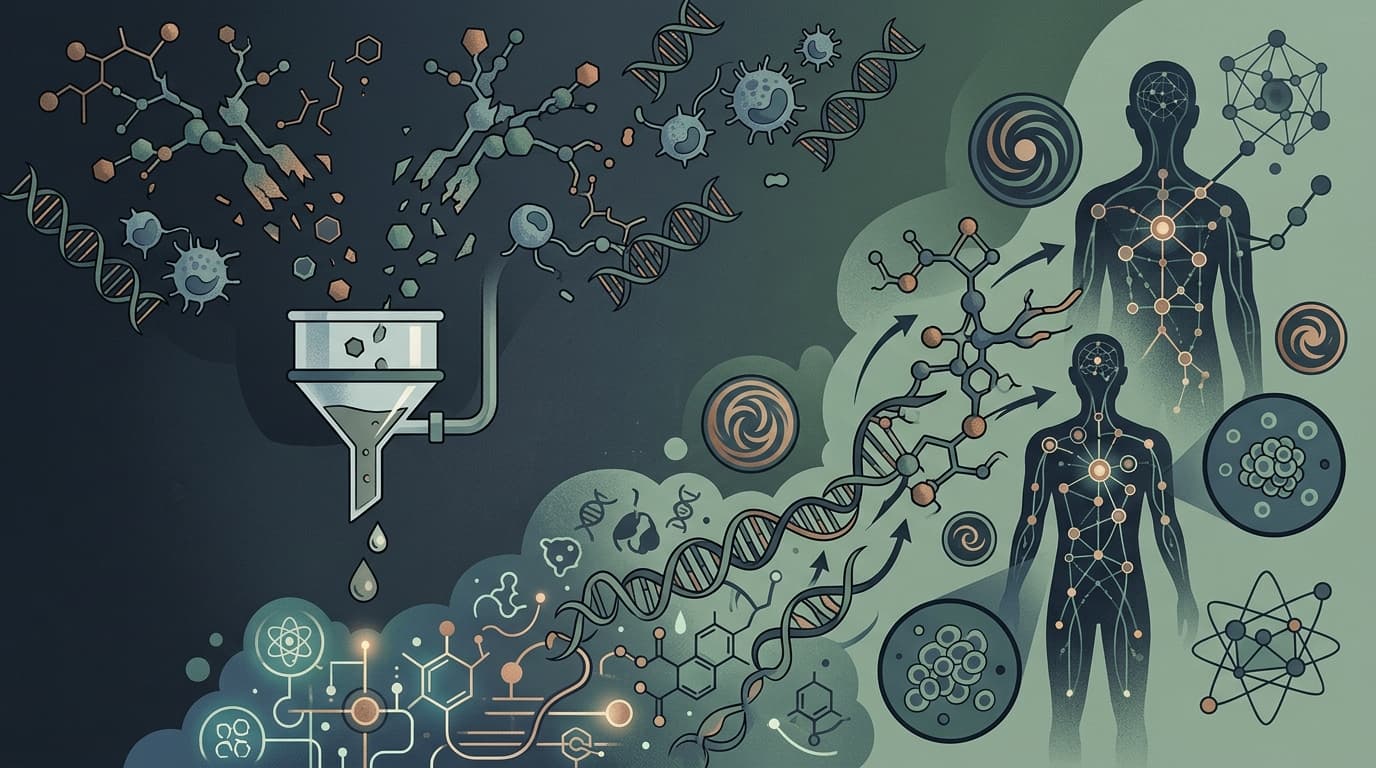

Roche killed its lupus T-cell engager after early data fell short, but immediately doubled down on autoimmune cell therapies through its $1.5 billion Poseida deal. The move reveals a critical tension in the hottest space in biotech: cancer-grade immune weapons might be too blunt for autoimmune disease.
Imagine building a missile designed to take out enemy aircraft, only to discover it also blows up your own runway. That's roughly what happened to Roche's lupus T-cell engager.
The Swiss pharma giant just pulled the plug on RG6382, a bispecific antibody that was supposed to recruit the body's own T cells to destroy the rogue B cells driving lupus. After reviewing early clinical data, Roche concluded the molecule simply "does not have the requisite characteristics to move forward in this indication." The program is dead. Not paused, not shelved: terminated.
But before you call this a retreat, Roche wants you to know it's actually leaning harder into autoimmune cell therapies. Which raises a question worth unpacking: why kill one B-cell weapon and immediately promise to build better ones?
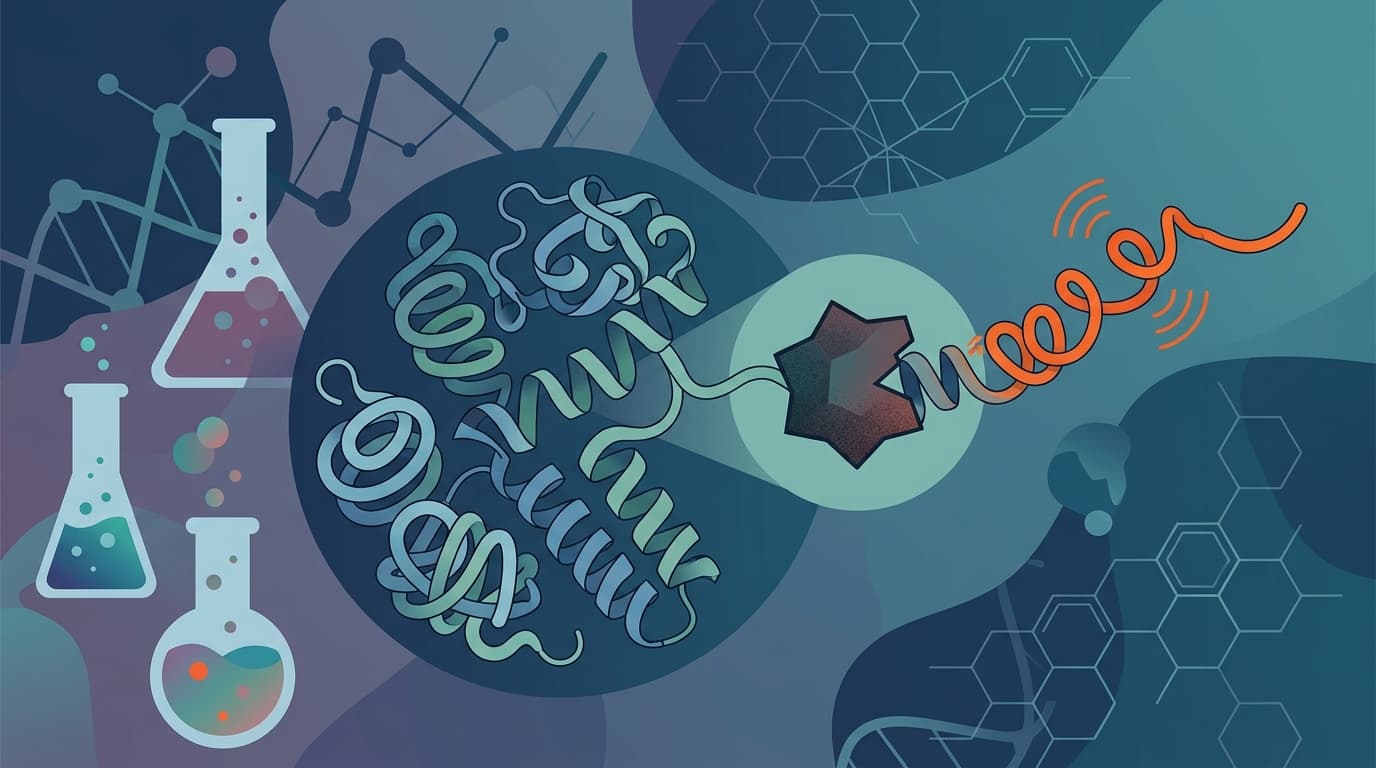
To understand what went wrong, you need to understand what RG6382 was trying to do. T-cell engagers (TCEs) are bispecific antibodies, meaning they grab two things at once. One arm latches onto CD3 on a T cell. The other grabs CD19 on a B cell. Think of it like a molecular bouncer forcing an introduction between a hitman and his target.
In cancer, this works brilliantly. You want maximum violence against tumor cells. But in autoimmune disease, you need something more like a surgical strike. Lupus patients already have haywire immune systems. Unleashing potent T-cell killing in that environment risks cytokine release syndrome (basically an immune firestorm), dangerous infections, and collateral damage to healthy tissue.
Roche's phase 1 trial was open-label and still ongoing when the company reviewed the data and decided to walk away. They didn't cite a specific safety crisis or a regulatory hold. The phrasing was diplomatic but final: the molecule lacked "the requisite characteristics." Translation: the risk-benefit math didn't work.
Because lupus was the only indication for RG6382, the entire molecule goes in the bin. It's part of a broader pipeline cleanup where CEO Thomas Schinecker has been sorting assets into three buckets: accelerate, terminate, or wait for more data. RG6382 landed squarely in bucket two.

Eli Lilly is now selling the highest doses of Zepbound in single-dose vials for $449 per month, roughly 60% cheaper than the standard auto-injector pens. It's a strategic play in a GLP-1 pricing war that's reshaping who can actually afford obesity drugs.


Join thousands of biotech professionals who start their day with our free, daily briefing.
Roche isn't abandoning lupus. Far from it. The company's Gazyva (obinutuzumab), an anti-CD20 antibody, just posted strong phase 3 results in systemic lupus. In the ALLEGORY trial, 76.7% of patients on Gazyva plus standard therapy hit the primary endpoint at one year, compared to 53.5% on placebo. The FDA has already accepted an application for SLE, with a decision expected by December 2026.
Gazyva works by depleting B cells too, but through a different, gentler mechanism. It's a type II anti-CD20 antibody that achieves deeper B-cell depletion than rituximab without redirecting T cells to do the killing. Think of it as draining a pond versus dynamiting a dam; both remove water, but one causes a lot less chaos downstream.
The drug is already approved for lupus nephritis (lupus that attacks the kidneys) and is being tested in a cluster of other immune-mediated kidney diseases. Roche clearly sees Gazyva as the near-term commercial anchor for its autoimmune franchise.
So Roche ditched a T-cell engager. But in almost the same breath, the company confirmed it's still betting on cell therapies for autoimmune disease, specifically through its $1.5 billion acquisition of Poseida Therapeutics.
Poseida's platform includes allogeneic (off-the-shelf) CAR-T cells that target both CD19 and BCMA. These engineered cells can hunt down B cells and the long-lived plasma cells that keep producing autoantibodies even after conventional treatment. Teresa Graham, Roche's Pharmaceuticals CEO, confirmed that autoimmune disease "was indeed one of the aspects of the Poseida deal" and that more updates are coming.
The distinction matters. A T-cell engager is like handing a weapon to whatever T cells happen to be nearby: you can't control which ones show up or how aggressively they fight. CAR-T cells are custom-built soldiers with a specific mission and (at least in theory) more predictable behavior. For autoimmune patients who are already immunologically fragile, that difference in precision could be everything.
Roche isn't operating in a vacuum. The autoimmune CAR-T space is getting crowded, and the early results are stunning.
A pooled analysis of 47 lupus patients treated with CD19 CAR-T showed 81% reached low disease activity, with most achieving drug-free remission. These aren't marginal improvements; they look like genuine immune resets, where the disease essentially goes quiet after a single treatment.
Competitors are moving fast. Autolus is running a phase 1 trial of its CD19 CAR-T (obe-cel) in severe lupus, with five of six patients in a lower-dose cohort achieving remission. Gilead acquired Ouro Medicines and its BCMA-targeted T-cell engager OM336, which showed early promising results in autoimmune cytopenias based on initial case reports. Sanofi paid $600 million upfront for a myeloid engager from Dren Bio targeting CD20.
Dual-target approaches are especially intriguing. A clinical series of 13 lupus patients treated with BCMA-CD19 compound CAR-T cells showed medication-free remission lasting up to 46 months. All autoantibodies turned negative within three months.
Roche's decision to kill RG6382 isn't a failure of vision. It's a failure of execution on one specific molecule, and arguably a sign of discipline. The company reviewed early data, didn't like what it saw, and moved on rather than throwing good money after bad.
The broader signal is more interesting. Deploying cancer-grade immune weapons against autoimmune disease is harder than anyone hoped. The therapeutic window (the gap between "enough to help" and "too much, causing harm") is razor-thin. T-cell engagers, which were designed to be maximally lethal in oncology, may simply be too blunt for conditions where the goal is recalibration, not destruction.
But the underlying premise, that deep B-cell depletion can reset the immune system in lupus, is holding up remarkably well. The question isn't whether to pursue this strategy. It's which tool gets the job done without burning the house down.
Roche is betting that engineered cell therapies, not off-the-rack T-cell engagers, are the answer. The next twelve months will tell us if they're right.
The FDA just fast-tracked Pfizer's PARP inhibitor combo for an earlier stage of prostate cancer where no targeted therapy exists. If approved, it could reshape how tens of thousands of men are treated at first diagnosis and give Pfizer a crucial first-mover advantage in a wide-open market.