
Eli Lilly dropped $202 million on a preclinical startup with zero drugs in trials. The reason? A protein that smuggles DNA past your immune system and could make gene therapy repeatable for the first time.
Gene therapy has a dirty secret. We've known how to fix broken genes for years. The part we can't figure out? Getting the fix inside the right cells without the body freaking out.
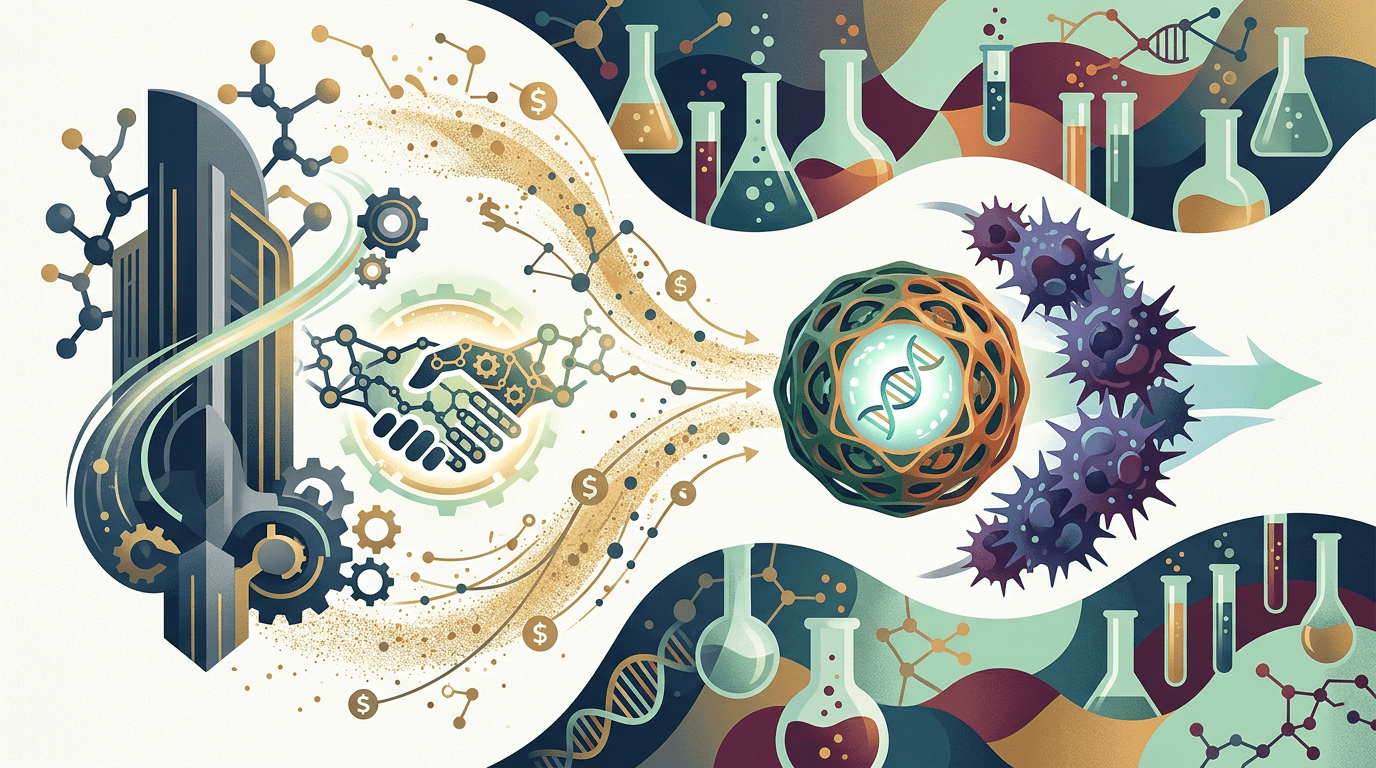
That's why Eli Lilly just paid up to $202 million in cash for a startup called Engage Biologics. The company has no drugs in clinical trials. No revenue. What it does have is a technology called Tethosome that might crack the single biggest bottleneck in genetic medicine: delivery.
Engage Biologics, founded in 2021 and headquartered in San Carlos, California, built something unusual. Its Tethosome platform uses lipid nanoparticles (tiny fat bubbles, basically) to deliver two things at once: a therapeutic DNA strand and an mRNA instruction set that tells the cell to build a special protein.
Once inside the cell, that protein does two jobs. First, it grabs the DNA and carries it into the nucleus, like a molecular Uber driver with a VIP pass. Second, it anchors the DNA there so it keeps producing the therapeutic protein for months or even years.
The clever part: the whole system is designed to be invisible to your immune sensors. Your body has alarm systems that detect foreign DNA floating around in cells. Most non-viral DNA delivery triggers those alarms, causing inflammation and making repeat dosing impossible. Engage claims its Tethosome protein dodges those sensors entirely.
The result, according to Engage's preclinical data, is more than 100-fold greater gene expression compared to standard non-viral DNA delivery. That's the difference between a whisper and a shout.
The deal structure tells you everything about the risk profile. Lilly is paying an undisclosed upfront amount, with the rest of the $202 million tied to development milestones. For a company that's spent over $20 billion on acquisitions since January 2026 alone, this is essentially a rounding error; a lottery ticket with unusually good odds.

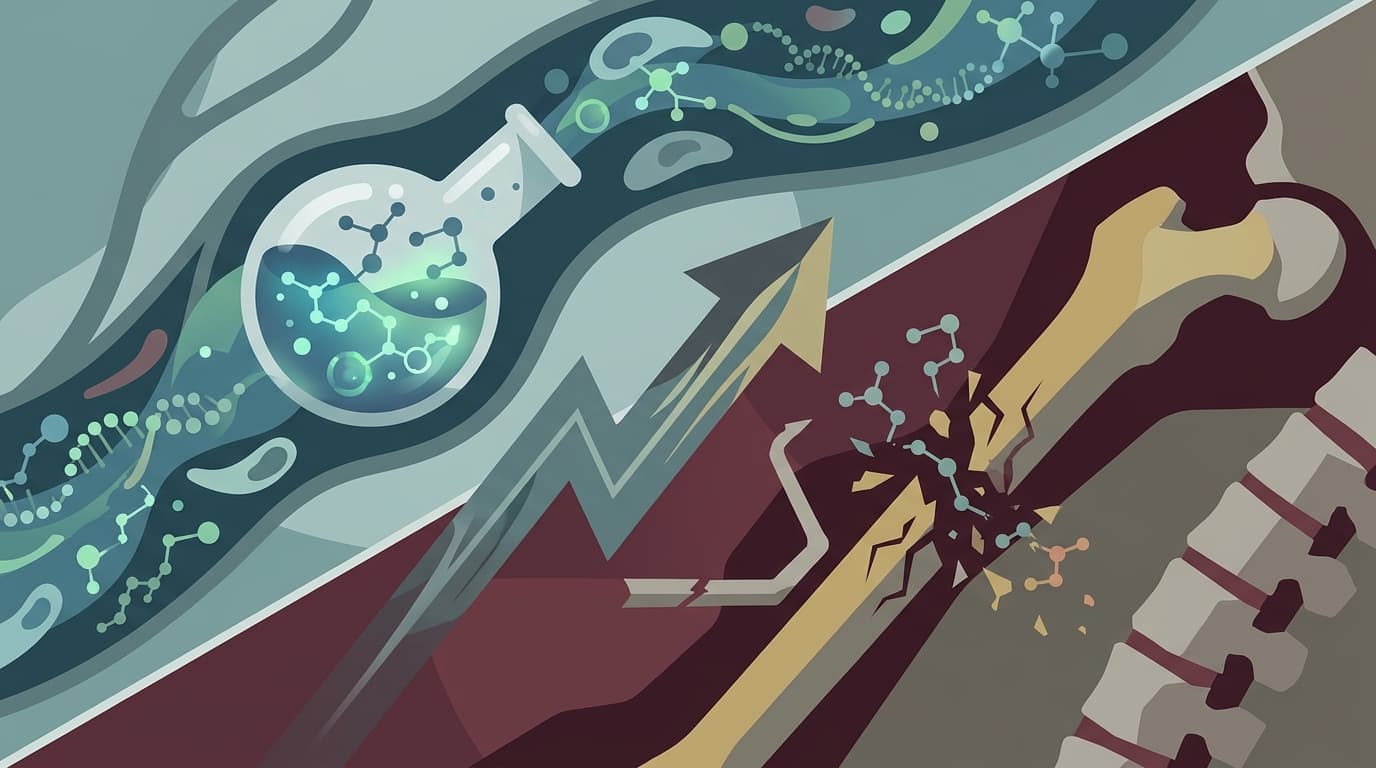
BioMarin closed its $270 million Inozyme acquisition on July 1st. Five days later, the drug failed its key Phase 3 bone-healing endpoint despite hitting its biochemical target. The ultra-rare disease bet just got a lot riskier.


Join thousands of biotech professionals who start their day with our free, daily briefing.

But don't let the modest price fool you. Delivery technology is becoming as valuable as the payload itself in genetic medicine. Think of it this way: you can write the most brilliant letter in history, but if FedEx can't get it to the right address without setting it on fire, it doesn't matter.
Today's dominant delivery system, adeno-associated virus (AAV), has serious limitations. Its cargo capacity maxes out at about 4.7 kilobases of DNA (too small for many therapeutic genes). Pre-existing antibodies against common AAV types exclude 30 to 60 percent of patients from treatment before they even enroll in a trial. And once you give someone AAV, you generally can't dose them again because their immune system remembers it.
Engage's non-viral approach sidesteps all three problems: bigger cargo capacity, no pre-existing antibodies, and the potential for repeat dosing.
This isn't a one-off deal. It's the latest in a systematic acquisition spree designed to assemble every piece of the genetic medicine puzzle.
Consider what Lilly has bought or partnered on in the past two years: Kelonia Therapeutics (in vivo gene delivery, up to $7 billion), Orna Therapeutics (circular RNA, $2.4 billion), Verve Therapeutics (gene editing for heart disease, up to $1.3 billion), and a research collaboration and licensing deal with Ascidian Therapeutics (RNA editing, up to $1.9 billion). Add partnerships with Seamless Therapeutics for gene editing in hearing loss and SanegeneBio for tissue-selective RNAi delivery.
Lilly also built a $700 million genetic medicine hub in Boston to centralize all of this work.
The pattern is unmistakable. Lilly is using its GLP-1 cash machine (Zepbound and Mounjaro) to finance a completely new therapeutic franchise. If obesity drugs are the present, genetic medicine is the future they're buying.
Let's be honest about the risk. Engage is preclinical. Its work so far has focused on liver-targeted delivery in models of hemophilia A and hepatocellular carcinoma (liver cancer). The >100-fold expression improvement and immune evasion properties look promising in animal studies, but "promising in animals" is a phrase that has broken many hearts in biotech.
The technology still needs to prove it works in humans: that it's safe enough for repeat dosing, durable enough to matter clinically, and manufacturable at commercial scale. Those questions will take years to answer.
Engage's co-founder and CEO, Will Olsen, said Lilly has "unmatched speed" and a "forward-thinking approach to genetic medicine." He and the Engage team are transitioning to Lilly, which signals this is a people-and-platform acquisition, not just an IP grab.
Lilly isn't alone in this race. Generation Bio is working on capsid-like particles as non-viral alternatives. Evox Therapeutics is pursuing exosome-based delivery. Beam Therapeutics uses LNPs for in vivo base editing. CRISPR Therapeutics and Intellia are exploring polymeric systems to reach tissues beyond the liver.
The common thread: everyone agrees that delivery is the rate-limiting step for genetic medicine to reach its potential. The company that solves targeted, safe, repeatable delivery to multiple tissue types will own the infrastructure layer of an entirely new therapeutic category.
Lilly is betting that owning multiple delivery platforms (viral via Kelonia, non-viral via Engage, RNA-based via Orna) gives it the best shot at covering every possible use case. It's a portfolio approach to a problem that might not have a single solution.
For $202 million, Lilly bought an option on a technology that could make gene therapy as repeatable and scalable as giving someone a pill. That's a massive "if," but it's the right kind of bet for a company with approximately $36.5 billion in annual GLP-1 revenue looking for what comes next.
The Tethosome platform is clever biology: a protein smuggler that sneaks DNA past your body's defenses and pins it to the nucleus. Whether clever biology translates into actual medicine remains the trillion-dollar question for the entire field. But if anyone has the resources to find out, it's the company that turned a diabetes drug into a cultural phenomenon.
The Novo Nordisk Foundation just made its largest donation ever: $861 million over a decade to turn Denmark's BioInnovation Institute into a European biotech powerhouse. The catch? It's not just about drugs anymore.