The FDA just approved the first drug that fights the autoimmune attack behind childhood type 1 diabetes, not just its symptoms. It's not a cure, but it cracks open an entirely new treatment paradigm for 18,000 kids diagnosed every year.
A 14-Day Infusion That Changes Everything
For decades, the moment a child was diagnosed with type 1 diabetes, the conversation was simple and brutal: you need insulin, probably forever. The disease destroys the pancreatic cells that make insulin, and medicine couldn't stop it. Couldn't slow it. Could only replace what was lost.
That changed on June 12, 2026.
The FDA approved Tzield (teplizumab) as the first disease-modifying therapy for children aged 8 to 17 who've been recently diagnosed with type 1 diabetes. Not a better insulin. Not a fancier pump. A drug that actually slows the underlying autoimmune attack, preserving the body's ability to produce its own insulin for longer.
Think of it like this: if type 1 diabetes is a house fire, insulin is the fire department showing up after the roof collapses. Tzield is the sprinkler system kicking in while the fire's still small.
What Tzield Actually Does
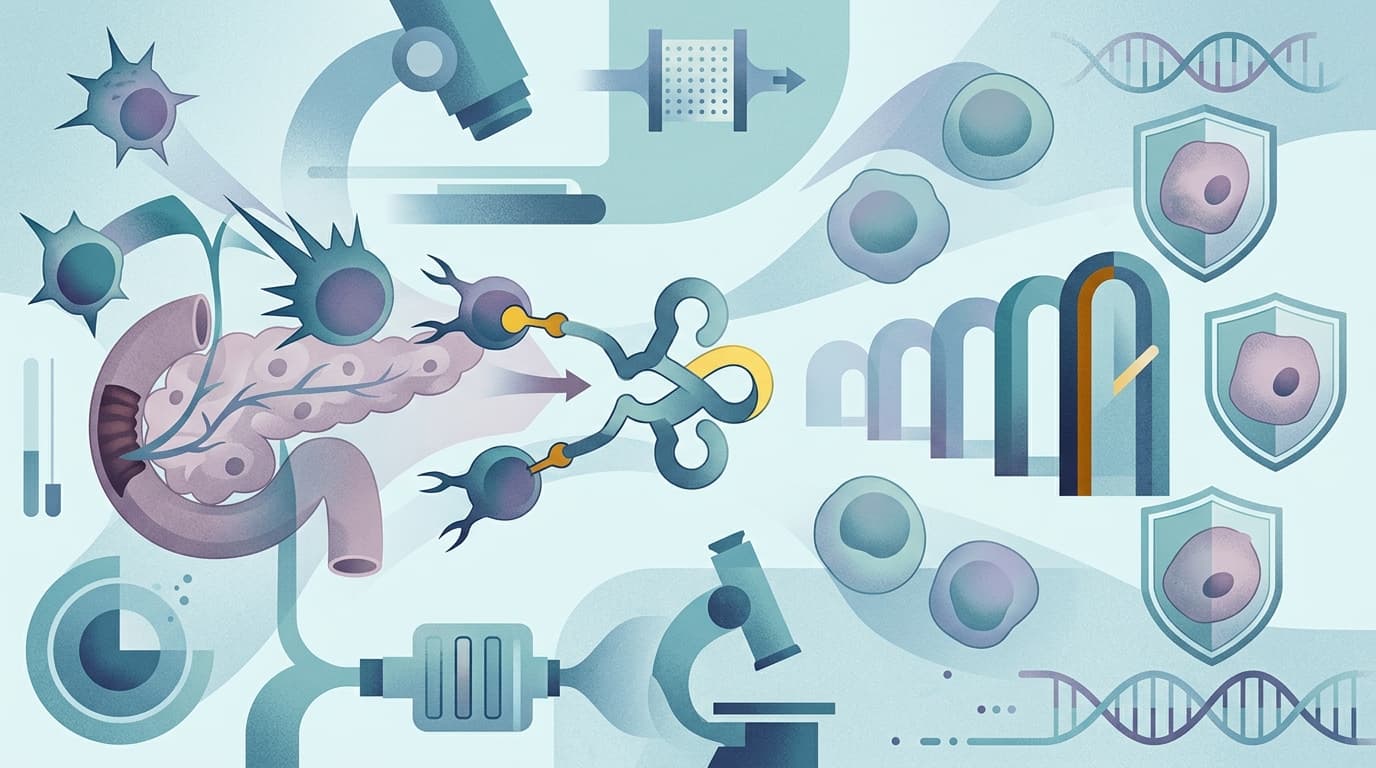
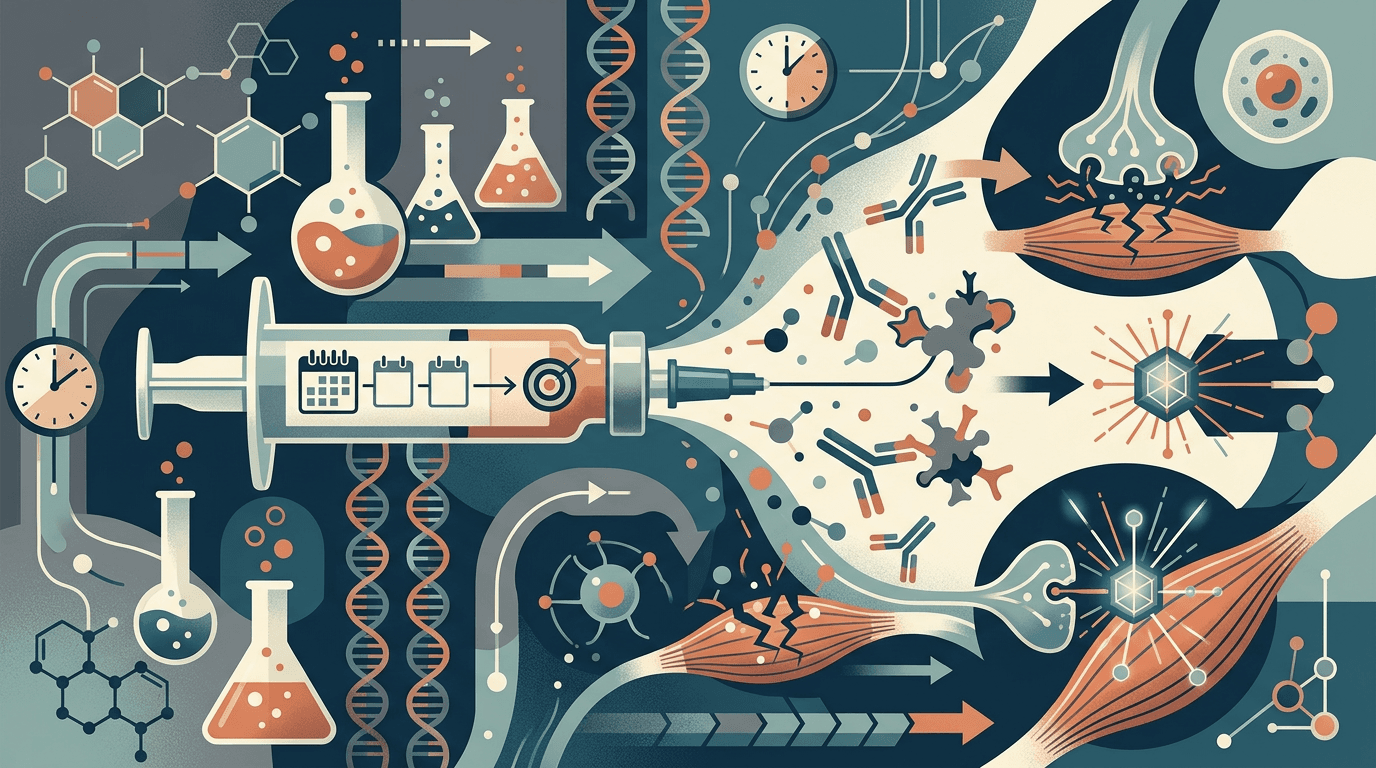
Tzield is a CD3-directed monoclonal antibody, which is a fancy way of saying it calms down the immune cells (T-cells) that are mistakenly attacking the pancreas. Two 12-day infusion courses, spaced six months apart. That's the whole treatment.
The drug doesn't cure type 1 diabetes. These kids still need insulin. But the pivotal PROTECT trial showed that Tzield preserves significantly more beta-cell function (the cells that make insulin) compared to placebo at 78 weeks.
The key metric: stimulated C-peptide, which measures how much insulin your body still produces on its own. At 78 weeks, nearly 95% of kids on Tzield maintained meaningful C-peptide levels, compared to 79% on placebo. That gap matters enormously for long-term health.
Why Preserving Beta Cells Is a Big Deal
You might wonder: if these kids still need insulin shots, what's the point?
Every bit of natural insulin production a child retains makes the disease easier to manage. It means fewer dangerous blood sugar crashes. It means less insulin injected. It means the body still has some ability to fine-tune its own glucose, even if it needs help.
Get tomorrow's biotech intelligence before your competitors.
Join thousands of biotech professionals who start their day with our free, daily briefing.
Pediatric endocrinologists have spent years watching children lose beta-cell function like sand through an hourglass, unable to do anything about the autoimmune destruction happening underneath. Now they have a tool that slows the hourglass.
The FDA called this "a significant milestone for the pediatric T1D community"; notably strong language from an agency that usually speaks in careful monotone.
The Broader Sanofi Play
Sanofi (which acquired Tzield's original developer, Provention Bio) now holds two disease-modifying indications for the drug:
Stage 2 T1D (pre-clinical, meaning autoimmunity is detectable but symptoms haven't appeared): Tzield can delay progression to full-blown diabetes in patients as young as 1 year old, approved in April 2026.
Stage 3 T1D (newly diagnosed, clinical diabetes): the June 2026 approval covering kids 8 to 17, to slow the decline in their remaining insulin production.
This creates something unprecedented: a treatment pathway that spans from before symptoms appear all the way through early diagnosis. Sanofi isn't just selling a drug; it's building a franchise around intercepting autoimmune diabetes at multiple stages.
The Price Tag and Market Math
The Stage 3 regimen consists of two 12-day infusion courses, with Tzield priced at approximately $13,850 per vial. That's eye-watering, but analyst models still project blockbuster economics.
About 18,000 children are newly diagnosed with type 1 diabetes in the U.S. each year, and roughly 300,000 are currently living with the disease. GlobalData projects Tzield could hit $4.8 billion in sales across major markets by 2033, potentially becoming the top-selling drug in the entire T1D space.
Will it kill the insulin market? Not really. Tzield delays insulin decline; it doesn't eliminate the need for insulin. Analysts model it as additive to existing diabetes spending rather than cannibalistic. Kids treated with Tzield will still use insulin, just potentially less of it, with better control.
A Paradigm Shift, Not Just a New Drug
The real significance here isn't one approval. It's the conceptual earthquake underneath it.
Type 1 diabetes has been treated as a metabolic problem (not enough insulin, so add insulin) for over a century. Tzield reframes it as an autoimmune problem that can be intercepted. That's a completely different mental model, and it opens the door to an entirely new category of therapies.
Aaron Kowalski, PhD, CEO of Breakthrough T1D (formerly JDRF), captured it well: "For the first time, individuals diagnosed with type 1 diabetes in stage 3 will have the option to treat the disease rather than just the symptoms."
This also forces a practical shift in how pediatricians think about diabetes. Screening for autoantibodies (the markers of early-stage T1D) now has a therapeutic payoff. If you can catch a child at stage 2, you can intervene before they ever need insulin. That changes the calculus on population-level screening programs entirely.
The Caveats Worth Noting
Tzield carries a boxed warning for serious viral reactivation, including Epstein-Barr virus and cytomegalovirus. Common side effects include vomiting, rash, elevated liver enzymes, and headache. The drug suppresses certain white blood cells (lymphopenia, neutropenia), raising infection risk.
And there's a scientific caveat: the PROTECT trial's secondary endpoints didn't reach statistical significance. The C-peptide data was strong, but measures like insulin dose and blood sugar control didn't show clear differences at 78 weeks. The FDA granted accelerated approval based on C-peptide as a surrogate endpoint "reasonably likely to predict clinical benefit," meaning Sanofi will need confirmatory data down the road.
The Bottom Line
For the first time in the history of type 1 diabetes, a newly diagnosed child can receive a therapy that fights the disease itself, not just its consequences. It's not a cure. The kids still need insulin. The drug costs nearly $200,000. The secondary endpoints didn't cooperate.
But the paradigm cracked open. And in medicine, once you prove a disease can be modified rather than merely managed, the floodgates tend to follow. Expect competitors, next-generation approaches, and combination strategies to pile into this space over the next decade.
For 300,000 American kids living with type 1 diabetes, and the 18,000 diagnosed every year, the question is no longer if we can slow this disease. It's how much further we can go.
Clinical & Regulatory4 min read
Exelixis Built a Backup Plan for Its $2B Drug. It Just Hit a Wall.
Exelixis' next-generation drug zanzalintinib missed a key survival endpoint in colorectal cancer, sending shares down 10-12%. With Cabometyx still driving 90% of revenue, the pressure to prove the successor can carry the franchise just got a lot more intense.