
The FDA is letting Amgen and AstraZeneca stream clinical trial data to regulators in real time, ditching the decades-old "run the study, then submit everything" model. If it works, drug development timelines could compress by months, and the entire industry will want in.
For six decades, clinical trials have worked like sending a letter by carrier pigeon. Researchers run a study, collect all the data, package it up, and ship it to the FDA. Then they wait. The agency reviews it, asks questions, and everyone loses months (or years) in the back-and-forth.
That system just got a wrecking ball taken to it.
The FDA announced a pilot program where Amgen and AstraZeneca will stream clinical trial data to regulators in real time, as it rolls in from patients. No more waiting for the final readout. No more years-long lag between signal and decision. Think of it like going from mailing VHS tapes to Netflix: same content, radically different delivery.
Two proof-of-concept trials are already up and running. AstraZeneca is testing a combination therapy in patients with untreated mantle cell lymphoma (a rare, aggressive blood cancer) at MD Anderson Cancer Center and the University of Pennsylvania. Amgen is running a Phase 1b trial called STREAM-SCLC in patients with limited-stage small cell lung cancer.
Both trials use a cloud-based platform built by Paradigm Health to automatically collect, analyze, and share safety and efficacy signals with FDA reviewers. The key word there is "signals," not raw patient data. The FDA and sponsors agreed in advance on which endpoints to monitor, so regulators see tumor responses and safety flags as they happen, not months later in a 10,000-page submission.
FDA Commissioner Marty Makary didn't mince words: "For 60 years, we've been conducting clinical trials in the same way, where key data signals can take years to reach the FDA. The lag time can delay regulatory decisions unnecessarily and slow down the drug development timeline."
The traditional model creates a brutal bottleneck in early-phase development. A Phase 1 trial finishes, the sponsor compiles data, submits it, schedules a meeting with the FDA, gets feedback, and then designs Phase 2. Each handoff can eat months.
With real-time streaming, the FDA could theoretically greenlight a move from Phase 1 to Phase 2 a full data reanalysis. Regulators would already have been watching the signals accumulate. It's the difference between binge-watching a show and waiting for the DVD box set to arrive in the mail.

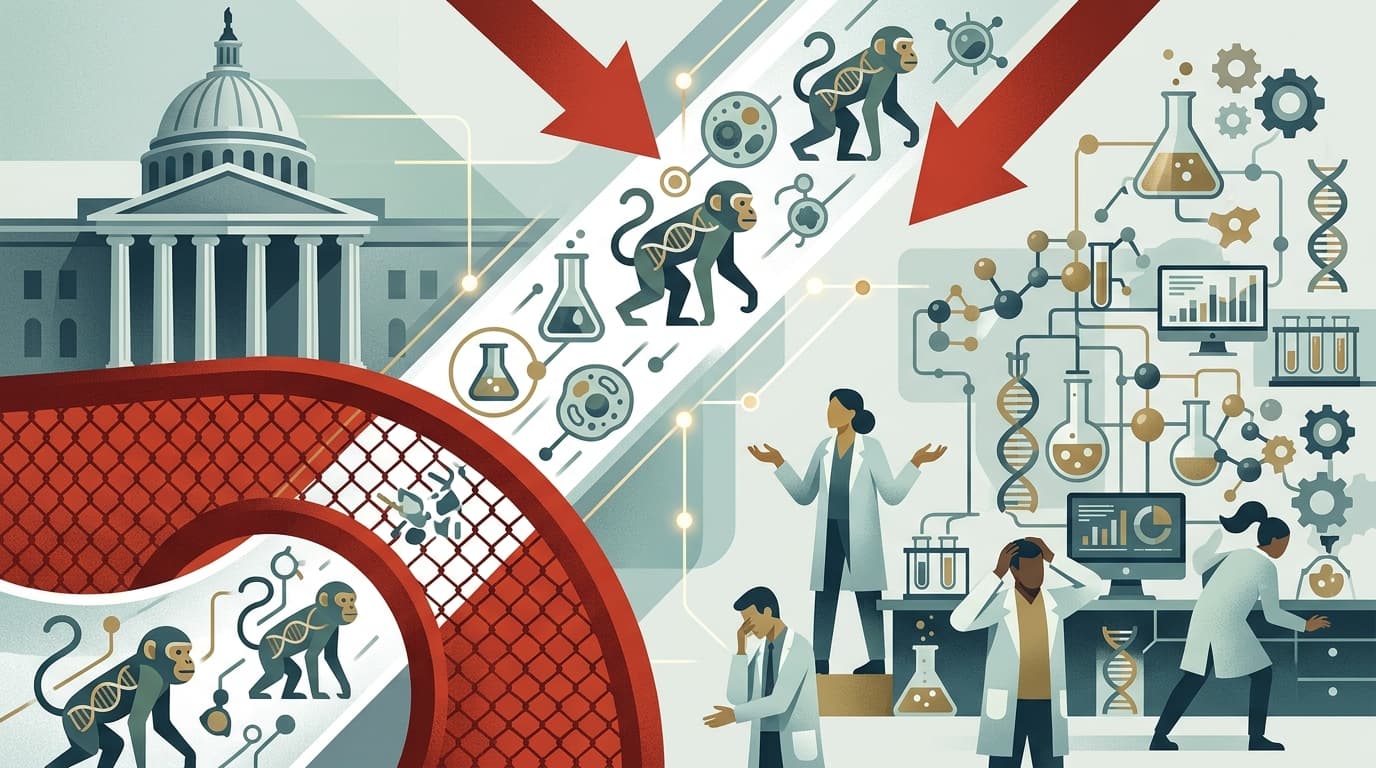
A bipartisan bill would ban all nonhuman primate imports into the U.S., threatening the supply chain for preclinical drug testing. With 20,000+ monkeys imported annually for research, the legislation could force an industry-wide scramble toward alternative testing methods.


Join thousands of biotech professionals who start their day with our free, daily briefing.

AstraZeneca's data has already been validated through the platform. Paradigm Health CEO Kent Thoelke said the system enables "a continuous view of safety and efficacy," turning what used to take months into days.
Wall Street's reaction? Cautiously optimistic.
Jefferies analysts wrote that real-time clinical trials "represent another step towards reducing structural inefficiencies and accelerating timelines." They suggested the approach could compress drug development timelines by eliminating delays baked into manual, sequential reporting.
Evercore ISI was a bit more measured, calling it "a logical next step from the FDA rather than a major step-change, and an example of regulators responding to fast-moving technology by defining a workable pathway for AI use." Translation: this is smart, practical, and overdue, but don't expect overnight transformation.
The potential upside? For drugs with billion-dollar peak sales potential, shaving even a few months off development can mean hundreds of millions in additional revenue.
When you hear "real-time data sharing with the government," your privacy alarm might go off. But the program was designed to sidestep that concern entirely. The FDA only receives pre-agreed endpoints and signals, not individual patient records. No names, no medical histories, no granular data flowing into a government cloud.
Stephanie Morain, interviewed about the program, noted that "patient privacy wouldn't concern me, provided appropriate protections are in place," adding that trial participants are "overwhelmingly okay with data sharing" when properly informed.
This pilot is just the opening act. The FDA issued a Request for Information (due May 29, 2026) seeking public feedback on how to design the broader pilot launching this summer. That expanded version will focus on AI-optimized early trials: think automated safety monitoring, smarter dosing decisions, and faster patient recruitment.
The agency plans to run both systems in parallel at first, comparing real-time signals against traditional submissions to make sure nothing gets lost in translation. It's a belt-and-suspenders approach, which is exactly what you want when patient safety is on the line.
Makary's stated endgame is ambitious: "real-time, continuous trials across all phases of drug development." If it works in oncology, expect expansion into rare diseases and autoimmune conditions.
The FDA is finally upgrading from fax-machine-era trial oversight to something that looks like modern technology. Two of the world's largest pharma companies are already streaming live trial data to regulators. If the pilot proves out, every drug company in the world will want in.
The 60-year-old clinical trial model isn't dead yet. But it just got a diagnosis, and the prognosis isn't great.
UCB just paid $2.2 billion for Candid Therapeutics, a biotech that launched from stealth barely 18 months ago. The deal reveals big pharma's frenzied bet that T-cell engagers could become the new standard of care for autoimmune diseases.