
The FDA wants to hire 2,200 people after losing over 3,000 in last year's cuts, while simultaneously overhauling how clinical trials are evaluated. Executives are cautiously hopeful, but the math on staffing doesn't add up yet, and the trust deficit may be harder to fix than the headcount.
Imagine firing your entire accounting department in January, then scrambling to rebuild it before tax season. That's roughly what the FDA is doing right now, except instead of taxes, the stakes are whether new drugs get reviewed on time.
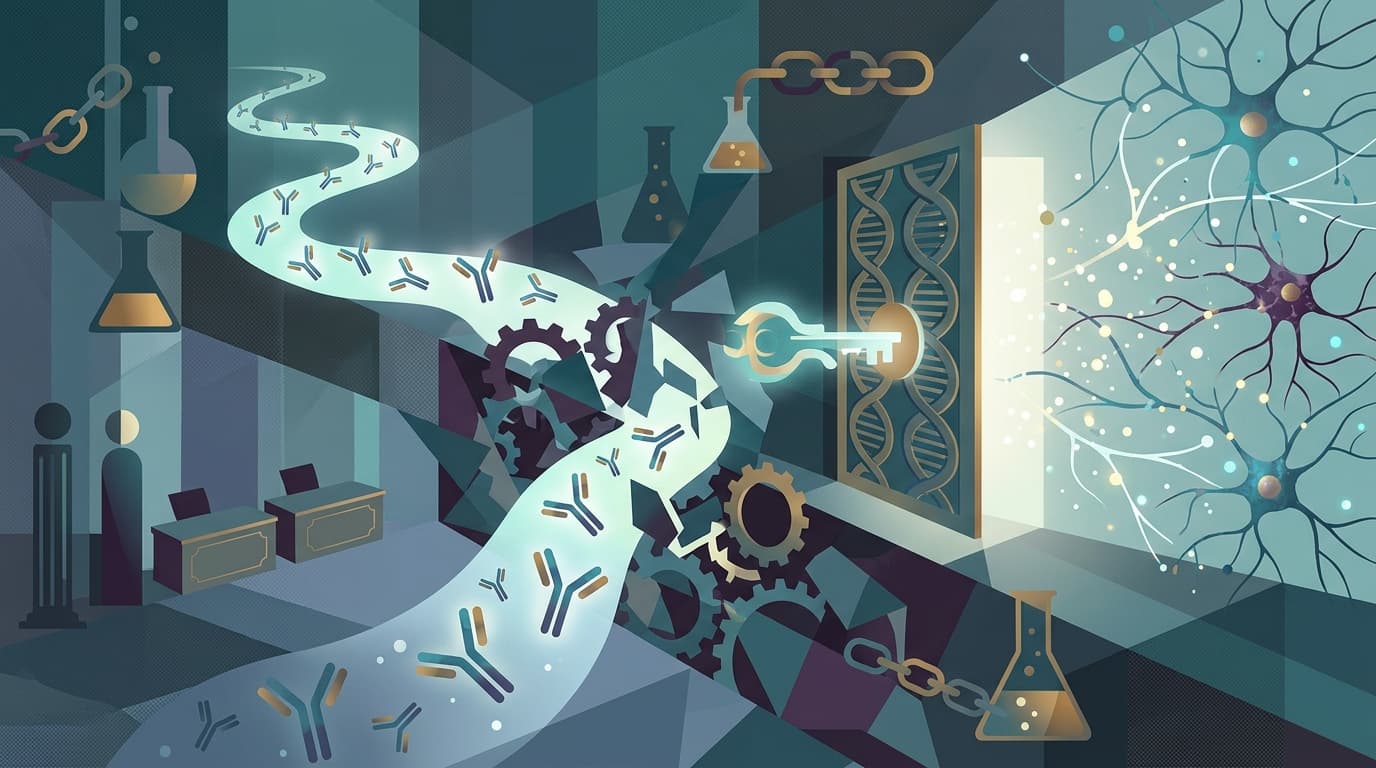
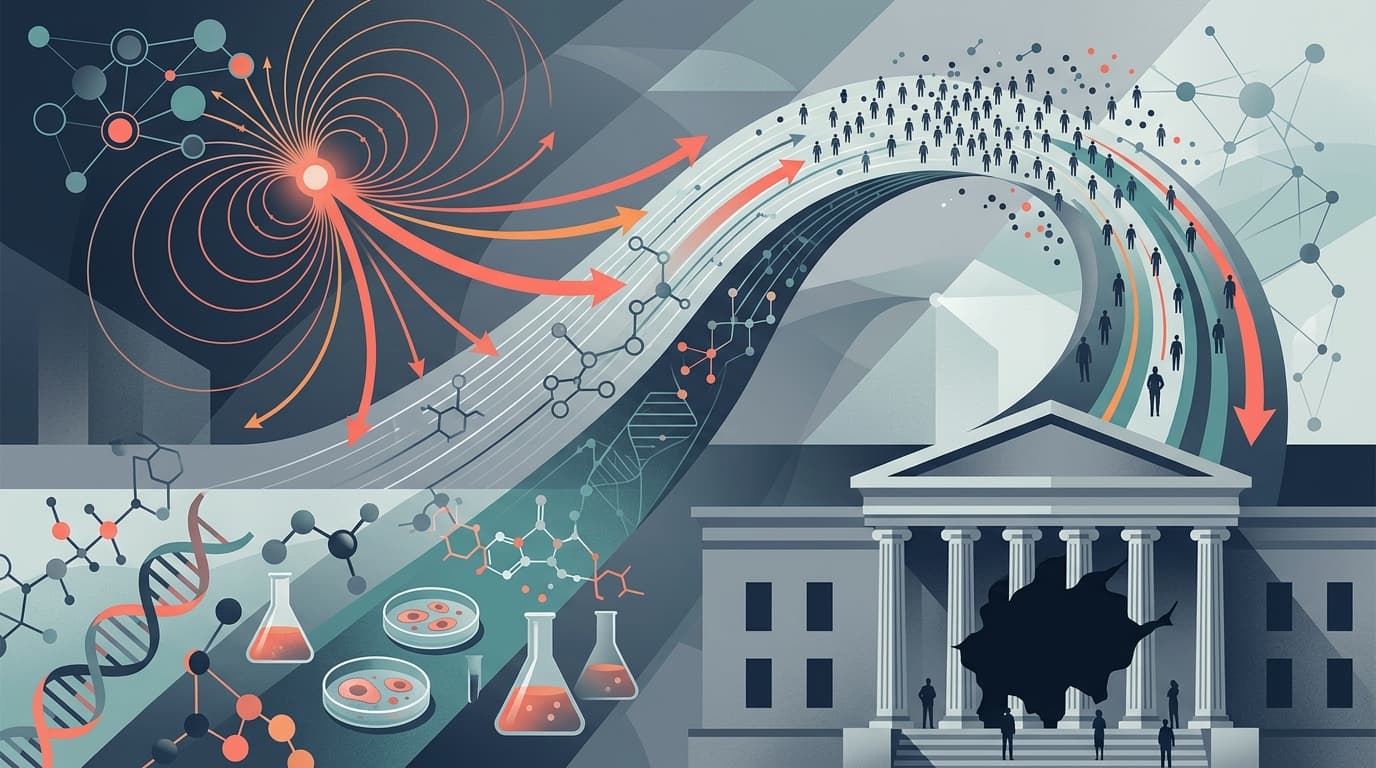
The agency has announced plans to hire 2,200 employees after losing more than 3,000 staff in the prior year's sweeping cuts. At the same time, leadership is rolling out a set of modernized clinical trial standards that could reshape how drugs get approved. Biotech executives are cautiously optimistic, but they have one big question the FDA hasn't fully answered: will politics stay out of the review room?
The numbers tell a brutal story. In the fourth quarter of fiscal year 2025, the FDA's drug evaluation center (CDER) lost 746 employees and gained just 6. The biologics center (CBER) lost 194 and gained 4. That's nearly 1,000 people walking out the door in a single quarter from the two centers responsible for reviewing every new drug and biologic in the country.
The cuts officially spared "core reviewers and inspectors." But support staff, regulatory policy lawyers, library researchers, and records managers were hit hard. Think of it like a restaurant that kept its chefs but fired all the line cooks, hosts, and dishwashers. The kitchen technically still functions. It just can't serve anyone on time.
Acting Chief of Staff and Deputy Commissioner Lowell Zeta laid out the rebuild plan at the BIO International Convention in San Diego in late June. Of the 2,200 planned hires, about 600 are already in onboarding, with roughly 1,600 positions left to fill. That sounds promising until you look at the current trajectory.
Even with active hiring, both drug centers are still shrinking. CBER's quarterly data through June 2026 shows net losses every single quarter this fiscal year: negative 27 in Q1, negative 21 in Q2, negative 6 in Q3. Across the first three quarters, CBER brought on 39 people but lost 93. CDER isn't faring much better, with 205 hires against 261 departures.

Leqembi just became the first Alzheimer's drug you can take entirely at home, from first dose to last. With nine-month clinic waitlists and infusion-center bottlenecks choking patient access, this FDA approval could reshape who actually gets treated.


Join thousands of biotech professionals who start their day with our free, daily briefing.

People are leaving faster than replacements can be processed.
And here's the real kicker: positions funded by PDUFA (the user fees that drug companies pay to fund their own reviews) show zero hires in fiscal year 2026. Not a slow start. Literally zero. That's the program that bankrolls the bulk of new drug reviews. If those positions stay empty, the backlog isn't a risk; it's a certainty.
Despite all this, the FDA managed to approve 46 novel drugs and biologics in 2025 without blowing most of its deadlines. Only two applications exceeded a 12-month review, and those delays were caused by extra data submissions, not staffing shortages. On paper, the system held.
But the cracks are showing. An RBC Capital Markets analysis found that on-time completion rates dropped to 78% in the second half of 2025, down from the historical range of 85 to 90 percent. Biologics approvals fell to just 9 in 2025, compared to 22 and 24 in the two prior years. Internal sources describe reviewers carrying nearly double their usual workload.
The 2025 data looks like a student pulling an all-nighter to pass the final exam. They survived, but nobody should confuse that with sustainable performance.
Alongside the hiring blitz, the FDA is updating how it evaluates whether a drug actually works. The biggest shift: sponsors can now generally rely on one well-designed pivotal trial plus supporting evidence, rather than the traditional two-trial standard.
That single trial needs to be "highly persuasive," meaning randomized, blinded, representative of real patients across multiple sites, and powered to show a clinically meaningful effect (not just a statistically significant blip). The FDA is also expressing a clear preference for clinical endpoints over surrogate markers. Translation: they want to see that a drug makes patients feel better or live longer, not just that it moves a lab number.
To back up that one pivotal trial, companies can submit a range of confirmatory evidence: mechanistic data, real-world evidence, natural history studies, or results from related diseases. The agency also released updated guidance on master protocols (basket, umbrella, and platform trials), which let multiple questions get answered within a single trial framework. Think of it as going from one-question-per-test to a comprehensive exam.
For early-stage development, FDA clarified that Phase 1 applications don't need full analytical validation data or complete stability studies upfront. New guidance on quantitative modeling for first-in-human dosing could make early trials safer and more efficient, especially for high-risk therapies like cell and gene products.
Biotech executives greeted the announcements with the enthusiasm of someone who's been promised their delayed flight is "now boarding." They want to believe it, but they've been burned before.
The deeper concern isn't headcount. It's independence. Reports from BIO 2026 indicate that executives want assurance that FDA decision-making won't hinge on any single political appointee. One FDA leader acknowledged the point directly, stating that the agency cannot rely on "an individual" and that sustainable regulation has to be bigger than any one person.
Meanwhile, some biotech companies have already started moving early-stage trials outside the United States. Reuters reported that staffing chaos and unpredictable review timelines pushed at least some firms to explore regulatory paths in other countries first. That's the kind of vote-with-your-feet response that should alarm everyone.
The modernized trial standards are genuinely positive. One pivotal trial instead of two can shave years and hundreds of millions of dollars off development timelines. The emphasis on clinical endpoints and flexible confirmatory evidence reflects how modern drug development actually works.
But standards don't review applications; people do. Until the FDA closes the gap between its hiring goals and the revolving door of departures, every company with a pending NDA or BLA should plan for more variability. Biologics look especially exposed, given the steep drop in BLA approvals and persistent staffing losses at CBER.
The agency's proposed budget for fiscal year 2026 is $6.8 billion, down from $7.2 billion the year before. Hiring 2,200 people with a shrinking budget is the regulatory equivalent of trying to fill a swimming pool with a garden hose while someone drills holes in the bottom.
The FDA has the right plan. Whether it has the resources, the runway, and the political insulation to execute it is a very different question.
J&J's OTTAVA just became the first table-integrated surgical robot to earn FDA authorization, creating an entirely new device category. After a decade of delays, billion-dollar lawsuits, and a $900 million write-down, the fight for Intuitive Surgical's robotic surgery throne just got real.