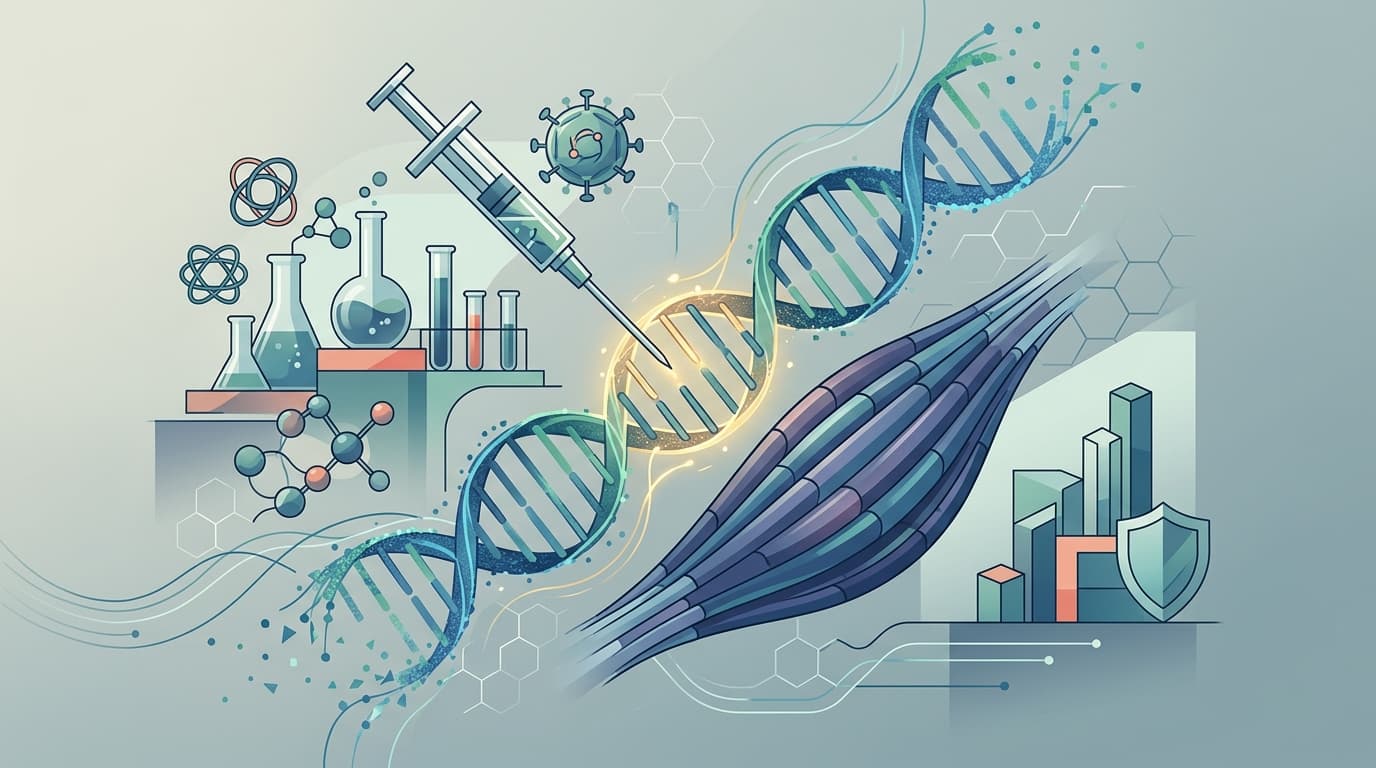

Epicrispr just reported something no other FSHD therapy has ever shown: patients gaining muscle mass instead of losing it. The data are early, but for a disease with zero approved treatments, even a small signal feels seismic.
Imagine a condition where your muscles slowly melt away, year after year, and no drug on the planet can stop it. That's the reality for people with facioscapulohumeral muscular dystrophy, or FSHD. It's one of the most common forms of muscular dystrophy, and it's been a black hole for drug developers. No approved treatment. No proven way to slow the decline. Just physical therapy, pain meds, and watching the progression unfold.
So when a tiny biotech called Epicrispr reported that patients in a clinical trial actually gained muscle mass after a single IV infusion, the neuromuscular disease world collectively leaned forward in its chair.
The company's drug candidate, EPI-321, was tested in a small Phase 1/2 trial. The first three patients who had six months of follow-up all showed increases in lean muscle volume. The average gain was about 370 mL, which translates to roughly 0.8 pounds of new muscle. Individual patients ranged from about half a pound to 1.3 pounds.
Those numbers might sound modest if you're thinking about a gym routine. But for FSHD patients, whose muscles typically only shrink over time, any gain is extraordinary. Epicrispr says no other therapy has ever shown greater muscle mass increases in this clinical setting. That's not marketing spin; it's a reflection of how barren the FSHD treatment landscape has been.
Across all nine patients treated so far, the safety profile has been clean: no serious adverse events reported.
To understand why this matters, you need to know what's going wrong in FSHD. The culprit is a gene called DUX4. In healthy people, DUX4 is supposed to stay quiet. It does its job during very early embryonic development and then essentially retires. But in FSHD patients, DUX4 won't shut up. It keeps firing, producing a toxic protein that damages muscle cells.
Most gene therapies you've heard of work like molecular scissors: they physically cut DNA to fix or remove a problematic gene. EPI-321 takes a radically different approach. Think of it less like surgery and more like putting a muzzle on a barking dog. The gene stays intact; it just can't express itself anymore.

The Trump administration just slapped a 100% tariff on imported brand-name drugs, the most aggressive trade action the pharmaceutical industry has ever seen. Some major drugmakers already cut deals to dodge it. The rest are scrambling.

Join thousands of biotech professionals who start their day with our free, daily briefing.
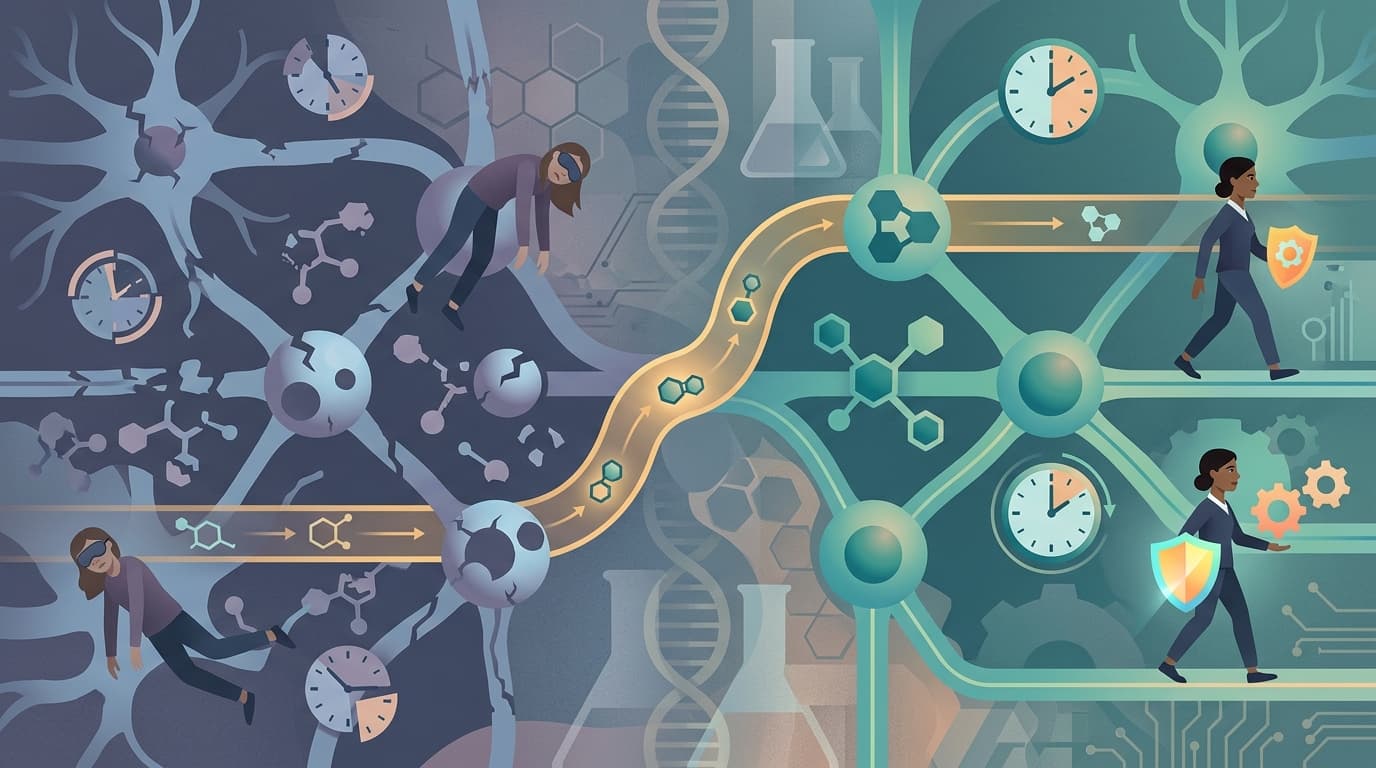
Epicrispr calls this epigenetic editing. The company's platform (awkwardly named GEMS, for Gene Expression Modulation System) uses a tool called CasMINI, an ultracompact version of the CRISPR machinery, to chemically modify the area around DUX4 so the gene gets silenced. No DNA is cut. No permanent alterations to the genetic code. The therapy essentially restores the "off switch" that FSHD patients are missing.
The company was founded in 2018 by Stanford's Stanley Qi, one of the pioneers of CRISPR-based gene regulation. It's headquartered in South San Francisco, which is basically the zip code where biotech goes to either flourish or flame out.
Russell Butterfield, the trial's principal investigator, said the changes are encouraging and may indicate the therapy is addressing the underlying disease drivers. But he was careful to add that additional follow-up is needed to understand whether these changes translate into meaningful patient benefit.
That caveat is important. Three patients is a cocktail napkin's worth of data. The study is open-label (meaning everyone knows they're getting the drug), there's no placebo group for comparison, and the primary goal of the trial is safety, not efficacy. The muscle mass gains are technically exploratory findings.
Epicrispr CEO Amber Salzman was more bullish, calling the results a "major scientific breakthrough" and the first clinical evidence that a therapy may suppress the genetic driver of FSHD while increasing muscle volume.
FSHD advocacy groups welcomed the news but struck a measured tone, characterizing the update as early clinical activity from a small study. The broader scientific community seems to be treating this as a de-risking event: not proof that the drug works, but strong evidence that it's doing something biologically meaningful in humans.
One reason this data stands out is that there's almost nothing else in the pipeline for FSHD. Previous attempts with drugs like losmapimod and albuterol were studied in clinical trials but never crossed the finish line to approval. The treatment options today remain stubbornly limited to symptom management: NSAIDs for pain, physical therapy, bracing, and in some cases surgery to stabilize the shoulder blades.
EPI-321 is the most advanced epigenetic CRISPR program targeting FSHD. A few academic groups are exploring related strategies (like activating a natural gene silencer called SMCHD1), but those are still in the concept stage. For now, Epicrispr has the field largely to itself.
The full trial is designed for 12 patients across two dose levels, and the company says it has now reached full enrollment. Longer-term data on muscle function, DUX4 expression levels, and durability of effect will be critical milestones to watch.
This is one of those rare moments in rare disease research where the data, however early, feel genuinely different. FSHD patients have watched trial after trial fizzle. They've been told to manage symptoms while researchers figured things out. Now a small study with three evaluable patients has shown something that no other program has: muscles getting bigger instead of smaller.
Is it definitive? Absolutely not. Three patients, six months, no placebo arm. The caveats are real, and the road from Phase 1 signal to approved therapy is littered with promising molecules that didn't make it.
But for a disease where the bar has been "slow the decline," showing actual gains is like a baseball team down 10 runs suddenly putting runners on base. It doesn't mean they'll win. But for the first time, there's a reason to keep watching.
The FDA just approved the first-ever mRNA flu vaccine, and it beat traditional shots in a 41,000-person trial. Moderna's mFlusiva won't make much money this year, but it might reshape a $9 billion market.