
Epicrispr just completed enrollment in the first-ever epigenetic editing trial for muscular dystrophy, a therapy that silences disease genes without cutting DNA. Twelve patients are dosed, early signals look promising, and the implications stretch far beyond one rare disease.
Imagine you could change how a book is read without rewriting a single word. No crossing out sentences, no tearing out pages. You just close the cover and put it back on the shelf.
That's roughly what Epicrispr Biotechnologies just pulled off in a clinical trial, and it could reshape how we think about genetic medicine.
Epicrispr announced that it has fully enrolled and dosed all 12 patients in the dose-escalation portion of its Phase 1/2 study of EPI-321. That's the company's experimental therapy for facioscapulohumeral muscular dystrophy, or FSHD, a progressive disease that weakens muscles in the face, shoulders, and arms.
The trial itself is modest in size. Twelve adults, split across two dose groups. But the significance extends far beyond a dozen patients, because EPI-321 is the first-in-human epigenetic editing therapy for FSHD and the first open epigenetic editing IND in the U.S. It doesn't cut DNA. It doesn't replace genes. It changes how the body reads the genetic instructions it already has.
More data are expected at the World Muscle Society Annual Congress in September 2026. The biotech world will be watching closely.
FSHD is the third most common form of muscular dystrophy, affecting roughly 1 in every 8,000 to 20,000 people. Estimates put the U.S. patient population at around 33,500, with nearly 79,000 cases across the seven major pharmaceutical markets.
Those patients currently have zero approved disease-modifying treatments. Zero. The standard of care is physical therapy, pain management, and in severe cases, surgery to stabilize the shoulders. It's like giving someone with a leaky roof a better collection of buckets.
The root cause is well understood, which makes the treatment gap especially frustrating. In healthy muscle cells, a gene called DUX4 is supposed to stay quiet. It does its job during early embryonic development, then gets locked away by chemical tags on the DNA (a process called epigenetic silencing). In FSHD patients, those chemical locks are broken. DUX4 wakes up in adult muscle tissue where it doesn't belong, and its toxic activity slowly destroys muscle fibers.

BioCryst is shutting down its 40-year-old internal drug discovery operation and betting everything on external deals. The rare-disease biotech is profitable, growing, and making a deliberate strategic gamble that could redefine what a mid-cap biotech looks like.


Join thousands of biotech professionals who start their day with our free, daily briefing.
This is where Epicrispr's approach gets clever. Traditional gene therapy tries to replace a broken gene with a working copy, like swapping out a faulty engine part. Gene editing tools like CRISPR act more like molecular scissors: they physically cut the DNA to remove or fix a mutation.
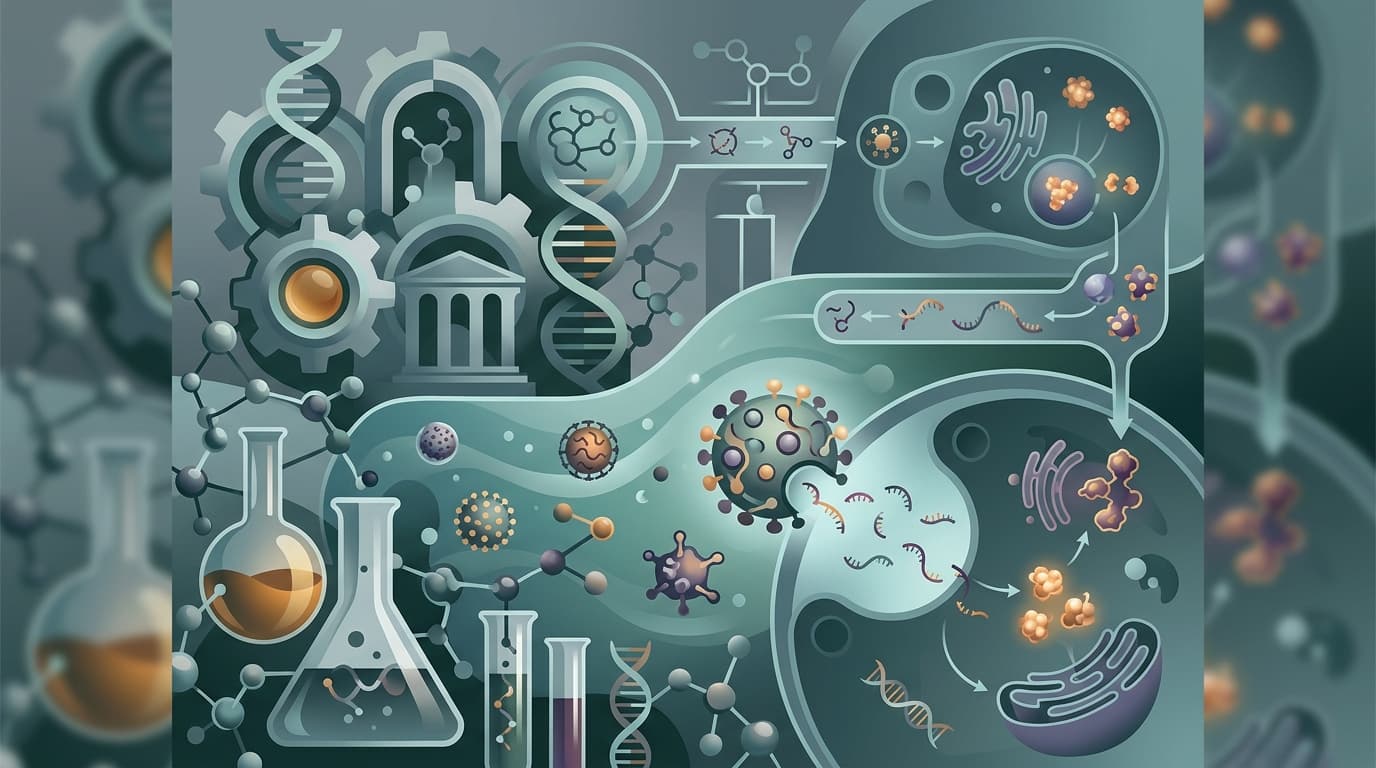
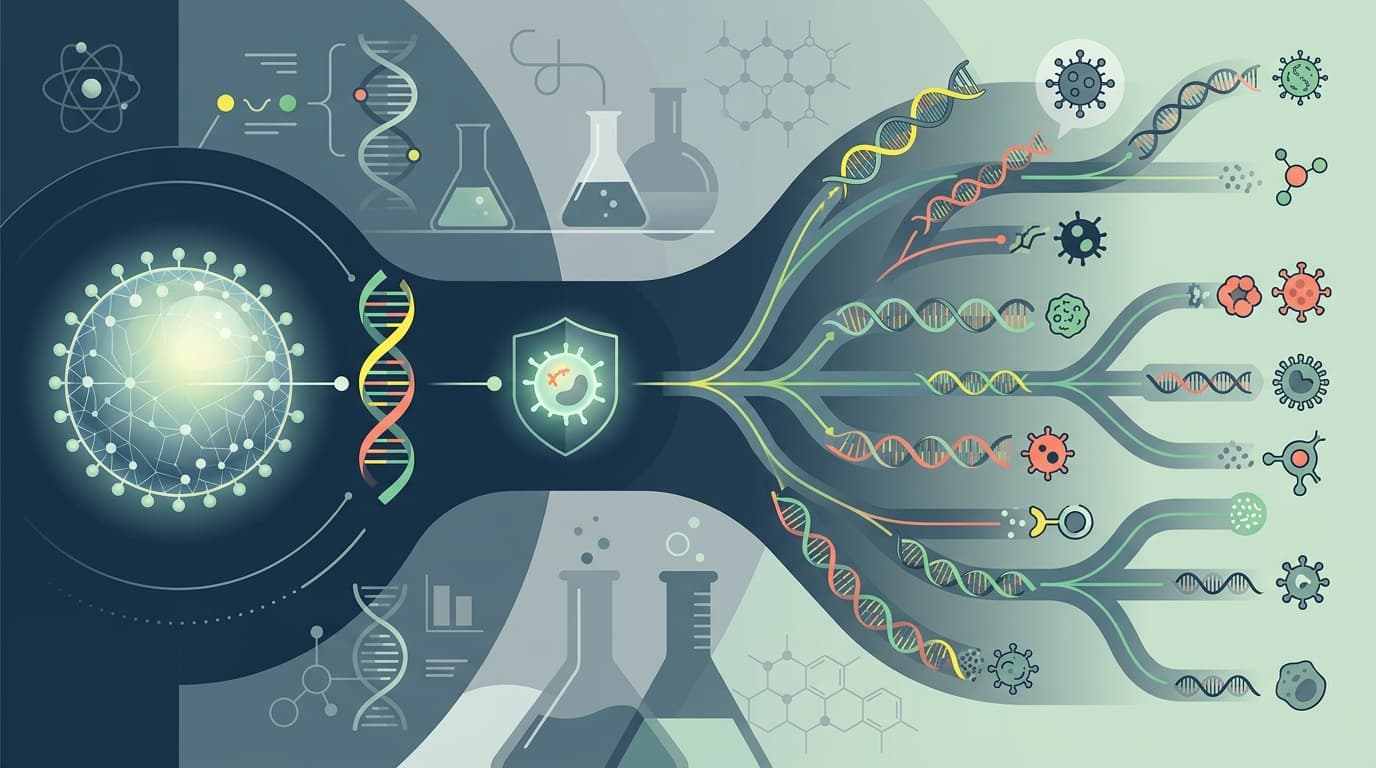
Epicrispr does neither. Its platform, called GEMS (Gene Expression Modulation System), uses a deactivated version of a CRISPR protein that can't cut anything. Think of it as scissors with the blades glued shut. The protein still finds the right spot on the genome, but instead of snipping, it brings along molecular tools that re-apply those missing chemical locks to the D4Z4 region controlling DUX4.
The result? DUX4 gets put back to sleep. The DNA sequence stays completely intact. No permanent cuts, no irreversible changes. The book goes back on the shelf, cover closed.
EPI-321 delivers this system via a single intravenous dose using an AAV (adeno-associated virus) vector, the same type of delivery vehicle used in several approved gene therapies. Patients in the trial received one of two doses: 2 × 10¹³ or 4 × 10¹³ viral particles per kilogram of body weight. After treatment, they'll be followed for approximately five years.
The trial's primary goal is safety, as you'd expect for a first-in-human study. But Epicrispr has already shared some early biological signals that caught the field's attention.
Among the first participants to reach three months of follow-up, the company reported improvements in strength and functional measures with no serious or severe adverse events. The early data also showed statistically significant gains in lean muscle volume on MRI, along with biomarker changes consistent with DUX4 suppression.
Those are exactly the signals you'd want to see if the therapy is doing what it's designed to do. But caution is warranted: these are early observations from a handful of patients, not proof that the therapy works long-term.
Epicrispr isn't alone in the epigenetic editing race, though it may be leading the pack in muscular dystrophy. Several other companies are pushing similar approaches into the clinic.
Tune Therapeutics reported data showing its epigenetic silencer could suppress hepatitis B viral markers for up to 17 months at higher doses. nChroma Bio started dosing hepatitis B patients in early 2026. Sangamo is pursuing neurological indications, including a trial for small fibre neuropathy.
Hepatitis B is the busiest clinical battleground for now, with multiple companies competing to prove that gene silencing without DNA cutting can achieve a "functional cure" for chronic infection. But the FSHD program stands out because it targets a disease with absolutely no approved treatment, giving Epicrispr a clear unmet-need narrative.
The company raised a $90 million Series C to push EPI-321 toward pivotal studies and expand its pipeline, which includes earlier programs in areas like high cholesterol and retinal disease. Founded in 2018 by Lei Stanley Qi, a CRISPR pioneer and UC CRISPR patent co-inventor, Epicrispr emerged from stealth in 2022 with $55 million in Series A funding. The trajectory from stealth to human clinical data in roughly four years is notable in a field where timelines routinely stretch to a decade.
The real stakes here aren't just about one disease or one company. They're about whether epigenetic editing can graduate from an elegant lab concept to a viable therapeutic modality.
If the approach works in FSHD, it validates the idea that you can treat genetic diseases by changing how genes are expressed, not by permanently rewriting the code. That's a fundamentally different philosophy from traditional gene editing, and it comes with a tantalizing advantage: reversibility. If something goes wrong, the body's natural processes could theoretically restore the original epigenetic state over time.
The September data presentation at the World Muscle Society congress will be the next major checkpoint. Investors, patients, and competitors will all be parsing those results for answers to three critical questions: How durable is the silencing? How safe is repeated or long-term exposure? And do the functional improvements hold up as more patients accumulate follow-up time?
For the roughly 33,500 Americans living with FSHD and no disease-modifying treatment, those questions aren't academic. They're everything.
A molecule designed entirely by AI just got cleared for clinical trials in Parkinson's disease across three continents. Insilico Medicine's ISM8969 could validate generative AI drug discovery, but Parkinson's has a nasty habit of humbling even the most promising drugs.