China Just Became the World's Drug Store (and Washington Is Freaking Out)
China's biopharma out-licensing deals exploded from $14 billion in 2021 to $137.7 billion in 2025, with nearly $49 billion in just the first two months of 2026. Western pharma is racing to buy Chinese drug candidates while Washington scrambles to respond.
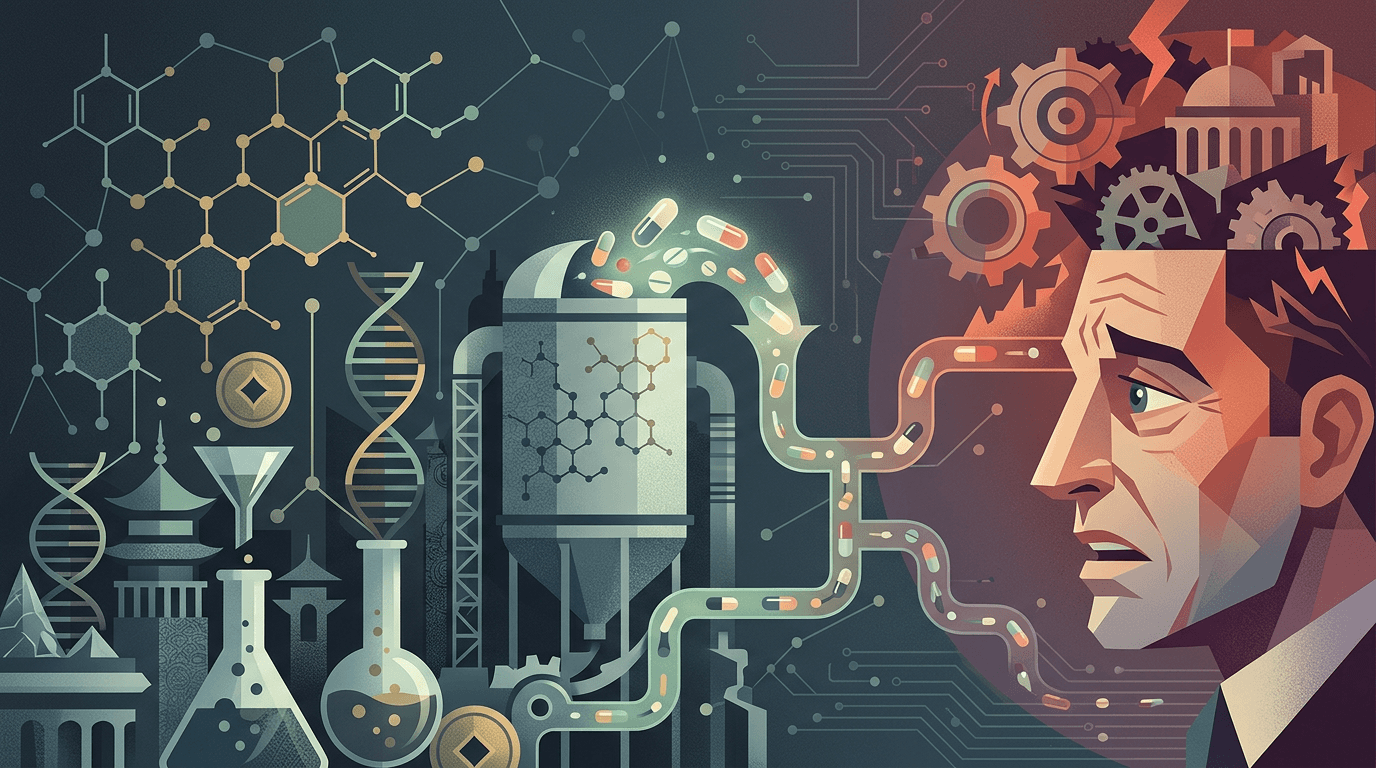
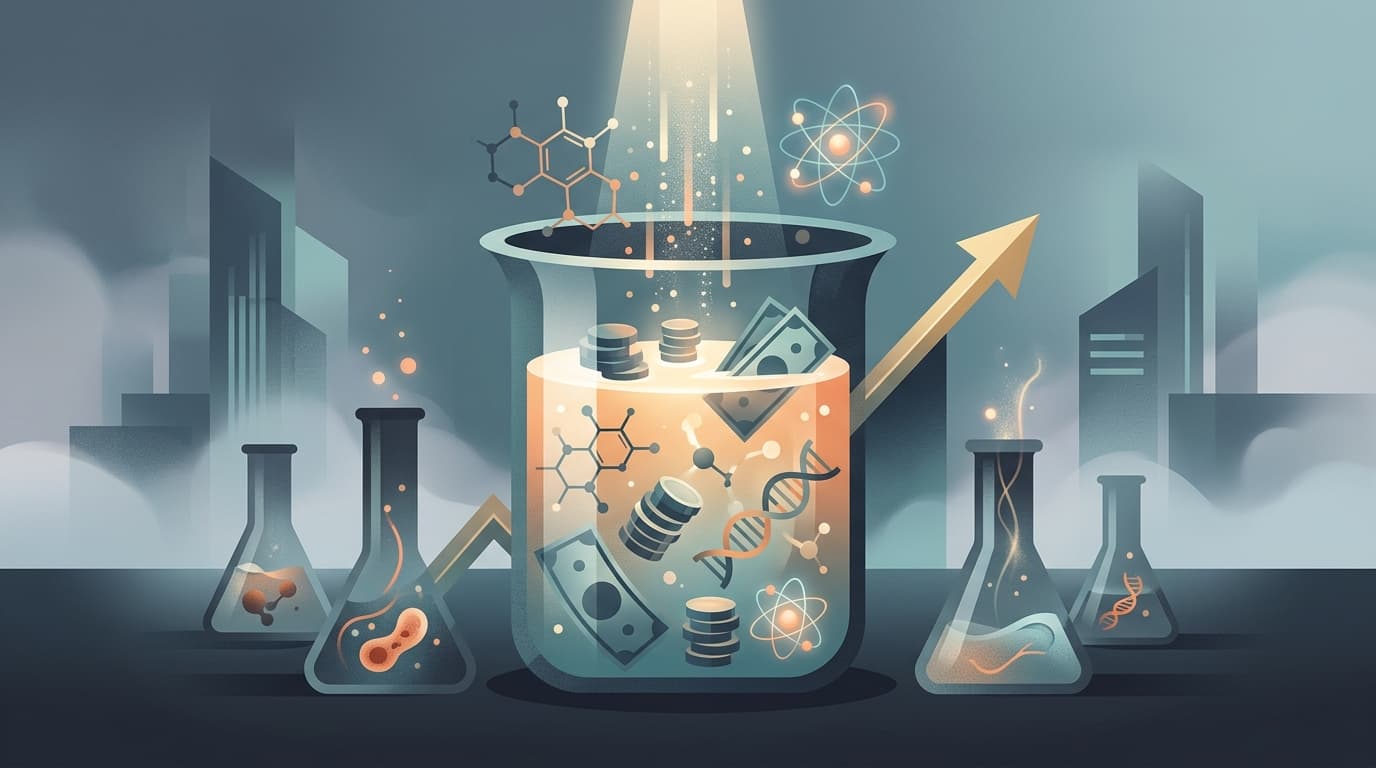
In 2021, China's biopharma companies licensed about $14 billion worth of drug candidates to the rest of the world. In 2025, that number hit $137.7 billion. That's not growth. That's a different sport entirely.
And 2026 is somehow hotter. By late February of this year, Chinese biotechs had closed 41 deals worth roughly $52 billion. To put that in perspective: the average deal size is now six times what it was in 2021. The world's biggest pharmaceutical companies aren't just shopping in China anymore. They're running through the aisles with overflowing carts.
From Copycats to the Cool Kids
For decades, China's biotech sector had a reputation: fast followers. They'd watch Western companies invent something, then replicate it cheaper and faster for the domestic market. Useful, but not exactly groundbreaking.
That story is dead. A Georgetown University analysis of global drug programs from 2015 to 2024 tells the tale in two numbers. China's share of early-stage drug development programs jumped from 8% to 32%. Over the same period, the U.S. share actually dropped, falling from 48% to 37%. China didn't just catch up; it pulled alongside.
The National Security Commission on Emerging Biotechnology, a bipartisan group Congress created to assess biotech threats, described this as a move "from near irrelevance to dominance." Their April 2025 final report warned the U.S. is "dangerously close to falling behind" and called for at least $15 billion in federal spending over five years to keep pace.
Think of it like this: imagine you've been the best basketball team in the league for 30 years, and suddenly the team you used to scrimmage against for warm-ups is beating you in the playoffs.
The Deals That Turned Heads
The sheer scale of recent transactions would have seemed fictional a few years ago. AstraZeneca signed a deal with CSPC Pharmaceutical worth up to $18.5 billion for a suite of obesity drugs, including $1.2 billion upfront. That single deal is larger than China's entire annual out-licensing total from just five years prior.
Get tomorrow's biotech intelligence before your competitors.
Join thousands of biotech professionals who start their day with our free, daily briefing.
GlaxoSmithKline paid $500 million upfront to Jiangsu Hengrui for rights to up to 12 medicines, in a deal valued at up to $12.5 billion total including the upfront payment and up to $12 billion in milestones. Pfizer signed a $6 billion oncology deal with 3SBio. AbbVie locked up a cancer-focused asset from RemeGen for up to $5.6 billion.
The pattern is clear. Every major Western pharma company is buying from China. AbbVie, Novartis, Sanofi, Roche, Merck, Gilead: they've all joined the rush. At the J.P. Morgan Healthcare Conference in January 2026, Chinese firms closed $7.3 billion in deals, outpacing everyone else.
Why Now? Blame the Patent Cliff.
Western pharma has a ticking clock problem. Roughly $236 billion in drug revenue faces patent expiration by 2030. When a blockbuster drug loses patent protection, generic competitors swoop in and revenue craters. Companies need new drugs, fast, and their own labs aren't filling the gap quickly enough.
China offers something irresistible: speed and volume at lower cost. Chinese regulators now approve first-in-human trials in about 60 working days, down from timelines that before 2015 could stretch beyond a year. That means a Chinese company can get a new molecule into patients in nine months, while an American company might take two years. When you're staring down a patent cliff, that kind of speed advantage is worth paying a premium for.
One-third of U.S. pharma pipelines now contain Chinese-originated compounds, according to industry tracking data. China also dominates specific hot areas: roughly 90% of global antibody-drug conjugate (ADC) licensing deals involve Chinese companies. ADCs are a clever technology that attaches a toxic drug to an antibody, letting it find and kill cancer cells while leaving healthy tissue alone. Think of it as a guided missile versus a carpet bomb.
Washington Hits the Panic Button
All this deal-making makes the U.S. government deeply uncomfortable. The BIOSECURE Act, signed into law as part of the FY2026 defense spending bill, takes direct aim at the problem. It bans federal agencies and federally funded groups from working with designated "biotechnology companies of concern," a category designed to capture Chinese firms with ties to Beijing's military or intelligence apparatus.
The original 2024 version named five Chinese firms outright, including WuXi AppTec and BGI. The final version took a different approach: it created a dynamic list that the Office of Management and Budget will publish and update annually. No grandfather clause, no grace period.
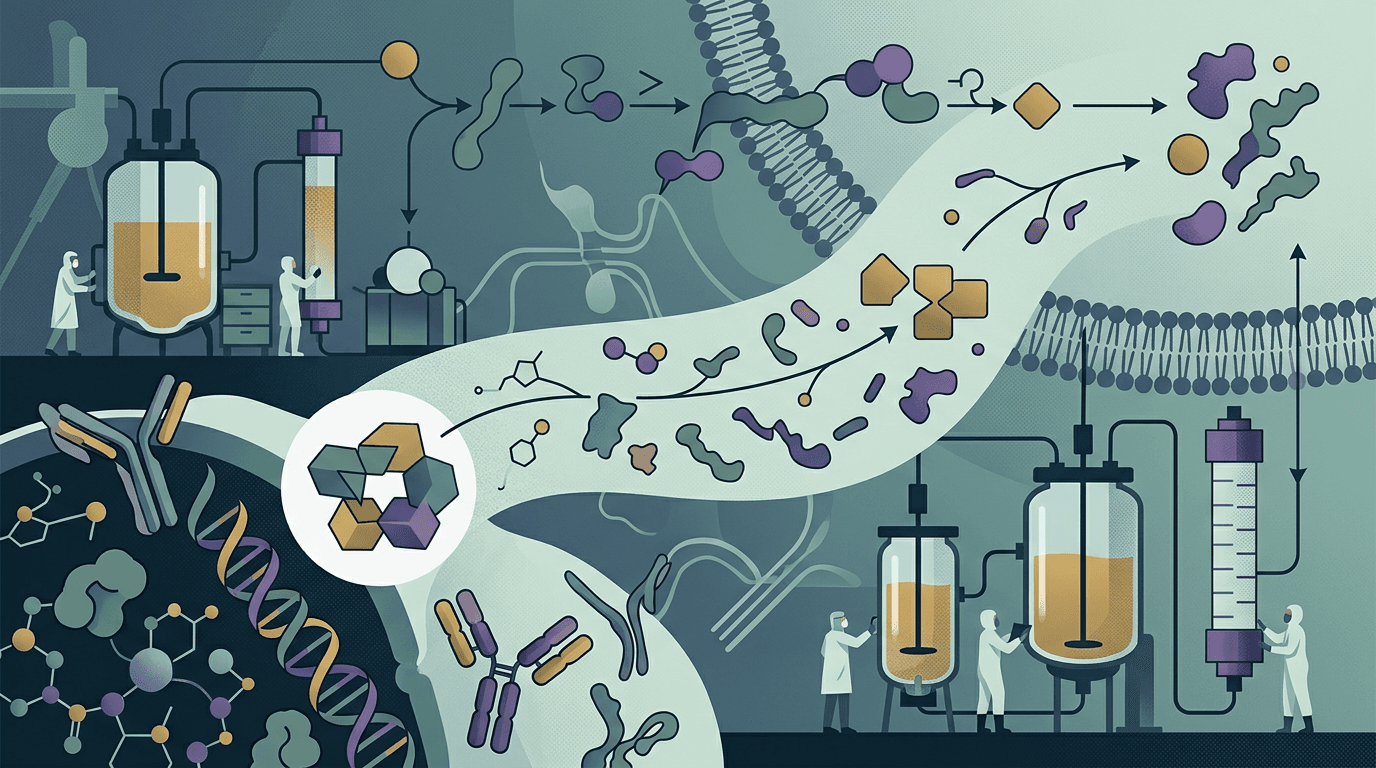
For U.S. biotechs that rely on Chinese contract manufacturers, the implications are painful. Switching manufacturers for a biologic drug isn't like changing suppliers for office paper. It can take one to three years of validation, cell banking, and scale-up. Small biotechs will feel the squeeze hardest.
But the legislation hasn't slowed the licensing frenzy one bit. In fact, 2026 deals are running at a pace that could shatter last year's record. Western pharma appears to have made a calculation: the drugs are too good, the need too urgent, and the pipeline gaps too wide to walk away.
The Bigger Picture
What's unfolding is a fundamental rewiring of how the world discovers and develops medicine. For 30 years, the innovation pipeline flowed in one direction: out of Boston, San Francisco, and Basel. Now it increasingly runs through Shanghai, Suzhou, and Nanjing.
China had 35 licensing deals worth $1 billion or more in 2025. The U.S. had 33 or 34. The student has matched the teacher, and on some metrics, passed them.
The National Security Commission's recommended response (a coordination office in the White House, massive federal investment, allied partnerships, workforce development) reflects the scale of the challenge. More than a dozen of their 49 recommendations were already enacted in the FY2026 defense bill, covering everything from biomanufacturing to data security.
But policy moves slowly. Drug licensing moves fast. And right now, every major pharma company on the planet is picking up the phone when a Chinese biotech calls.
The question isn't whether China has arrived in biopharma. It's whether anyone else can keep up.
Clinical & Regulatory
4 min read
Pfizer Just Crashed the Hardest Party in Hemophilia
Pfizer just won EU approval to treat the hardest cases in hemophilia: patients whose immune systems attack their own medication. The Phase 3 data showed a 93% drop in bleeding, and the competitive implications are fascinating.