
UCB is spending up to $1.15 billion on Neurona Therapeutics and its lab-grown brain cell therapy for drug-resistant epilepsy. The early clinical data is stunning, but the real test is just getting started.
Imagine your brain's electrical system has a broken fuse box. Sparks fly constantly, causing seizures that no amount of medication can stop. Now imagine someone could implant new fuses, grown in a lab, that actually integrate into the wiring and calm things down.
That's the pitch behind Neurona Therapeutics. And Belgian pharma giant UCB just bought it for up to $1.15 billion.
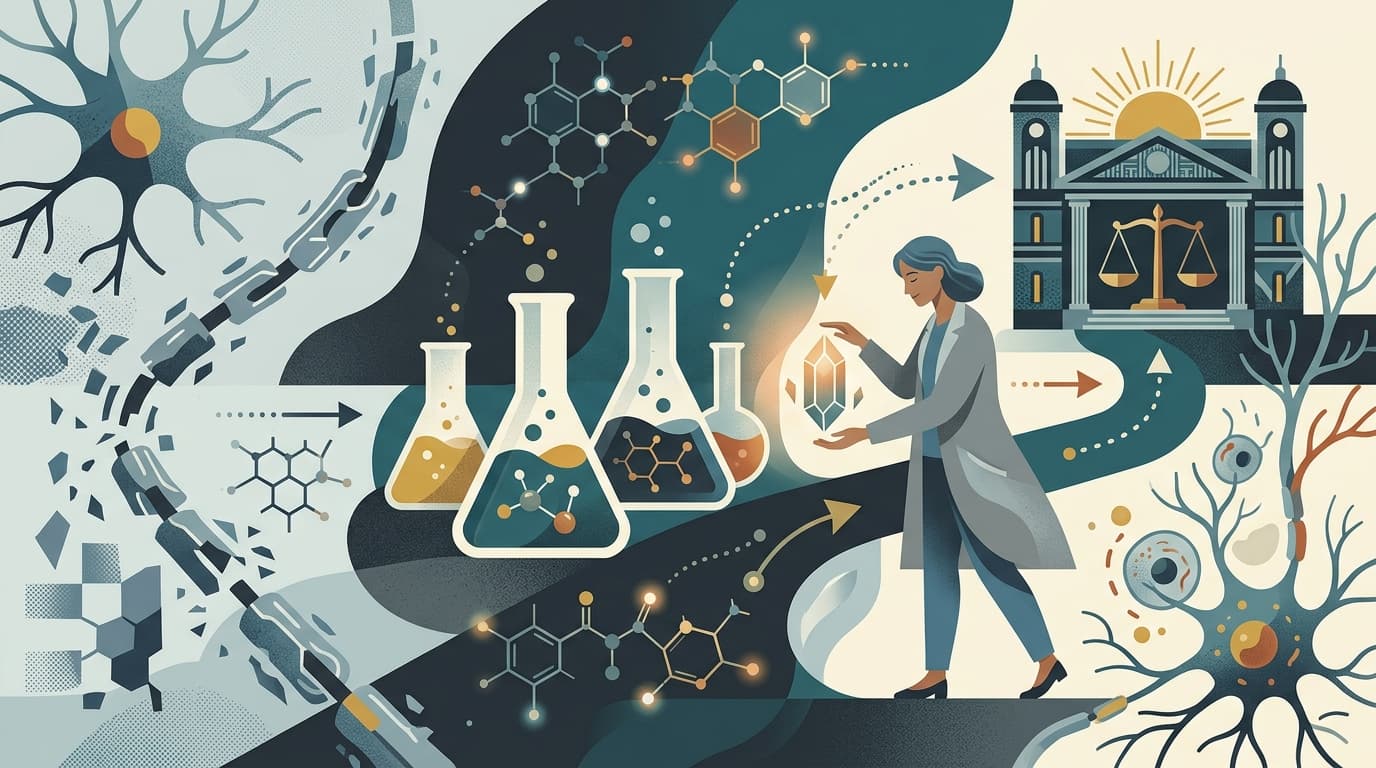
The deal, which closed on June 2, gives UCB full ownership of Neurona's lead therapy: a one-time injection of lab-grown brain cells designed to treat epilepsy that refuses to respond to drugs. It's audacious. It's expensive. And it might just be the future of neurology.
The centerpiece is NRTX-1001, an allogeneic cell therapy (meaning it uses donor-derived cells, not the patient's own) made from stem cell-derived inhibitory neurons. These are a specific type of brain cell called GABAergic interneurons, which act like the brain's natural brakes. In many people with drug-resistant epilepsy, especially a common form called mesial temporal lobe epilepsy (MTLE), those brakes are worn out or missing entirely.
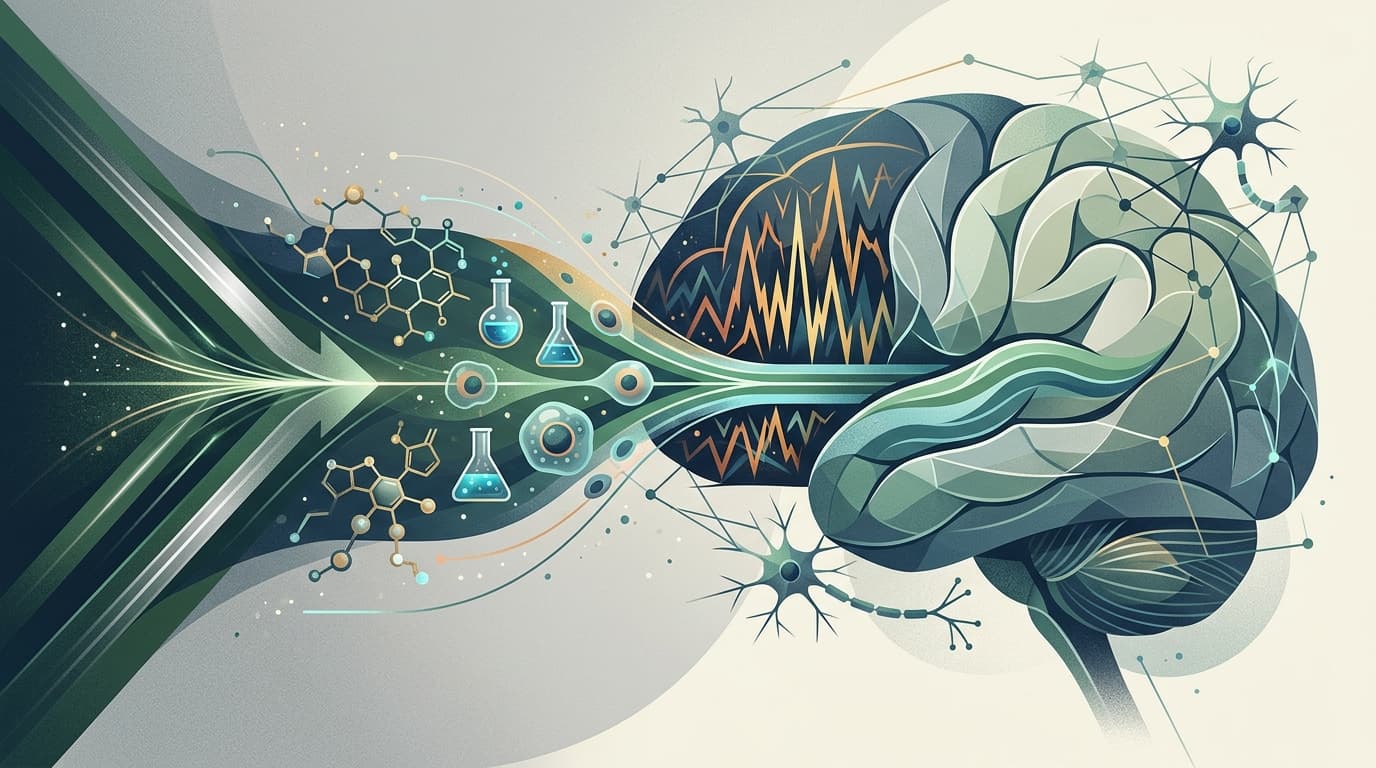
NRTX-1001 is designed to replace them. A neurosurgeon delivers the cells through a minimally invasive procedure into the hippocampus, the brain region where seizures originate. The transplanted neurons then (ideally) integrate into the existing circuitry, form new connections, and restore the inhibitory balance that keeps electrical activity in check.
Think of it like replanting trees in a deforested hillside. The trees don't just sit there; they put down roots, stabilize the soil, and prevent mudslides. That's the theory with these cells: they don't just suppress symptoms temporarily like a pill does. They rebuild the network.
The deal structure tells you a lot about the risk profile. UCB is paying $650 million in cash upfront, which is real, right-now money. The remaining $500 million is split into milestones: $200 million if the FDA approves NRTX-1001, and up to tied to commercial sales targets.

For the first time ever, a drug has been approved specifically to slow disability in progressive MS patients who don't have relapses. Sanofi's Cenrifki just rewrote the treatment playbook for hundreds of thousands of patients who had zero options, but a liver safety signal already killed its chances in the US.


Join thousands of biotech professionals who start their day with our free, daily briefing.

That's a hefty upfront for a Phase 1/2 asset (the therapy hasn't entered a large, controlled pivotal trial yet). UCB paid a premium, but structured it so that the really big checks only get written if the science actually works.
UCB says its 2026 revenue guidance stays unchanged, and adjusted profitability should still grow in the high single-digit to mid-teens range. Translation: this acquisition won't blow a hole in their financials, even if it takes years to pay off.
Here's where it gets interesting. NRTX-1001 has only been tested in 18 patients across an open-label Phase 1/2 trial. No placebo group, no blinding. In the world of clinical evidence, this is a sketch on a napkin, not a finished painting.
But the sketch is really compelling.
In the low-dose group (five patients), the median reduction in disabling seizures was 92% during the primary evaluation window. After month 13, that number climbed to 97%. Four out of five patients maintained durable seizure control 18 to 24 months after a single treatment, even after they stopped taking immunosuppressive drugs.
The high-dose group, with less follow-up time, showed a 72% median reduction in disabling seizures by months four through nine. And across the entire trial, there were zero treatment-related serious adverse events. No cognitive decline. Quality of life scores improved significantly.
For a population where "drug-resistant" means years of failed medications, those numbers are remarkable. But they come with a massive asterisk: open-label trials can't rule out placebo effects or statistical flukes. The real test comes in Phase 3, which UCB plans to launch in 2026.
About 30% of epilepsy patients are drug-resistant. Their seizures persist despite trying multiple medications. For many, the only option is brain surgery: removing or destroying the tissue where seizures start. That works reasonably well, but it's irreversible, carries cognitive risks, and isn't feasible for everyone.
NRTX-1001 sits in an appealing middle ground. It's less destructive than resection (no tissue is removed), potentially longer-lasting than drugs, and targets the actual biological defect rather than just dampening symptoms. The FDA seems to agree this is worth fast-tracking; NRTX-1001 received RMAT designation (Regenerative Medicine Advanced Therapy) in June 2024 and EMA PRIME designation in November 2025. Both are regulatory signals that say, "We think this could address a serious unmet need."
This isn't UCB's first move in epilepsy. Far from it. The company already sells Briviact (brivaracetam), which brought in roughly €686 million last year with 19% growth. It acquired Zogenix for about $1.9 billion to get Fintepla, a treatment for rare and severe epilepsies like Dravet syndrome. It has Staccato alprazolam in development for acute seizure rescue.
But all of those are fundamentally symptom-management tools. Neurona represents something different: a bet that the future of epilepsy treatment isn't better pills, but actual circuit repair. UCB is essentially building a two-track strategy. Defend and grow the current drug portfolio in the near term, while placing long-horizon bets on regenerative approaches that could define the 2030s.
KBC Securities, which rates UCB a Buy with a €284 price target, called the Neurona deal UCB's "first steps into regenerative cell therapies." That framing matters. This isn't being positioned as a one-off purchase; it's a platform play.
Let's not sugarcoat this. Cell therapies for the brain are uncharted territory in commercial medicine. Manufacturing living neurons at scale is extraordinarily complex. Convincing epileptologists and neurosurgeons to adopt a brand-new procedural therapy takes time and trust. Payers will want years of durability data before writing big reimbursement checks for a one-time treatment.
And the clinical journey is far from over. Phase 3 needs to show robust, durable seizure reduction in a controlled setting with a much larger patient group. Long-term safety questions (graft survival, potential tumor risk, effects beyond two years) remain open. Integration risk is also real: folding a roughly 100-person San Francisco biotech into a global Belgian pharma operation is never seamless.
UCB is making one of the most ambitious bets in neuroscience right now. If NRTX-1001 works in Phase 3 the way it's worked in 18 patients, it could fundamentally change how we treat drug-resistant epilepsy, shifting from chronic symptom suppression to one-and-done circuit repair.
That's a big "if." But for a company that's built its identity around epilepsy and neurology, it's exactly the kind of swing you'd expect. The brain's fuse box has been broken for millions of patients. UCB just bet a billion dollars it can fix it.
Moderna just entered the in vivo CAR-T race with a plan to reprogram your immune cells using a simple injection. If it works, it could turn autoimmune disease treatment from a million-dollar ordeal into something your local clinic could offer.