
Novo Nordisk just dropped $1.4 billion on a macrocycle startup days after another billion-dollar delivery deal. The injection giant is betting its future on pills, and the reason has everything to do with Eli Lilly.
Novo Nordisk built an empire on needles. Weekly injections of semaglutide (better known as Ozempic and Wegovy) turned the Danish pharma into one of the most valuable companies on Earth. But empires built on one thing tend to get nervous about that one thing. And right now, Novo is very, very nervous about needles.
The company just signed a deal worth up to $1.4 billion with Orbis Medicines, a Danish biotech startup, to develop oral drugs for cardiometabolic diseases. The structure is classic Big Pharma: an undisclosed upfront payment, development and regulatory milestones that stack up to the headline number, tiered royalties on future sales, and a separate strategic equity investment in Orbis (also undisclosed).
That's a lot of money for a discovery-stage partnership. No named targets. No clinical candidates. Just a platform and a promise. So why is Novo writing this check?
Because this is the second major drug-delivery deal Novo has done in a matter of days.
Just before the Orbis announcement, Novo locked in an exclusive global license with Swedish company Nanexa worth up to €1.165 billion. That deal focuses on Nanexa's PharmaShell technology, which uses atomic layer deposition (think: coating drug particles at the atomic level) to enable monthly or even quarterly dosing for obesity and diabetes therapies.
So in roughly the same week, Novo committed well over $2.5 billion in potential deal value across two partnerships. One targets oral delivery. The other targets long-acting injectables. Both share a single strategic obsession: making cardiometabolic drugs easier and less frequent to take.
This isn't casual dealmaking. This is a company reshaping how its next generation of therapies gets into patients' bodies.
Orbis Medicines operates a platform called nGen, which is essentially a drug discovery factory built around macrocycles. If that word means nothing to you, think of macrocycles as molecules that sit in a sweet spot between traditional small-molecule pills and large injectable biologics. They're ring-shaped compounds that can bind to tricky biological targets (like biologics do) while still being small enough to survive your digestive system (like pills do).

Eli Lilly just agreed to pay up to $2.875 billion for a four-year-old biotech with one Phase 1 drug and zero revenue. The deal is the latest in Lilly's multi-billion-dollar immunology shopping spree, and it says a lot about where big pharma thinks the next blockbusters will come from.


Join thousands of biotech professionals who start their day with our free, daily briefing.
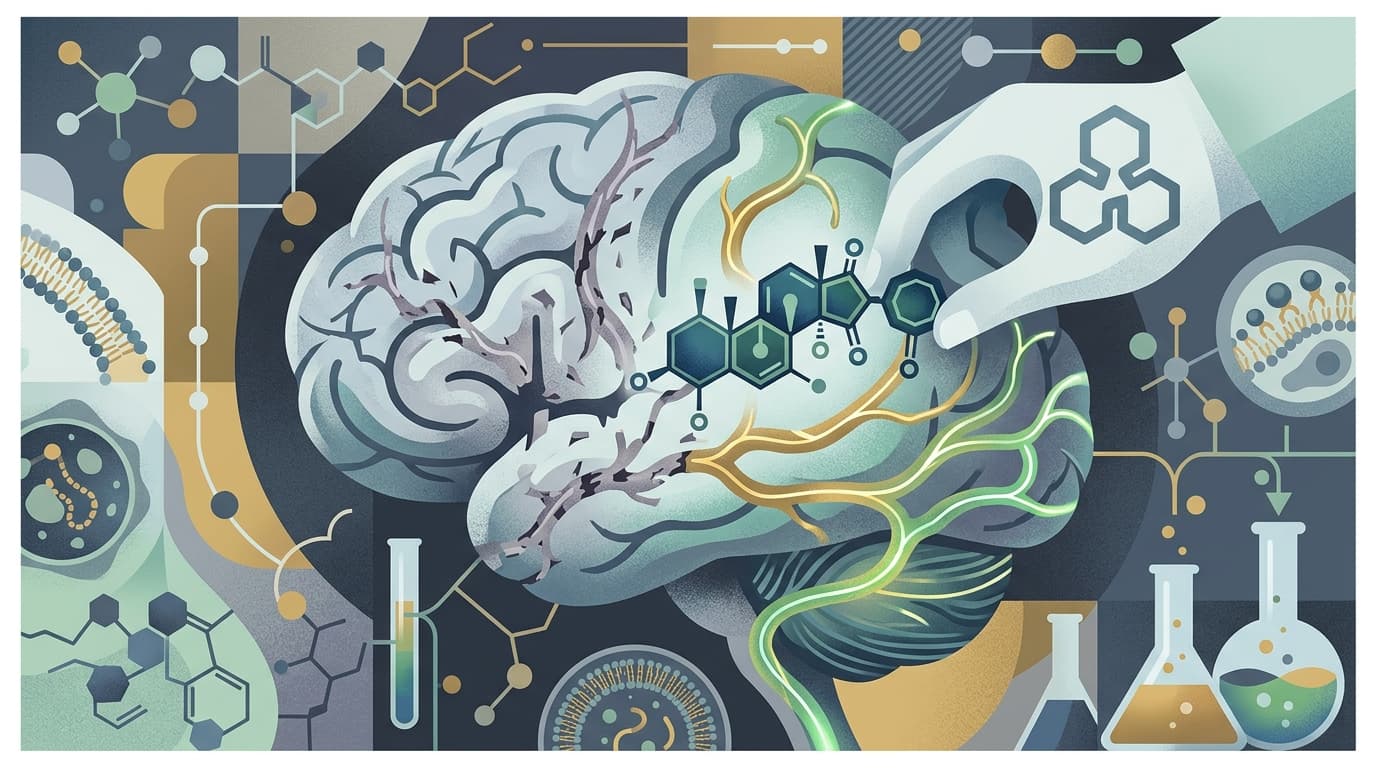
The challenge with macrocycles has always been getting them to absorb well after you swallow them. Orbis says its synthetic macrocycles, called nCycles, are designed specifically for oral bioavailability and membrane permeability, meaning they can cross the gut wall and reach their targets. In preclinical studies, Orbis has reported oral bioavailability of up to 18%, which may sound low but is actually impressive for this class of molecule.
The nGen platform combines generative AI, massive chemical libraries, and high-throughput automated synthesis. Orbis says it can produce up to 100,000 distinct synthetic macrocycles in weeks, then screen them rapidly and feed the results back into the AI to refine the next batch. It's a lab-in-a-loop system designed for speed.
For Novo, the appeal is clear: Orbis's platform could help turn targets that currently require injections into pills. That's the holy grail of the obesity and cardiometabolic space.
Novo isn't starting from zero on oral drugs. Its oral semaglutide 25 mg program for obesity is already at the phase 3/regulatory submission stage. Behind that sits oral amycretin (zenagamtide), a dual GLP-1 and amylin receptor agonist that entered phase 3 for weight management in early 2026. Amycretin is the next-generation candidate, attacking obesity through two pathways instead of one.
The oral semaglutide program relies on a technology called SNAC, an absorption enhancer that helps peptides survive the stomach. The Orbis deal represents a completely different approach: macrocycles that are inherently designed for oral delivery, no absorption enhancer needed.
In other words, Novo is running a three-lane highway toward oral cardiometabolic drugs. Near-term oral GLP-1. Medium-term oral dual agonist. Long-term oral macrocycles from Orbis. If one lane hits a roadblock, the others keep moving.
All of this urgency makes more sense when you look across the competitive landscape. Eli Lilly's oral obesity drug orforglipron has become the benchmark that everyone in the industry is watching. Lilly is pushing hard into oral formulations, and analysts have started describing Novo's oral cardiometabolic efforts as portfolio defense rather than a decisive offensive move.
There's also an awkward wrinkle: Eli Lilly is reportedly among Orbis Medicines' existing stakeholders. So Novo just partnered with a company partly backed by its biggest rival. Biotech dealmaking is a small world.
Analysts have been cautiously positive on the Orbis deal, calling it strategically smart but noting it's early-stage and won't move the revenue needle anytime soon. BMO analyst Evan Seigerman has described Novo's broader 2030 outlook as underwhelming, arguing that revenue growth guidance was already priced in and that management still needed to prove execution.
The consensus view: the Orbis partnership is a defensive, long-term pipeline bet, not a near-term game-changer against Lilly.
Zoom out, and something bigger is happening. The cardiometabolic market is entering a new phase where delivery technology is becoming as important as the drug itself. Patients don't want weekly injections if a pill works. Payers don't want to cover expensive biologics if an oral alternative exists. And pharma companies that can't offer convenient dosing options will lose market share, even if their molecules are scientifically superior.
Novo's back-to-back deals signal that the oral formulation race isn't a sideshow; it's becoming the main event. Macrocycles, absorption enhancers, long-acting depots: every major player is now investing heavily in how drugs get delivered, not just what they do once they arrive.
For a company that became a giant by perfecting the injectable GLP-1, the pivot is striking. Novo Nordisk is spending billions to make sure its future doesn't depend on a needle. Whether Orbis's macrocycles actually produce a marketable pill is years away from being answered. But the strategic direction is unmistakable: the age of the cardiometabolic injection may have an expiration date, and Novo wants to be the one writing it.
Eli Lilly just got FDA approval for a breast cancer combo that targets a specific gene mutation making tumors resistant to hormone therapy. It's a precision medicine win, a shot across AstraZeneca's bow, and a key piece of Lilly's plan to prove it's more than just the GLP-1 company.