
Novartis's $12 billion Avidity Biosciences acquisition just hit a wall: the pivotal Phase 3 trial for del-desiran in myotonic dystrophy missed its primary endpoint. Shares dropped 10%, analysts are slashing forecasts, and the biggest RNA muscle-targeting bet in biotech history is suddenly on shaky ground.
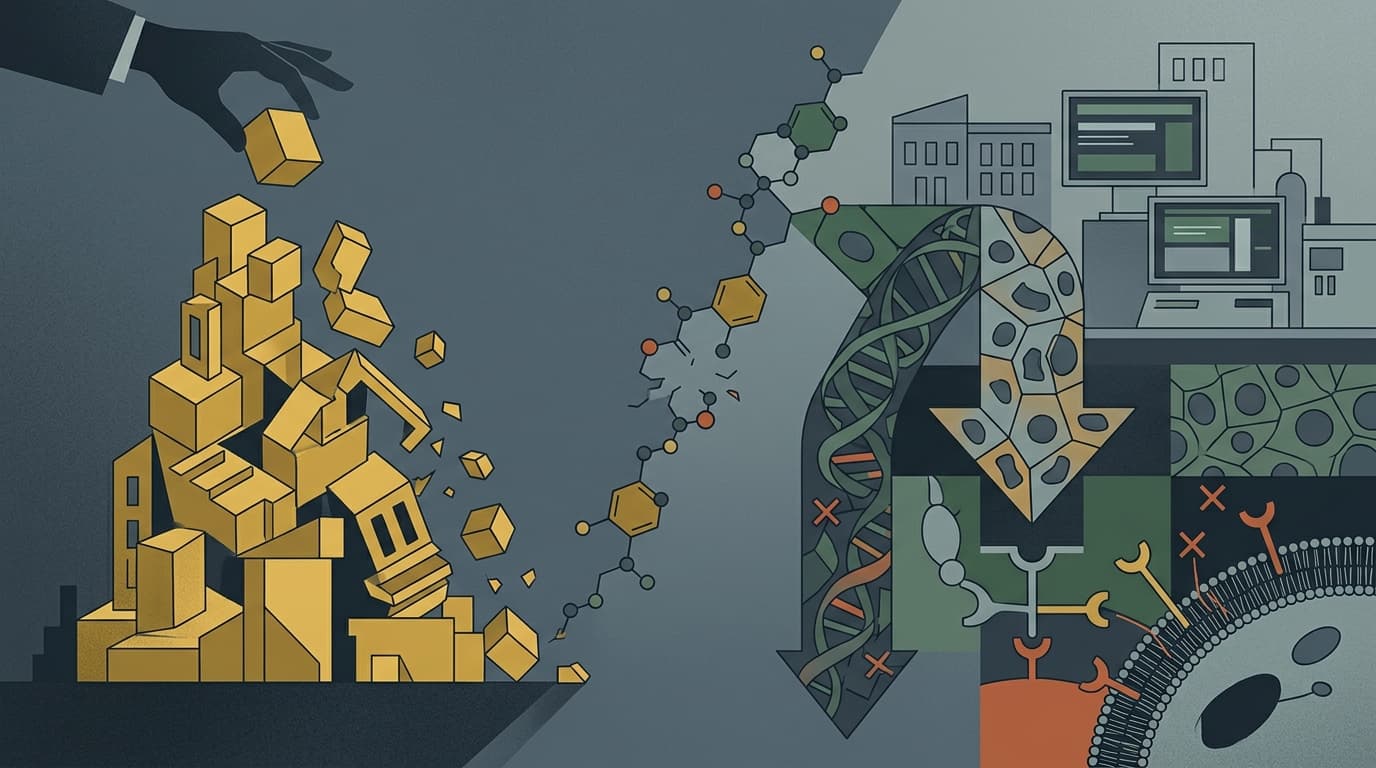
Imagine buying a house for $12 billion, sight mostly unseen, because the blueprints looked incredible. Then the foundation cracks six months after you move in.
That's roughly what just happened to Novartis. The Swiss pharma giant's Phase 3 HARBOR trial for del-desiran, the crown jewel of its $12 billion Avidity Biosciences acquisition, missed its primary endpoint. The drug failed to show a meaningful benefit over placebo in patients with myotonic dystrophy type 1 (DM1), a rare muscle-wasting disease that causes progressive weakness and stiffness.
Novartis shares dropped as much as 10% in Zurich on the news. And the timing couldn't be worse: this is reportedly the company's second major pipeline setback in a single week.
Del-desiran was designed to treat DM1 using Avidity's novel technology called antibody oligonucleotide conjugates, or AOCs. Think of AOCs like guided missiles for RNA medicine. Traditional RNA therapies are great at reaching the liver, but getting them to muscle tissue has been one of biotech's toughest delivery problems. Avidity's platform attaches RNA drugs to antibodies that target a receptor on muscle cells (called TfR1), essentially giving the medicine a GPS for skeletal muscle.
The HARBOR trial enrolled roughly 150 to 159 patients and measured something called video hand-opening time, or vHOT. In simple terms: how quickly can patients open a clenched fist? For people with DM1, that basic motion becomes agonizingly slow as the disease progresses. Patients on del-desiran did not open their hands significantly faster than those on placebo.
That's a clean miss. No amount of statistical gymnastics can dress it up.
Novartis announced the Avidity deal in October 2025, paying $72 per share in cash. That represented a 46% premium over Avidity's stock price at the time. The acquisition closed in February 2026, after Avidity spun off its early-stage cardiology programs into a separate entity.

Novo Nordisk's STEP Young trial showed 40% of children as young as six were no longer classified as obese after 68 weeks on semaglutide, while zero on placebo crossed that line. The results are forcing a reckoning over GLP-1 drugs in elementary schoolers, and the insurance fights haven't even started yet.


Join thousands of biotech professionals who start their day with our free, daily briefing.
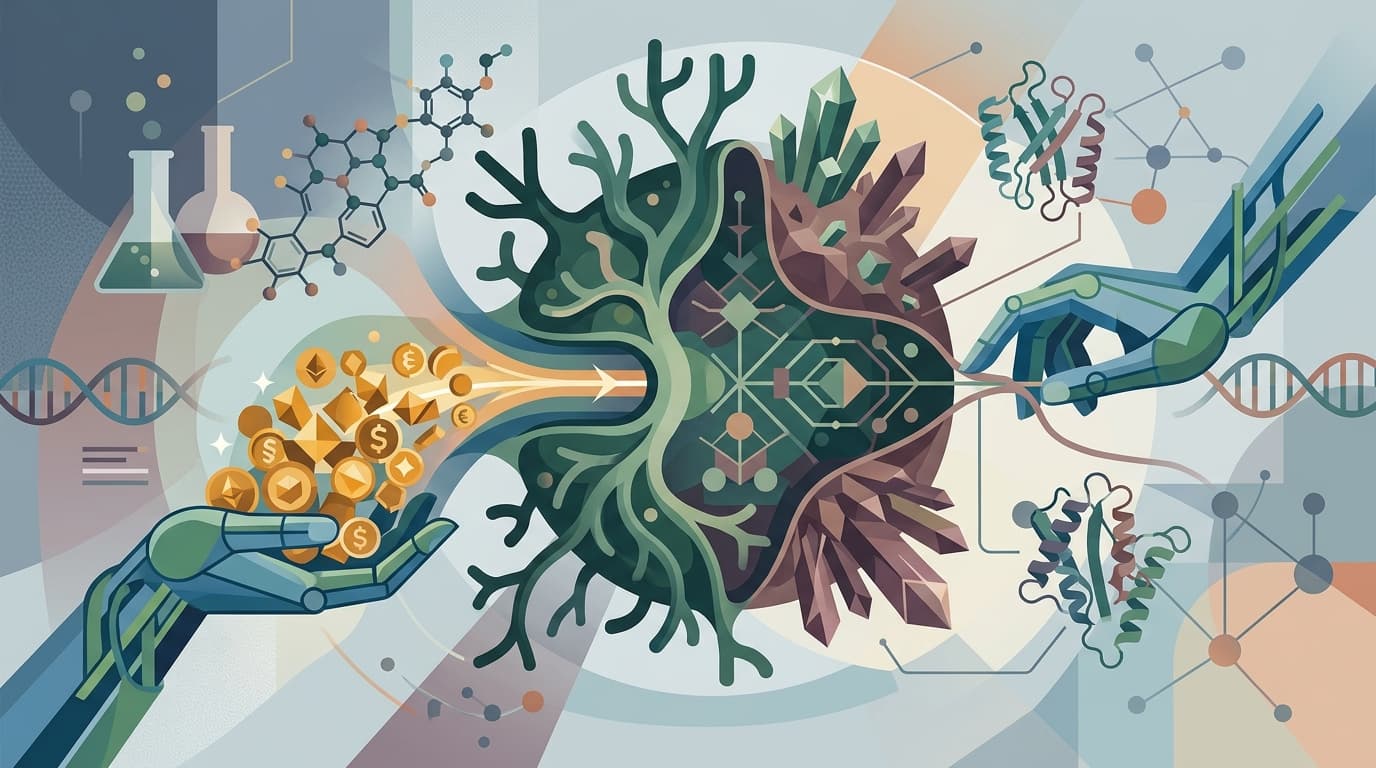
The strategic logic was compelling on paper. Novartis was buying not just one drug, but an entire platform for delivering RNA therapies to muscle. The company's own projections suggested the Avidity portfolio could bump its 2024–2029 sales growth rate from 5% to 6% annually. Analysts at Vontobel had modeled del-desiran alone reaching $3 billion in peak annual sales.
That $3 billion assumption? Vontobel just removed it from their model entirely. Analyst Stefan Schneider said the result "further weakened confidence" in the other therapies Novartis gained through the deal. Vontobel cut its Novartis price target from 128 to 125 Swiss francs and kept a hold rating.
Guggenheim Securities had previously warned that del-desiran's success was "crucial" for validating the entire Avidity acquisition. That word, "crucial," looks prophetic now.
This isn't happening in a vacuum. Novartis has been on an acquisition spree, building its pipeline through deals the way a fantasy football manager builds a roster through trades. Since 2023, the company has picked up Chinook Therapeutics (about $3.5 billion), MorphoSys (roughly €2.7 billion), Anthos Therapeutics (up to $3.1 billion), and several smaller bolt-ons.
CEO Vas Narasimhan has been consistent about the strategy: target assets that can launch within five years, with a preference for deals under $2 billion. The Avidity acquisition was the glaring exception, a supersized bet on a platform rather than a single product.
Bloomberg Intelligence noted that the HARBOR failure now adds pressure on Narasimhan to clarify growth expectations at the company's November investor meeting. Analysts are also questioning whether Novartis's deal-making quality can hold up as the company faces what Bloomberg described as the biggest patent cliff in its history.
When your largest acquisition stumbles this quickly, every future deal gets scrutinized more harshly. That's the hidden cost here.
Before we write the obituary for Avidity's platform, some context is important. Del-desiran was the flagship, but it wasn't the only ship in the fleet.
Avidity's FSHD program (del-brax) actually delivered good news recently. In June 2026, the FORTITUDE Phase 1/2 study met its primary and key secondary biomarker endpoints, showing meaningful reductions in disease-related biomarkers. FSHD is facioscapulohumeral dystrophy, another rare muscle disease, and this data suggests the AOC delivery platform itself still works. The problem with del-desiran may have been specific to the drug or the DM1 indication rather than a fundamental flaw in the technology.
There's also del-zota, Avidity's Duchenne muscular dystrophy program, which had been tracking toward a potential regulatory filing. Whether Novartis still pursues that timeline aggressively remains to be seen.
Novartis isn't the only company chasing muscle-targeted RNA therapies. Dyne Therapeutics has its own Phase 3 trial (called HARMONIA) running in DM1 with roughly 150 patients, using a different muscle-targeting approach. Sarepta Therapeutics is earlier in the game, testing peptide-conjugated RNA drugs in both DM1 and FSHD, with first-in-human data showing about a 50% reduction in the problematic DMPK RNA in early studies.
Del-desiran's failure doesn't mean DM1 is untreatable. It means the first serious attempt at a pivotal trial in muscle-targeted RNA came up short. Competitors will study the HARBOR results carefully, trying to understand whether the endpoint was wrong, the drug was insufficient, or the disease is harder to move than anyone thought.
Novartis now faces an uncomfortable stretch. The company needs to decide how aggressively to invest in Avidity's remaining programs while restoring investor confidence that was already fragile. The del-brax FSHD data provides some cover, but "our $12 billion deal still has a Phase 1/2 program that hit biomarker endpoints" is a tough sell to shareholders who were expecting a blockbuster.
The November investor meeting will be the real test. Narasimhan will need to articulate a growth story that doesn't lean so heavily on acquired pipelines that haven't yet proven themselves in pivotal trials. And he'll need to do it while every analyst in the room is doing mental math on the Avidity write-down that may or may not be coming.
For the broader RNA muscle-targeting field, the stakes are just as high. If the delivery technology works (and the del-brax data suggests it can), then this failure is a setback, not an ending. But if it turns out that getting RNA drugs to muscle is easier in theory than in practice, a lot of expensive bets across the industry just got riskier.
Twelve billion dollars buys a lot of things. Certainty, apparently, isn't one of them.
A Shanghai biotech just reported 100% remission rates in sickle cell and β-thalassemia patients across four continents, using a gene editor that doesn't cut DNA. The results could reshape the competition with first-generation CRISPR therapies.