
J&J's nipocalimab just scored its fifth FDA Fast Track designation, this time for lupus. It works by blocking the receptor that keeps harmful autoantibodies alive, and the Phase 2 data suggest it could finally help patients escape the steroid trap that defines current treatment.
Lupus is the autoimmune disease that Hollywood loves to joke about ("it's never lupus") but patients absolutely do not find funny. About 3 to 5 million people worldwide live with systemic lupus erythematosus (SLE), and achieving the holy grail of treatment — lasting remission without steroids — remains elusive for most. Johnson & Johnson just got a green light to try to change that.
On March 3, the FDA granted Fast Track designation to nipocalimab for treating adults with SLE. That's the agency's way of saying: "This looks promising, and the need is urgent. Let's speed things up." It's also the fifth Fast Track designation nipocalimab has earned across different diseases, which is starting to feel less like a drug and more like a Swiss Army knife.
To understand why nipocalimab matters, you need to understand one weird quirk of human biology.
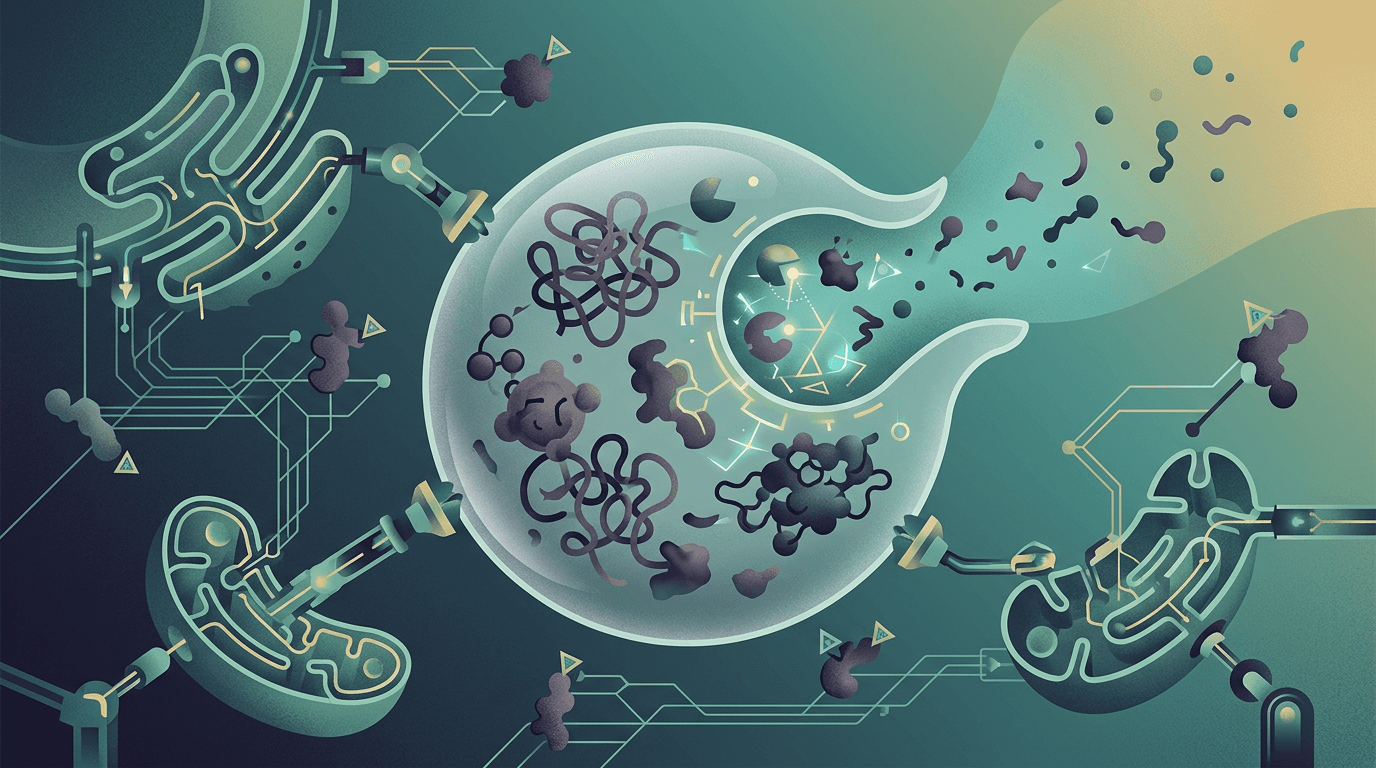
Your body has a receptor called FcRn (neonatal Fc receptor, if you want the full name) that acts like a bouncer at a nightclub. Its job is to grab IgG antibodies, the workhorses of your immune system, and recycle them back into your bloodstream instead of letting them get destroyed. Normally, this is great. Antibodies last longer, and your immune system stays strong.
But in lupus, the system goes haywire. Your body produces autoantibodies, rogue IgG molecules that attack your own tissues: kidneys, skin, joints, brain. And FcRn dutifully recycles those bad actors right along with the good ones. It's like a recycling plant that can't tell the difference between clean water and toxic waste; it just keeps pumping everything back into the supply.
Nipocalimab blocks FcRn. When FcRn can't do its recycling job, IgG antibodies (including the harmful autoantibodies) get broken down instead of preserved. Think of it as cutting the power to that recycling plant. The toxic waste finally gets disposed of.
What makes this clever is the selectivity. Nipocalimab was engineered to avoid triggering broader immune reactions, so it doesn't carpet-bomb your entire defense system the way some immunosuppressants do. It just stops the recycling.

The FDA just proposed letting biosimilar developers skip expensive U.S.-only comparison studies, potentially saving $20 million per program. Combined with other recent reforms, this could cut total development costs in half and reshape competition for blockbuster biologic drugs.


Join thousands of biotech professionals who start their day with our free, daily briefing.
The Fast Track nod came on the strength of the Phase 2b JASMINE trial, a 52-week study that enrolled 228 adults with active SLE across multiple centers. The trial was randomized, double-blind, and placebo-controlled: the gold standard of clinical research.
The headline result? Nipocalimab hit its primary endpoint. Significantly more patients on the drug achieved what's called an SRI-4 response (a composite score measuring reduced lupus activity) at week 24, compared to placebo. The trial also met multiple secondary endpoints, including measures of steroid-sparing potential, meaning patients could reduce their dependence on corticosteroids.
That steroid-sparing piece is a bigger deal than it sounds. Current lupus guidelines recommend tapering prednisone to under 5 mg per day within six months because long-term steroid use causes its own cascade of damage: bone loss, cardiovascular problems, infections, weight gain. But in the real world, doctors struggle to get patients off steroids because there aren't enough alternatives that actually control the disease. It's a trap: the treatment you need is also slowly hurting you.
JASMINE was also the first positive study of an FcRn blocker in SLE, which matters for the broader science. It validates a completely different approach to treating lupus, one that goes after the root cause (pathogenic antibodies sticking around too long) rather than broadly suppressing immunity.
Lupus is where drug candidates go to die. The disease is wildly heterogeneous: it can attack virtually any organ, flare unpredictably, and look completely different from one patient to the next. Designing a clinical trial for SLE is like trying to hit a moving target while blindfolded.
Only two biologics have managed to get approved for non-renal SLE: belimumab (which blocks a B-cell survival factor) and anifrolumab (which blocks type I interferon signaling). That's it. Two biologics for millions of patients.
The competitive landscape is heating up, though. Roche's obinutuzumab posted strong Phase 3 data (76.7% response rate vs. 53.5% for placebo at week 52). There's also cenerimod, an oral option targeting a different pathway. But nipocalimab's FcRn-blocking mechanism is genuinely novel in this space, and its steroid-sparing profile could be a meaningful differentiator.
What makes nipocalimab unusual isn't just the SLE data. It's the sheer breadth of the program.
J&J acquired nipocalimab through its $6.5 billion purchase of Momenta Pharmaceuticals back in 2020, and they've been running it hard ever since. The drug is already FDA-approved for generalized myasthenia gravis, a neuromuscular autoimmune disease. It has Breakthrough Therapy designations for hemolytic disease of the fetus and newborn (HDFN) and Sjögren's disease. It's in Phase 3 for warm autoimmune hemolytic anemia. It's being studied in pregnancy-related conditions and chronic inflammatory demyelinating polyneuropathy.
J&J has described nipocalimab as a "pipeline in a product," which is corporate-speak for "we think this one drug can treat a dozen diseases." Bold claim. But five Fast Track designations, two Breakthrough Therapy designations, and an already-approved indication suggest it's not just hype.
J&J is now actively enrolling the Phase 3 GARDENIA study in adults with active SLE. This is the trial that will determine whether nipocalimab actually makes it to market for lupus. Phase 2 results are encouraging, but the graveyard of SLE drug development is full of therapies that looked good in Phase 2 and collapsed in Phase 3.
Still, the biology is compelling. Lupus is fundamentally an autoantibody-driven disease, and nipocalimab goes directly after the mechanism that keeps those autoantibodies alive. If GARDENIA confirms what JASMINE showed, lupus patients could get a genuinely new kind of treatment: one that addresses root causes while helping them escape the steroid trap that defines current care.
For a disease that's been underfunded, undertreated, and under-joked-about for decades, that would be no small thing.
Eikon Therapeutics just pulled off the largest biotech IPO in two years, raising $381 million on a platform that literally watches individual proteins move inside living cells. With Nobel Prize co-founder Eric Betzig and former Merck R&D chief Roger Perlmutter at the helm, the company is betting its cancer pipeline (and a billion-dollar war chest) on seeing biology differently.