
Innate Pharma just walked away from the NK cell engager technology it spent two decades building. With cash running out by Q3 2026 and its ANKET platform reduced to a single preclinical asset, the Marseille biotech is betting everything on three surviving programs.
For over two decades, Innate Pharma was the NK cell company. Founded in 1999 in Marseille, the French biotech built its entire identity around natural killer cells, the immune system's first responders that patrol the body looking for cancer to destroy. Its proprietary ANKET platform (Antibody-based NK cell Engager Therapeutics) was supposed to be the crown jewel: a way to redirect those killer cells toward tumors with precision-guided antibodies.
Now the company is walking away from it.
Innate announced this week that it's discontinuing its IPH6501 NK cell engager, a tetraspecific antibody being tested in a Phase 1/2 trial for B-cell non-Hodgkin lymphoma. The company had planned to enroll up to 184 patients across the U.S., Australia, and France as recently as November. The dose escalation portion was already complete. Data will apparently still be presented later this year, but the program itself? Dead.
The news dropped alongside Innate's full-year 2025 financial results, which is the corporate equivalent of burying bad news in a Friday afternoon press dump. And IPH6501 isn't the only casualty. Sanofi, Innate's biggest partner on NK engagers, previously deprioritized IPH6401, a BCMA-targeting engager it had been developing. Sanofi also handed back the rights to IPH6101, a CD123-targeting drug, in April 2025.
If you're keeping score at home, that means Innate's once-celebrated ANKET platform has essentially one program left standing: IPH62, a preclinical B7-H3-targeting engager that Sanofi still controls. One preclinical asset. That's it. It's like building a restaurant around your famous soufflé recipe, then deciding you'd rather just serve salads.
This isn't a sudden decision. It's the final chapter of a painful pivot that started in 2025, when Innate cut 30% of its workforce and announced it would focus only on its "highest-value assets." The company's cash runway extends to roughly Q3 2026, which means every dollar spent on a speculative program is a dollar not spent on survival.

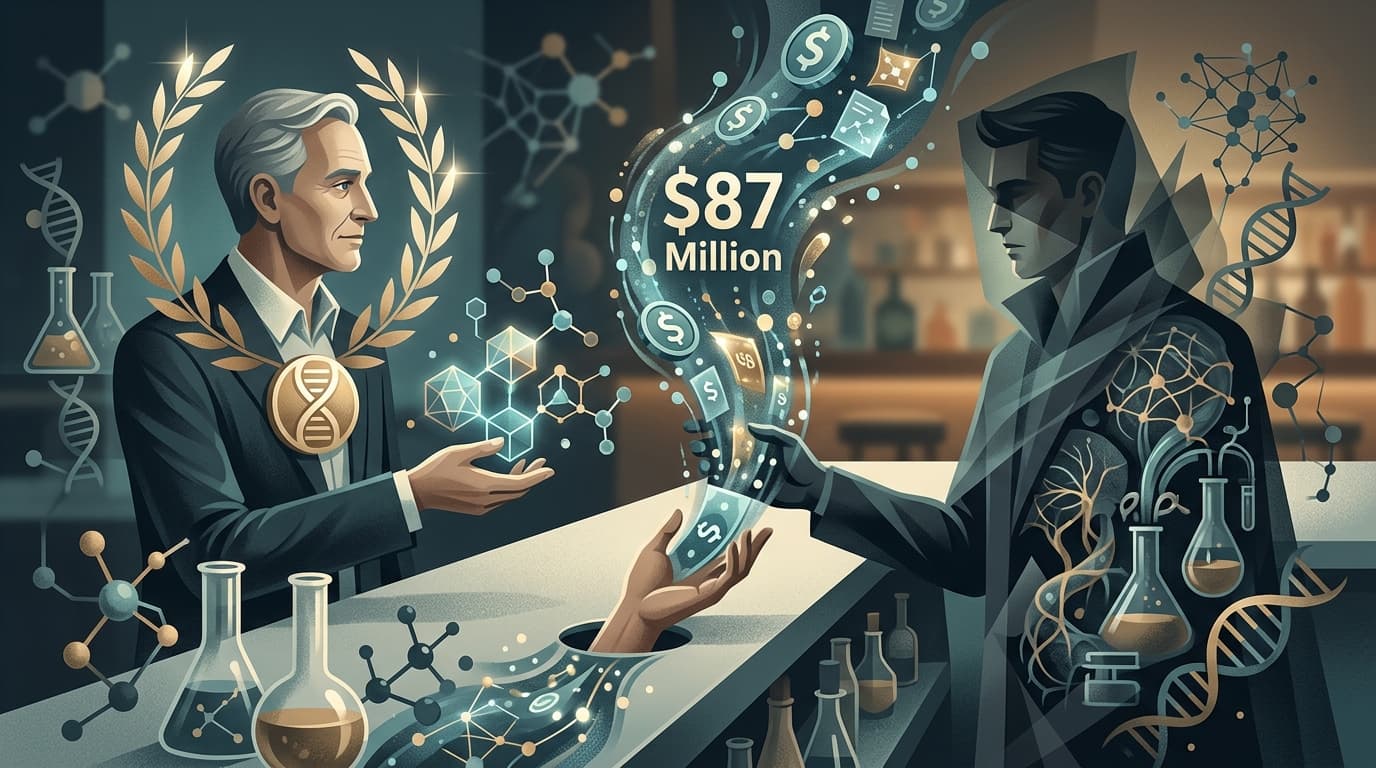
A UK biotech with a Nobel laureate co-founder just emerged from seven years of stealth mode with $87 million and a plan to do what no approved drug can: remove the protein clumps already destroying patients' hearts. The investor syndicate behind the bet is stacked.


Join thousands of biotech professionals who start their day with our free, daily briefing.

And that math gets brutal for small immuno-oncology companies. The NK cell engager space has become wildly competitive. CAR-NK therapies like SENTI-202 are producing complete remissions in acute myeloid leukemia patients. More than 140 companies are now chasing NK cell therapies with over 160 pipeline drugs.
For a cash-strapped biotech in Marseille, trying to out-muscle that crowd with an early-stage engager program is like entering a hot dog eating contest against Joey Chestnut. You might love hot dogs, but the math isn't in your favor.
The company isn't folding; it's reshuffling the deck. Innate is now concentrating on three programs that it believes can actually cross the finish line.
Lacutamab is the headliner. This first-in-class antibody targets KIR3DL2 and is aimed at Sézary syndrome, a rare and aggressive form of cutaneous T-cell lymphoma (a skin cancer driven by rogue T cells). The FDA granted it Breakthrough Therapy Designation in February 2025 based on durable responses and a clean safety profile. Innate is planning to start a Phase 3 confirmatory trial called TELLOMAK-3 in the first half of 2026. For a small company, a breakthrough designation in a rare disease is the closest thing to a golden ticket: faster review, more FDA hand-holding, and a potentially lucrative orphan drug market.
IPH4502 is Innate's antibody-drug conjugate (ADC) targeting Nectin-4, a protein found on several solid tumors. Think of an ADC as a guided missile: the antibody finds the tumor cell, locks on, and delivers a toxic payload directly inside. The Phase 1 trial is enrolling in heavily pre-treated patients, including some with urothelial (bladder) cancer who had previously received Astellas' blockbuster ADC, Padcev. If IPH4502 can show activity in Padcev-resistant patients, that's a compelling story for oncologists and investors alike.
Monalizumab is the partnership play. This anti-NKG2A antibody is being developed with AstraZeneca in the Phase 3 PACIFIC-9 trial for unresectable Stage III non-small cell lung cancer. Enrollment is complete, and high-level results are expected in the second half of 2026. Innate doesn't control this one, but it collects milestone payments, which is exactly what you want when your bank account has an expiration date.
Innate's story is a microcosm of what's happening across small-cap immuno-oncology. The sector's original sin was ambition: companies raised money on the promise that the immune system could be reprogrammed to fight cancer in a dozen different ways, then built sprawling pipelines they couldn't afford to run. Now, with biotech funding still tight and investors demanding discipline, the reckoning is here.
The companies that survive will be the ones willing to kill their darlings. Innate just killed the darling it was named after ("innate" immunity, NK cells, the whole founding thesis). That takes guts, or desperation, or probably both.
The next six months will be telling. Lacutamab's Phase 3 needs to launch on schedule. IPH4502 needs to show real clinical signal. Monalizumab needs to hit in PACIFIC-9. And Innate needs all of this to happen before the cash runs out in Q3 2026.
Three shots on goal with the clock winding down. No room for a miss. Welcome to small-cap biotech in 2026.
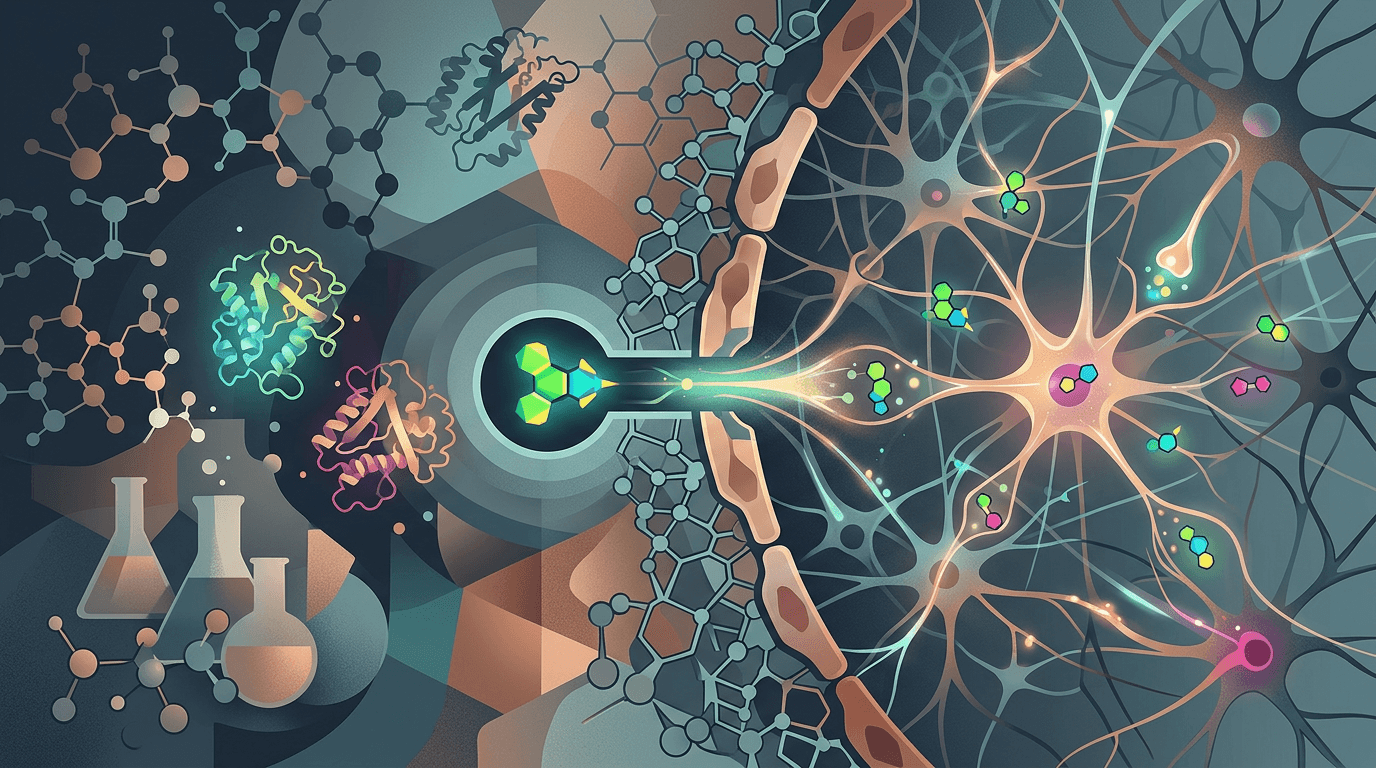
For nearly 20 years, kids with Hunter syndrome had a treatment that couldn't reach their brains. Denali Therapeutics just got FDA approval for Avlayah, the first enzyme therapy that crosses the blood-brain barrier, and it could change the game for rare neurological diseases.