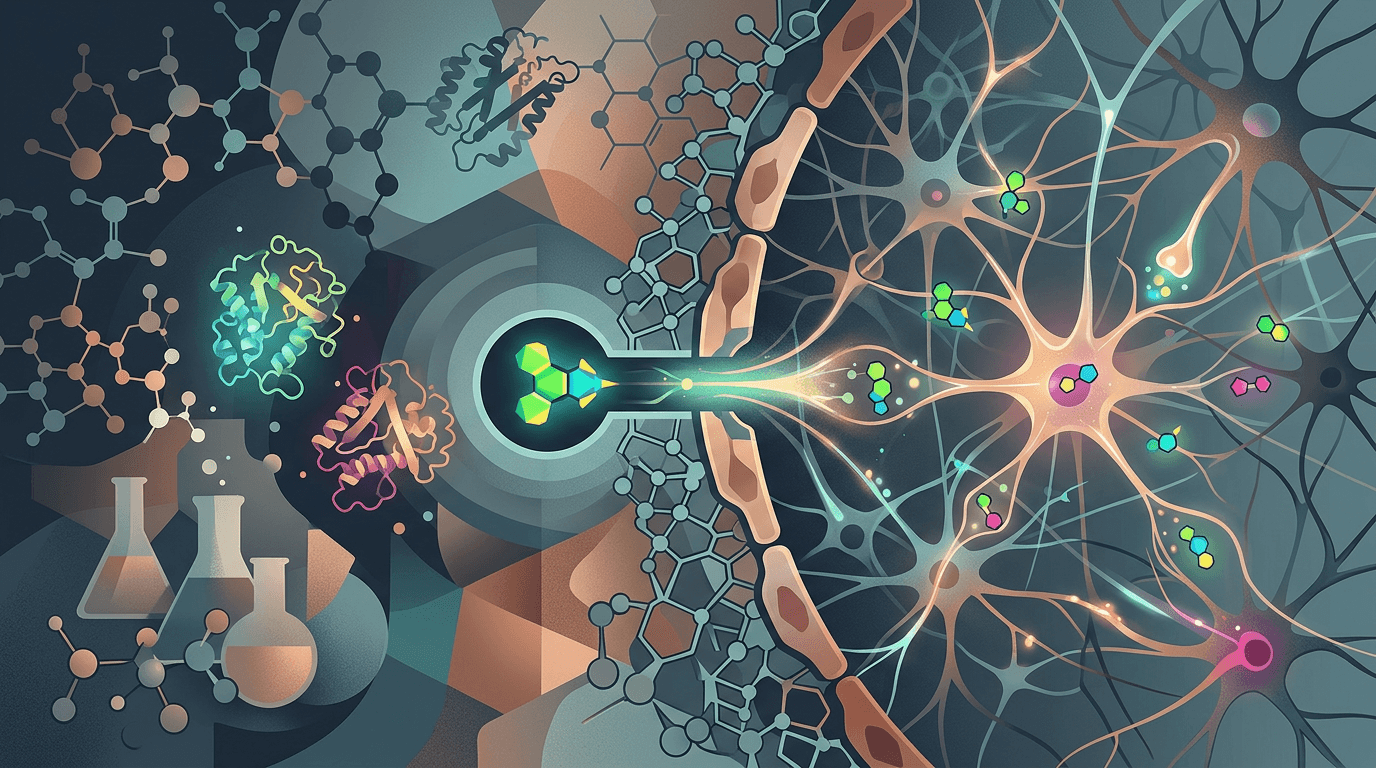

For nearly 20 years, kids with Hunter syndrome had a treatment that couldn't reach their brains. Denali Therapeutics just got FDA approval for Avlayah, the first enzyme therapy that crosses the blood-brain barrier, and it could change the game for rare neurological diseases.
For nearly 20 years, kids with Hunter syndrome had a treatment that could fix their livers but couldn't touch their brains. Think of it like having a plumber who can only work on the first floor of your house while the second floor floods. The enzyme their bodies desperately needed simply couldn't get past the blood-brain barrier, the brain's ruthlessly selective security system.
That just changed.
On March 25, 2026, the FDA granted accelerated approval to Avlayah (tividenofusp alfa-eknm), a first-of-its-kind enzyme therapy from Denali Therapeutics that actually crosses the blood-brain barrier. It's approved for neurologic symptoms of Hunter syndrome in patients aged roughly 4 months to 13 years, and it represents the first new treatment for this disease in almost two decades.
The blood-brain barrier is one of biology's most frustrating bouncers. It protects your brain from toxins, infections, and pretty much everything else floating around in your bloodstream. The problem? It also blocks most drugs, including the enzyme replacement therapies that kids with Hunter syndrome need to survive.
Hunter syndrome (formally called MPS II) is a rare genetic disorder where the body can't produce enough of an enzyme called iduronate 2-sulfatase, or IDS. Without it, toxic sugars called glycosaminoglycans pile up in cells throughout the body and brain, causing organ damage, hearing loss, and progressive cognitive decline. About two-thirds of patients develop the neuronopathic form, meaning their brains are under attack.
The existing treatment, idursulfase (sold as Elaprase), replaces the missing enzyme intravenously. It helps with peripheral symptoms like enlarged livers and organ inflammation. But it can't cross into the brain. For the majority of Hunter syndrome patients, the most devastating part of their disease goes completely untreated.
Denali's solution is elegantly simple in concept, even if the engineering is wildly complex.
Denali built what they call the Transport Vehicle (TV) platform, and it works a bit like a Trojan horse. The company fused the IDS enzyme to an engineered antibody fragment that binds to the transferrin receptor. That receptor normally ferries iron across the blood-brain barrier, shuttling it from the bloodstream into the brain.

A UK biotech with a Nobel laureate co-founder just emerged from seven years of stealth mode with $87 million and a plan to do what no approved drug can: remove the protein clumps already destroying patients' hearts. The investor syndicate behind the bet is stacked.


Join thousands of biotech professionals who start their day with our free, daily briefing.

By hitching a ride on this natural transport system, Avlayah essentially tricks the brain's security into letting the enzyme through. The technical term is "receptor-mediated transcytosis," but you can think of it as showing up to an exclusive club wearing the DJ's jacket. Once inside, the enzyme gets to work clearing out the toxic sugar buildup that causes neurological damage.
Preclinical studies showed this approach boosted brain exposure of the enzyme by 10- to 100-fold compared to unbound enzyme. That's not an incremental improvement; it's a completely different ballgame.
Approval was based on a Phase 1/2 trial enrolling 47 participants with a median age of 5 years. The headline result: a mean 90% reduction in cerebrospinal fluid heparan sulfate (the toxic sugar accumulating in the brain) by week 24. The FDA accepted this biomarker as a surrogate endpoint, meaning it's reasonably likely to predict real clinical benefit.
Beyond that biomarker win, the longer-term data painted an encouraging picture. After two years of treatment, patients showed improvements in cognitive scores, adaptive behavior, and hearing across all tested frequencies. Liver volumes normalized within 24 weeks. Serum neurofilament light chain, a marker of active nerve damage, dropped significantly and stayed down through extended follow-up.
Safety was manageable. Most side effects were mild to moderate: infusion reactions, anemia, vomiting, fever, and respiratory infections. Serious treatment-related events occurred in about 6.4% of participants.
Avlayah didn't just get approved; it collected nearly every special designation the FDA hands out. Rare Pediatric Disease, Breakthrough Therapy, Fast Track, and Orphan Drug designations all landed on Denali's doorstep. The cherry on top: a Rare Pediatric Disease Priority Review Voucher, which Denali can sell to another company (these vouchers have historically fetched $100 million or more on the open market).
The approval actually came ahead of schedule. The original target date was January 5, 2026, which got pushed to April 5 after an amendment to the application involving updated clinical pharmacology information. Despite that hiccup, the FDA signed off on March 25, more than a week early.
Because this is an accelerated approval, Denali isn't done proving Avlayah works. The company needs to verify clinical benefit through its ongoing Phase 2/3 COMPASS trial, a randomized study comparing Avlayah head-to-head against Elaprase.
Cohort A focuses on neuronopathic patients aged 2 to 6, measuring adaptive behavior changes over 96 weeks. Cohort B enrolls non-neuronopathic patients aged 6 to 26, with a primary endpoint on physical function (the six-minute walk test at 48 weeks). Enrollment for Cohort A is complete, with Cohort B still recruiting.
If these results confirm what the Phase 1/2 data suggests, Avlayah could convert to full approval and support global regulatory filings.
The real story here isn't just Avlayah. It's what the approval validates: Denali's Transport Vehicle platform works in humans. If you can sneak one enzyme past the blood-brain barrier, you can potentially sneak others.
Denali is already running a Phase 1/2 trial for DNL126, which uses the same TV technology to deliver a different enzyme for Sanfilippo syndrome type A (another devastating lysosomal storage disorder affecting children's brains).
For years, the blood-brain barrier has been the graveyard of good intentions in drug development. Countless therapies that worked beautifully in the body simply couldn't reach the brain. Denali just proved there's a viable workaround, and that proof of concept could ripple far beyond rare disease.
Denali's stock had been trading in the $20 to $21 range in mid-March. The commercial launch and pricing details will be the next catalyst to watch. For the families of kids with Hunter syndrome, though, the catalyst already arrived: a drug that finally treats the whole disease, not just half of it.
Merck is paying $6.7 billion for Terns Pharmaceuticals and its early-stage leukemia drug. With Keytruda's $29.5 billion in annual sales about to face patent expiration, this is what urgency looks like in pharma.