
Indivior's experimental opioid addiction drug flopped in Phase 2, and now the company is gutting its research team. Wall Street didn't flinch, but the long-term implications of becoming a one-drug company are harder to ignore.
Indivior spent roughly $20 million acquiring an experimental drug for opioid addiction. It ran a Phase 2 trial. The drug failed. And now the company is preparing to hollow out its research team.
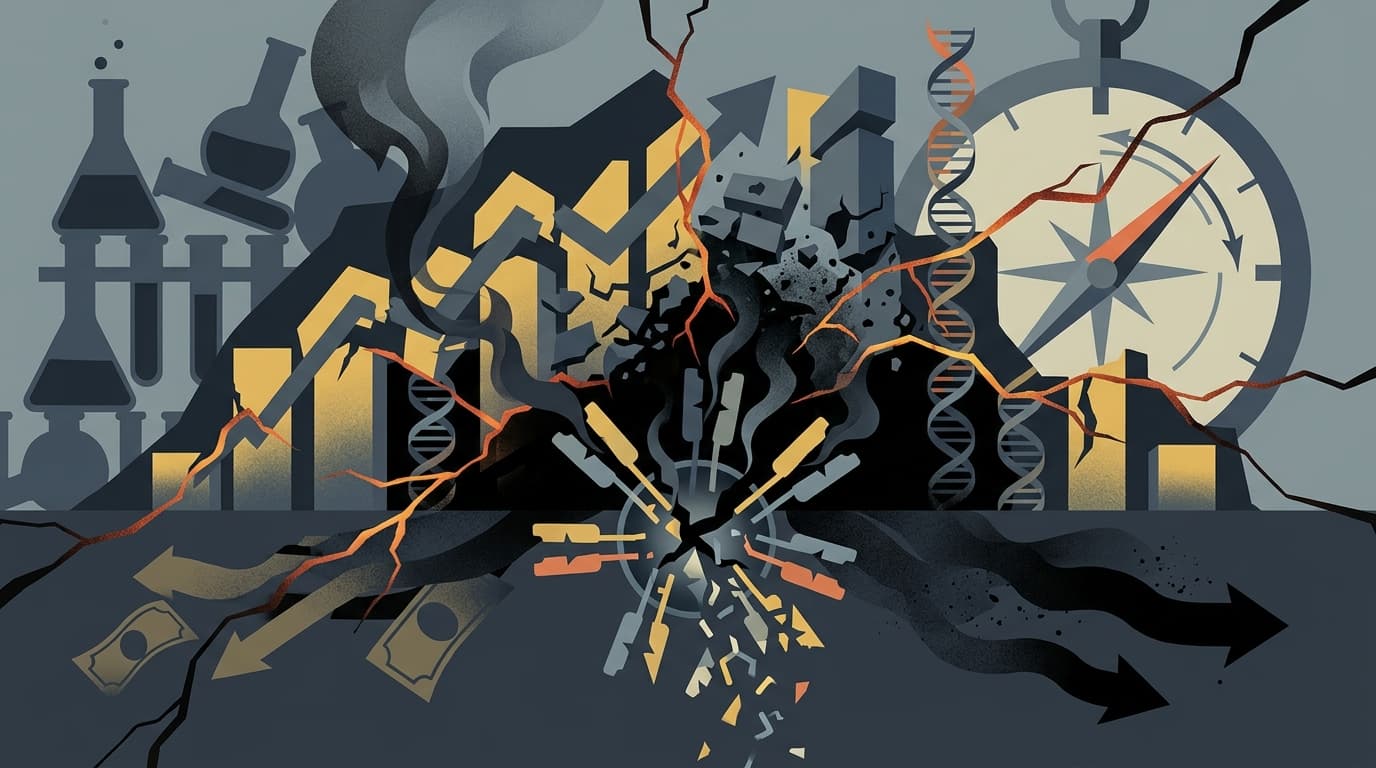
That's the brutal math of biotech: one bad readout can reshape an entire company overnight.
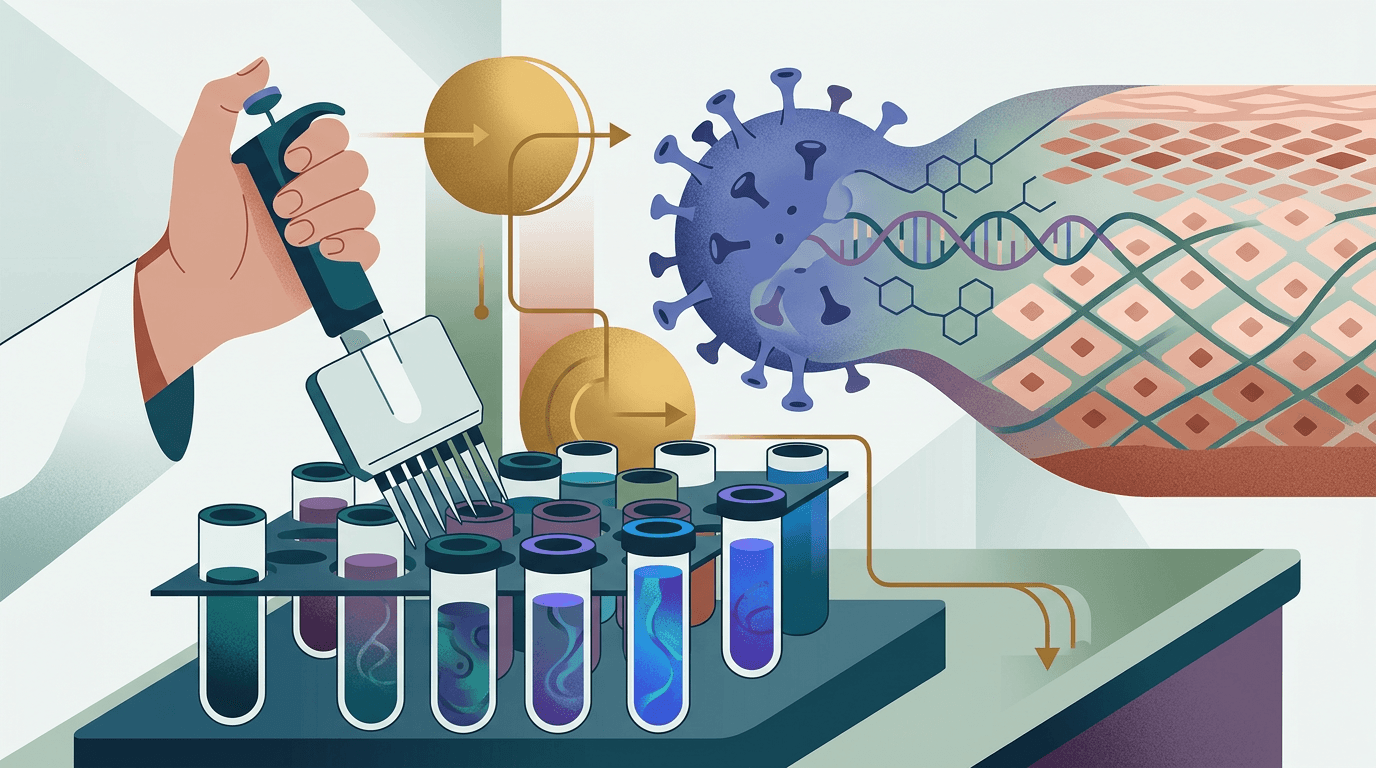
The drug in question is INDV-2000, an orexin-1 receptor antagonist designed to treat opioid use disorder (OUD). Think of orexin-1 as the brain's "craving switch." Block it, and you might reduce the urge to relapse. That was the theory, anyway.
The Phase 2 study tested three doses of INDV-2000 against placebo in people with moderate to severe opioid addiction. The main goal: prove that patients could go 12 weeks without treatment failure (essentially, without relapsing or dropping out).
It missed. Across the full dose range, INDV-2000 couldn't beat the sugar pill.
Two things conspired against it. First, the highest dose (400 mg) performed worse than anyone expected. Second, the placebo group did surprisingly well, a phenomenon that plagues addiction trials like a recurring villain. When your control group improves on its own, your drug has to clear a much higher bar.
There was a silver lining at the 200 mg dose, where patients showed higher abstinence rates for cocaine and other substances. But Indivior's own chief scientific officer called those findings "exploratory," which in pharma-speak means "interesting but not bankable."
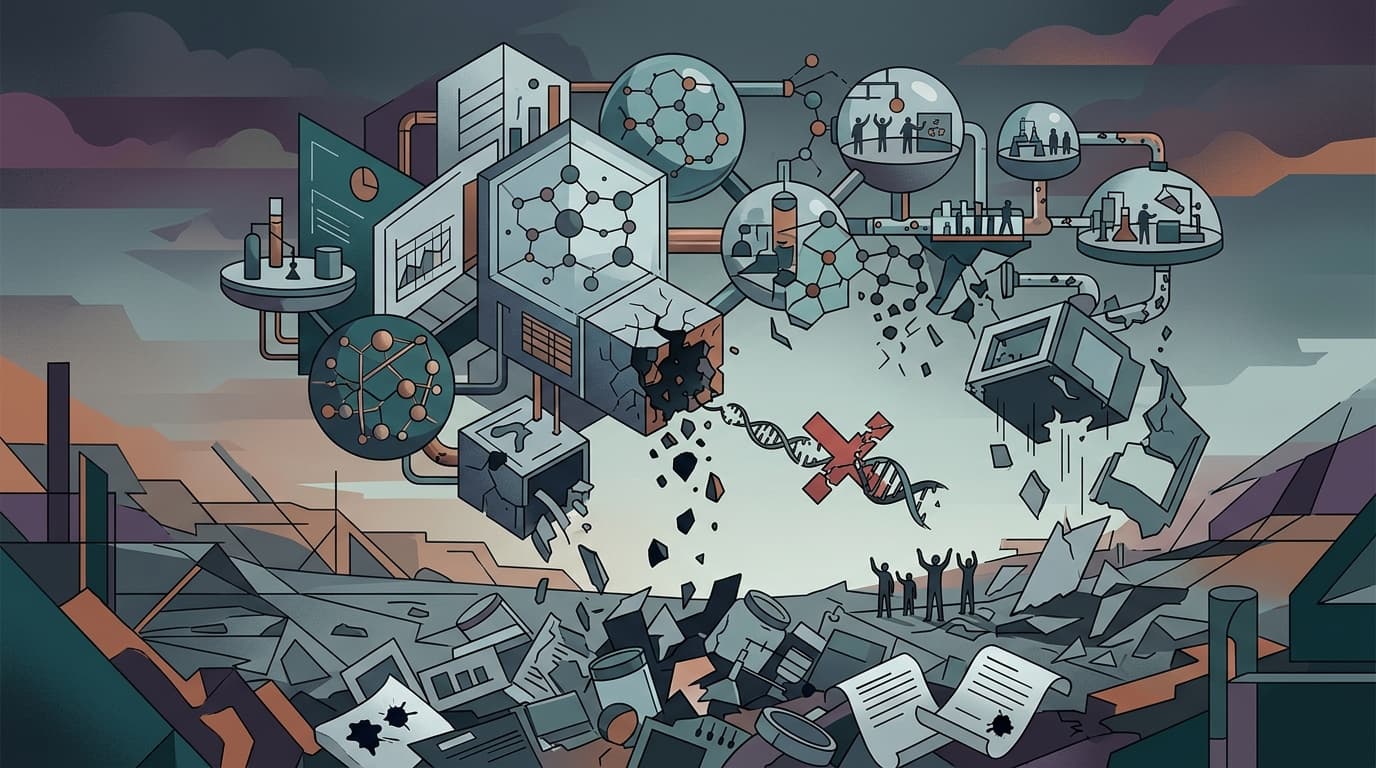
Indivior announced on its earnings call that the failure would have a "significant impact" on its R&D organization. The company ended internal development of INDV-2000 entirely. Major reductions to the research team are coming.
This isn't a trim. It's a strategic pivot.
The company now plans to package up whatever data it has (including some brain imaging results and secondary analyses) and shop INDV-2000 around as a "credible business development opportunity." Translation: if someone else wants to take a swing at this drug, Indivior will happily hand over the bat.

Join thousands of biotech professionals who start their day with our free, daily briefing.
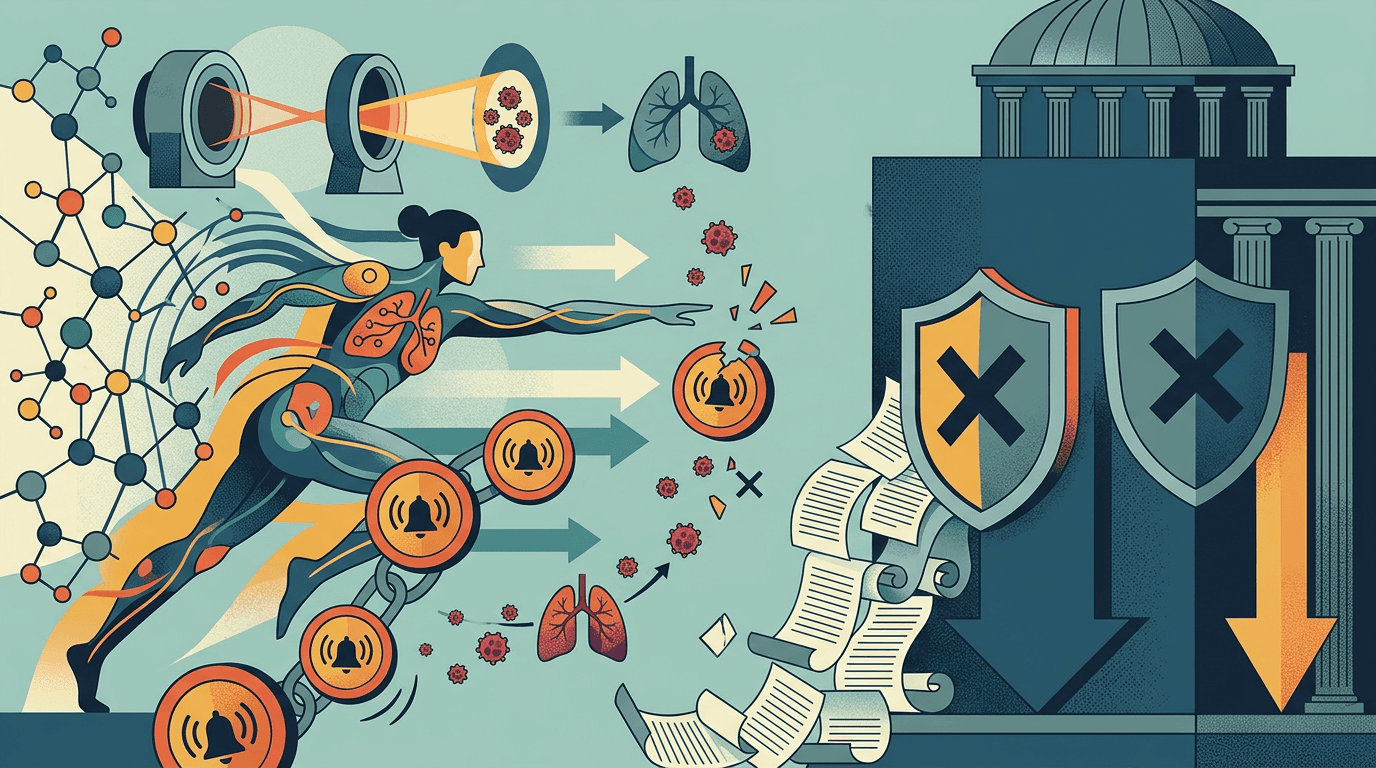
Here's the surprising part: investors didn't seem to care much. Indivior's stock actually surged 9.63% in premarket trading after the Q1 earnings report where this news dropped. The reason? Everything else looked fantastic.
SUBLOCADE, Indivior's monthly injection for opioid addiction, posted $232 million in Q1 revenue alone, up 32% year over year. Total revenue hit $317 million, a 19% jump. The company raised its full-year guidance: $1.215 to $1.285 billion in total revenue, with SUBLOCADE accounting for $950 to $990 million of that.
The analyst consensus on the stock is a "Moderate Buy" rating. Nobody downgraded.
The market's message was clear: INDV-2000 was a side bet. SUBLOCADE is the franchise. Losing the experiment doesn't threaten the core business.
But that calculus cuts both ways. Indivior's 2026 guidance shows SUBLOCADE generating roughly 77–78% of all revenue. After gutting R&D, the pipeline beyond SUBLOCADE looks barren. The "Indivior Action Agenda" (the company's restructuring plan) emphasizes operational efficiency and cost-cutting, with non-GAAP operating expenses capped at $450 million and annual savings of at least $150 million.
Adjusted EBITDA is projected to grow 50% year over year to a midpoint of $640 million. Those are impressive numbers for a specialty pharma company. But they're built on a single product's continued growth in a market where generics and competitors always lurk.
It's like a restaurant that makes incredible pizza but just fired the chef who was developing the rest of the menu. The pizza's selling great today. But what about next year?
Indivior's situation fits a pattern that's become almost routine in biotech. In 2026 alone, at least five companies have shut down completely after trial failures. Gossamer Bio cut 48% of staff when its pulmonary hypertension drug missed in Phase 3. Theravance discontinued all internal R&D after its Phase 3 flop, pivoting entirely to commercial operations. Lyra Therapeutics laid off everyone after a strategic review driven by limited cash runway.
The playbook is depressingly consistent: trial fails, stock craters, R&D team gets slashed, company becomes a single-product commercial operation (or dies entirely).
Indivior is better positioned than most because SUBLOCADE is genuinely growing. The opioid crisis isn't going away; demand for effective treatment is rising. A direct-to-consumer advertising campaign launched in late 2025 is driving awareness, and an FDA label update now allows patients to start the injection within one hour of their first visit.
Indivior bet $20 million and years of research time on the idea that blocking the brain's craving circuitry could help people stay off opioids. The science was compelling. The data wasn't.
Now the company is choosing efficiency over exploration, profits over pipeline. For shareholders, that's probably the right call in the short term. SUBLOCADE is a genuine growth engine, and the market is rewarding focus.
But in pharma, today's blockbuster is tomorrow's patent cliff. And when that day comes, Indivior will need something in the pipeline. The R&D team they're about to let go won't be around to build it.
J&J axed its CAR-T lymphoma program despite data that embarrassed the competition, complete response rates that made Yescarta look like last season's model. The real story isn't about science; it's about the brutal economics threatening the entire cell therapy space.