
GlycoNex and Nippon Kayaku just partnered on a cancer drug that plays dead in your bloodstream and only activates inside tumors. In the middle of an ADC gold rush worth tens of billions, this "Antibody Lock" technology could be the stealth upgrade the field needs.
Imagine shipping a bomb through the mail. You'd want it to look harmless until it reaches the right address, right? That's basically the pitch behind a new cancer drug partnership announced last week.
Taiwan-based GlycoNex and Japanese diversified chemicals manufacturer Nippon Kayaku are teaming up to build a next-generation antibody-drug conjugate (ADC) that plays dead in your bloodstream and only wakes up when it reaches a tumor. The candidate is called GNX201-ADC, and it targets solid tumors using a clever disguise system that could solve one of the biggest headaches in cancer treatment.
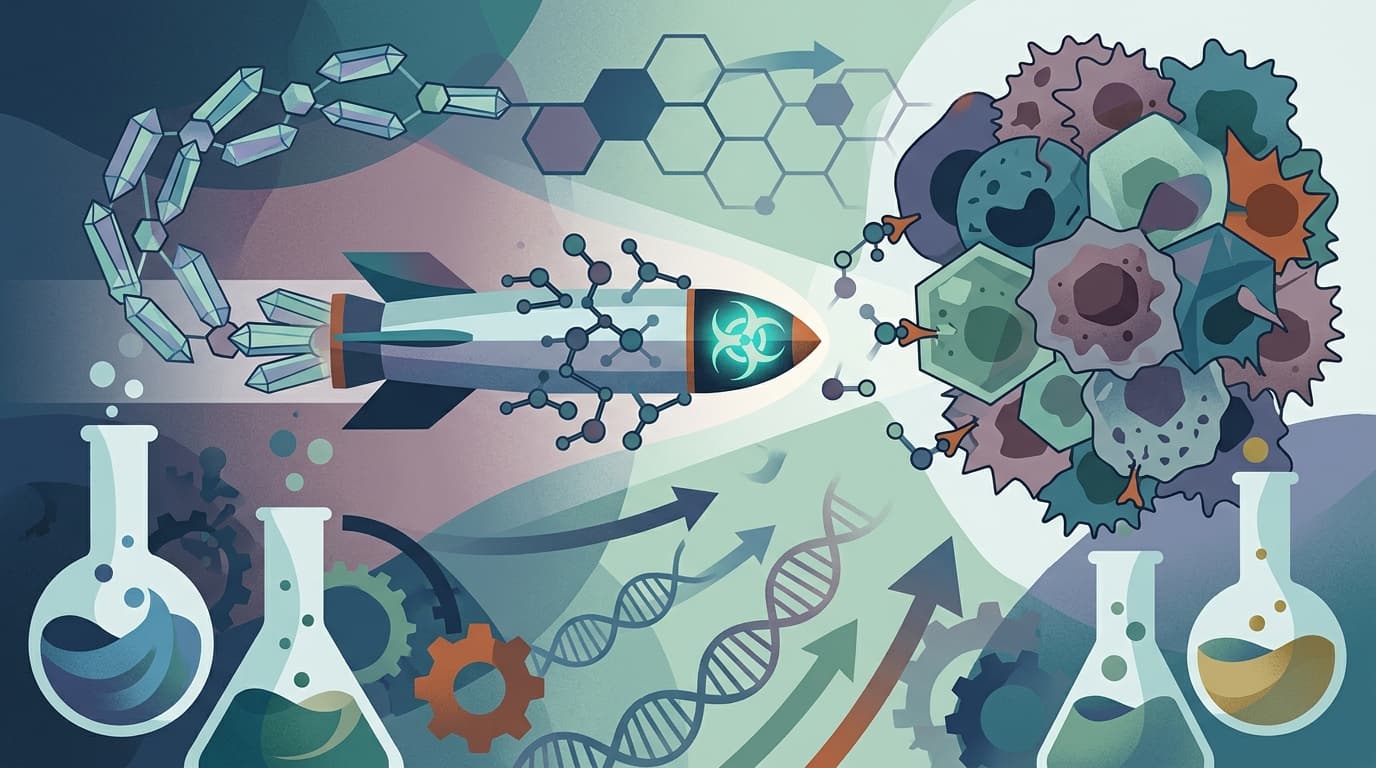
ADCs are the hottest drug class in oncology right now. Think of them as guided missiles: an antibody finds the cancer cell, locks on, and delivers a toxic payload that kills it. The problem? Sometimes the missile detonates too early, poisoning healthy tissue along the way. That's where this deal gets interesting.
GlycoNex's secret weapon is something called "Antibody Lock" technology. It's a protease-activated pro-ADC, which in plain English means the drug wears a molecular mask while it circulates through your body. Enzymes that are abundant in the tumor microenvironment (the neighborhood around cancer cells) act like a key, unlocking the mask and activating the drug only where it's needed.
This is a fundamentally different philosophy from traditional ADCs. Most current ADCs are always "on," relying on antibody targeting alone to find cancer cells. GlycoNex's approach adds a second layer of selectivity. The drug has to both find the right address and get its mask removed by tumor-specific enzymes before it can do any damage.
The goal: a wider therapeutic window, meaning doctors can potentially use higher doses without frying healthy cells. GlycoNex CEO Dr. Mei-Chun Yang called the partnership a "natural extension" of their glycan-focused science, noting it would combine both companies' R&D strengths to accelerate toward clinical studies.

Aardvark Therapeutics just froze its entire obesity pipeline after cardiac safety signals emerged, sending shares plummeting 54%. The company's clever approach to weight loss (tricking gut bitter taste receptors into suppressing hunger) may have a fatal flaw: those same receptors exist in the heart.


Join thousands of biotech professionals who start their day with our free, daily briefing.
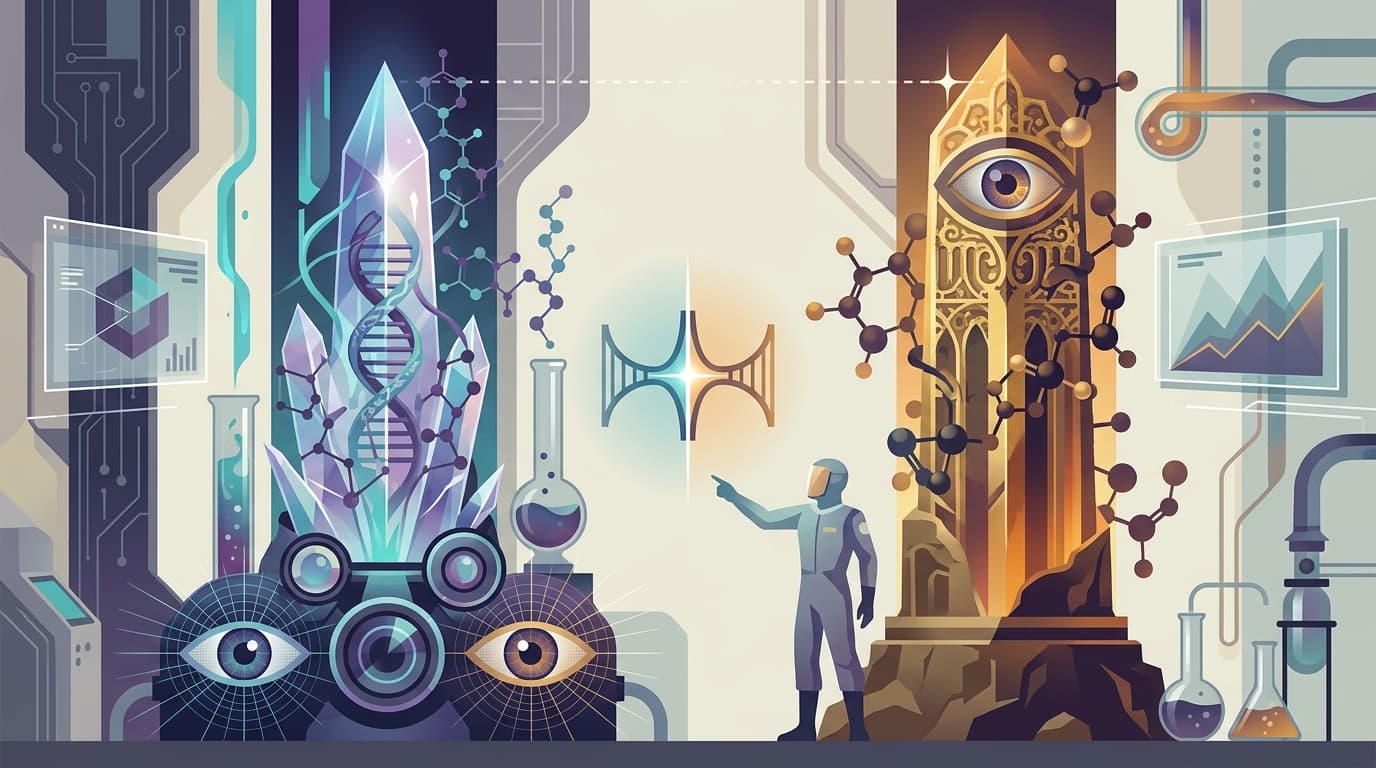
This is one of those partnerships where the puzzle pieces actually fit. GlycoNex brings deep expertise in glycan antigens, which are sugar molecules on cell surfaces that cancer cells often overexpress. Think of glycans as the zip code on the envelope; GlycoNex is really good at reading those zip codes.
Nippon Kayaku, meanwhile, is a Japanese chemical and pharmaceutical company that already sells 51 anti-cancer drugs and has serious oncology development muscle. They know how to optimize drug constructs, generate the preclinical data regulators want to see, and navigate the path from lab bench to clinic. Akira Masuda, General Manager of Nippon Kayaku's Pharmaceutical Research Laboratories, praised GlycoNex's "differentiated pro-antibody activation concept" as a key reason for the deal.
The collaboration will focus on preclinical development first: optimizing the ADC construct and building the data package needed for regulatory submissions. No financial terms were disclosed, which usually means the deal is modest in size compared to the billion-dollar blockbusters we've seen lately.
This partnership doesn't exist in a vacuum. The ADC market is absolutely exploding, projected to hit roughly $15 to $18 billion in 2026 and potentially reach $33 to $39 billion by 2035. That's roughly a 9% annual growth rate, with some analysts predicting even faster expansion.
The deal frenzy in early 2025 alone tells the story. Boehringer Ingelheim licensed Synaffix's ADC platform for up to $1.3 billion. Roche partnered with Innovent Biologics in a deal worth up to $1.08 billion. Merck KGaA struck a multi-year agreement with Caris Discovery valued at up to $1.4 billion in April 2024. ADCs dominated biotech partnership activity globally.
And the technology keeps getting more sophisticated. Bispecific ADCs that can hit two targets at once, AI-driven target discovery, and advanced linker chemistry are all pushing the field forward. Bristol Myers Squibb's bispecific ADC targeting both EGFR and HER3 earned an FDA Breakthrough Therapy Designation in August 2025 for lung cancer patients. AbbVie submitted a full application to the FDA for its CD123-targeting ADC in September 2025.
For GlycoNex, this partnership validates their glycan-directed platform at a moment when big pharma is writing enormous checks for ADC technology. The company already has GNX1021 heading toward Phase 1 trials in 2026 for gastric cancer, so GNX201-ADC adds another arrow to their quiver. They've secured patents globally and have manufacturing partnerships in place.
For Nippon Kayaku, it's about ambition. The company reportedly wants new drugs to account for 30% of its pharmaceutical sales over the next decade. Partnering on a next-gen ADC with a novel activation mechanism is a smart way to build that portfolio without betting the entire farm on internal R&D.
The caveat? GNX201-ADC is still in preclinical development. That's the equivalent of a startup showing you a prototype; there's a long road between "cool concept" and "drug that actually works in patients." The Antibody Lock technology still needs to prove it works in animal models and eventually in human trials, where plenty of clever ideas have gone to die.
The GlycoNex and Nippon Kayaku deal isn't the splashiest ADC partnership we've seen. There's no billion-dollar headline, no late-stage clinical data to argue about. But the underlying technology is genuinely clever, and it addresses a real problem: how to make ADCs more precise without sacrificing potency.
In a market where North America alone controls over 52% of ADC revenue and where every major pharma company is scrambling to build or buy ADC capabilities, even smaller deals like this one matter. The next breakthrough ADC might not come from the usual suspects. It might come from a Taiwanese biotech with a really good disguise.
Iranian strikes knocked out a third of the world's helium supply, and 50,000 MRI scanners are about to feel it. The crisis linking party balloons to cancer screenings is more urgent than you think.