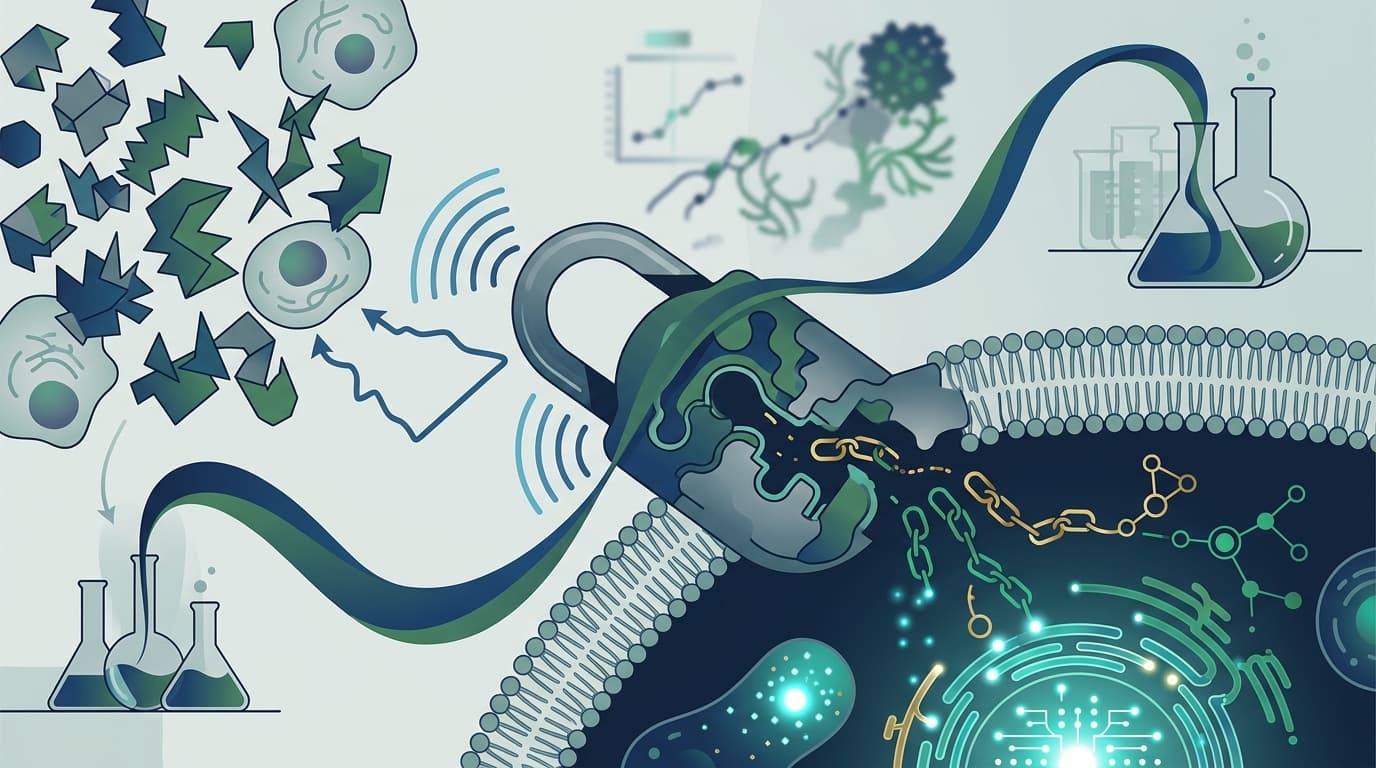

For 20 years, kids with Hunter syndrome had a treatment that could help their bodies but couldn't reach their brains. Denali Therapeutics just got FDA approval for the first biologic designed to cross the blood-brain barrier, and the implications go way beyond one rare disease.
For nearly two decades, kids with Hunter syndrome had exactly one FDA-approved treatment. It could help their livers. It could help their lungs. But their brains? Off limits.
That's because the blood-brain barrier, the body's ultra-selective bouncer for the central nervous system, doesn't let big therapeutic molecules through. Enzymes that could fix the rest of the body got turned away at the door. Meanwhile, the neurological damage kept progressing.
On March 25, 2026, that changed. The FDA granted accelerated approval to Avlayah (tividenofusp alfa-eknm), a new enzyme replacement therapy from Denali Therapeutics. It's the first approved biologic specifically designed to cross the blood-brain barrier. Think of it as a delivery truck that finally figured out the password to get past the gate.
Hunter syndrome, also called MPS II, is a rare genetic disorder that affects roughly 1 in 100,000 to 170,000 male births. The disease is caused by a missing or broken enzyme called iduronate 2-sulfatase (IDS), which the body needs to break down complex sugars. Without it, those sugars pile up in cells throughout the body like trash in a house with no garbage pickup.
The existing treatment, idursulfase (brand name Elaprase), has been around since 2006. It replaces the missing enzyme through an IV infusion. The problem: the enzyme can't cross the blood-brain barrier. For kids with the neuronopathic form of the disease, cognitive decline, behavioral changes, and neurological deterioration continue unchecked. Parents watch their children slip away, knowing the available treatment simply can't reach the part of the body that matters most.
Avlayah is the first new Hunter syndrome therapy in almost 20 years. And it was built to solve exactly this problem.
Denali's secret weapon is its Transport Vehicle (TV) platform, a clever piece of protein engineering that essentially hitchhikes into the brain on an existing delivery route.
Your brain needs iron to function. To get it, iron-carrying proteins called transferrin bind to transferrin receptors on the surface of the blood-brain barrier's endothelial cells. Those cells pull the iron across and into the brain. It's like a VIP entrance that only opens for specific guests.

Kailera Therapeutics raised nearly $1 billion in private funding before most people knew its name. Now the obesity-focused biotech is going public, and its IPO could reveal whether Wall Street's love affair with weight-loss drugs still has room to grow.

Join thousands of biotech professionals who start their day with our free, daily briefing.
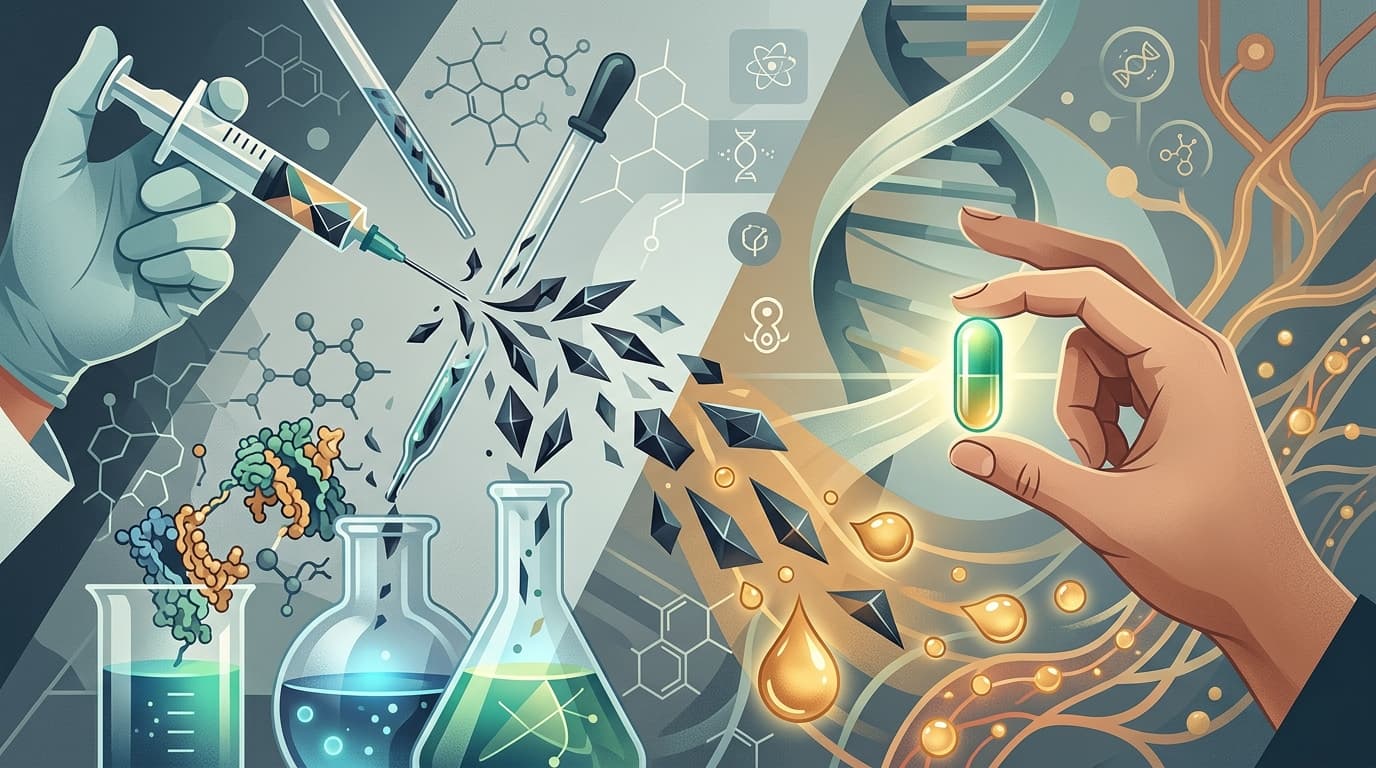
Denali's engineers figured out how to attach their therapeutic enzyme to a modified antibody fragment that also binds to the transferrin receptor. The enzyme essentially shows up wearing a disguise that gets it waved through. Once inside, it does its job: breaking down the accumulated sugars that cause neurological damage.
This isn't just a one-trick pony, either. The TV platform is modular, meaning Denali can theoretically attach different therapeutic payloads (enzymes, antibodies, oligonucleotides) and send them across the barrier for different diseases. Avlayah is the proof of concept. If it works commercially, it validates an entire pipeline.
The FDA based its accelerated approval on data from a Phase 1/2 trial of 47 pediatric patients ranging from 3 months to 13 years old. Since Hunter syndrome is so rare, you're never going to see a 10,000-patient mega-trial here. Every data point matters.
The headline result: at 24 weeks, patients showed a 91% reduction in cerebrospinal fluid heparan sulfate (CSF HS), a biomarker that reflects how much toxic sugar is building up in the brain. That's not incremental improvement; that's a near-complete correction of the underlying biochemical problem in the central nervous system.
Beyond the brain, peripheral markers improved too. Researchers observed improvements in adaptive behavior, cognitive scores, hearing, and liver volume.
The treatment isn't without risks. Avlayah carries a boxed warning for allergic reactions, including anaphylaxis. Infusion-related reactions were the most commonly reported side effect, and the therapy is administered as a weekly IV infusion, which means a significant time commitment for families.
It's worth pausing on what "accelerated approval" actually means. The FDA didn't approve Avlayah based on proof that it makes kids with Hunter syndrome live longer or function better over years. It approved the drug based on a surrogate endpoint: that dramatic reduction in CSF heparan sulfate. The agency is essentially saying, "We believe clearing this toxic buildup is reasonably likely to translate into real clinical benefit."
But Denali has homework to do. The ongoing Phase 2/3 COMPASS trial will serve as the confirmatory study. It's a randomized, double-blind trial comparing Avlayah head-to-head against idursulfase (the current standard of care), with participants randomized 2:1 in favor of Avlayah. If that trial delivers, Denali gets full approval. If it doesn't, the FDA can pull the drug from the market.
The COMPASS trial is enrolling across North America, South America, and Europe. No topline results have been reported yet.
With only a few hundred patients in the U.S., Hunter syndrome is a tiny market by pharma standards. But rare disease pricing changes the math entirely. Avlayah is priced at $5,200 per 150 mg vial, with estimated annual treatment costs ranging from $270,000 to $811,000 depending on a patient's weight. Denali is targeting roughly 75% penetration of the U.S. patient population.
The approval also came with a Rare Pediatric Disease Priority Review Voucher, which Denali plans to sell or transfer. These vouchers have historically sold for significant sums on the open market, giving Denali a nice financial cushion as it ramps up commercialization.
William Blair analyst Myles Minter noted that the approval validates Denali's Transport Vehicle platform and de-risks other programs in the pipeline, particularly DNL126 for Sanfilippo syndrome (another lysosomal storage disorder). The logic is straightforward: if the platform works for Hunter syndrome, regulators may accept a similar biomarker-based pathway for related diseases.
The blood-brain barrier has been one of the great frustrations of neuroscience drug development for decades. Alzheimer's therapies, enzyme replacements for other lysosomal storage disorders, and countless other treatments have been stymied by the inability to get large molecules into the brain effectively.
Avlayah's approval doesn't just help kids with Hunter syndrome. It establishes that the blood-brain barrier can be crossed with engineered biologics, that regulators will accept CSF biomarkers as a basis for accelerated approval, and that a commercial model exists for this approach.
For the families who have spent years watching their children deteriorate while a treatment that worked everywhere except the brain sat on the shelf, March 25, 2026, was the day someone finally figured out how to pick the lock.
Astellas pulled the plug on its STING inhibitor trial for Sjögren's syndrome before it could even generate human data. The decision says as much about a notoriously undruggable target as it does about where Big Pharma is placing its bets.