An Obesity Drug That Burns Fat and Spares Muscle? Wave Just Started Testing It
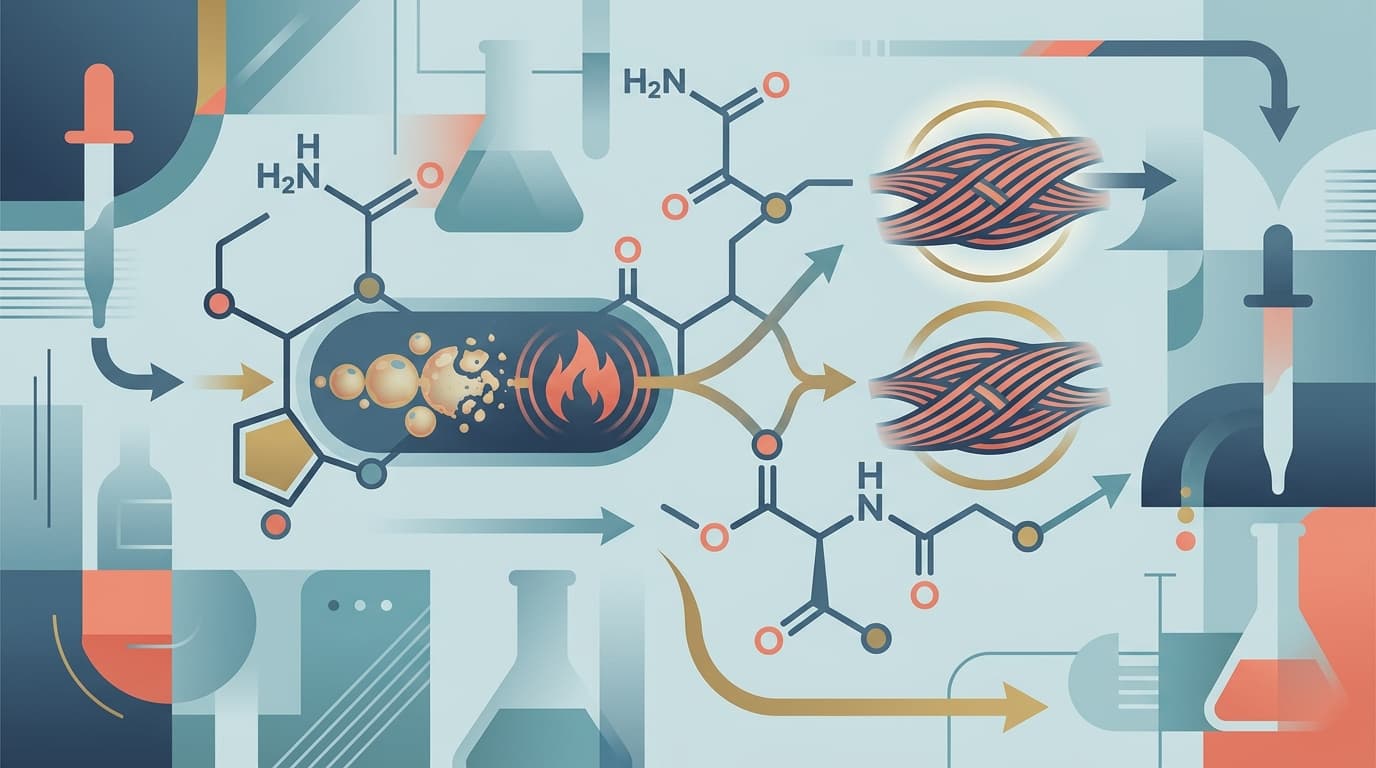
Wave Life Sciences just started dosing a new obesity drug that targets a completely different pathway than GLP-1s. WVE-007 silences a liver gene to burn fat while preserving muscle, and the early data are turning heads.
The Weight-Loss Problem Nobody Talks About
Lose 30 pounds on a GLP-1 drug, and roughly 25-40% of that could be muscle. That's the dirty secret of the obesity revolution: semaglutide and tirzepatide are stunning at melting weight, but they're not great at distinguishing fat from the lean tissue you actually want to keep. For older patients, or anyone worried about long-term metabolic health, that tradeoff matters.
Wave Life Sciences thinks it found a way around the problem. The company just began dosing patients in a Phase 2a trial of WVE-007, a liver-targeted RNA drug that silences a gene called INHBE. The mechanism is completely different from GLP-1s. And if the early data hold up, it could reshape how we think about treating obesity.
A Gene That Acts Like a Fat Thermostat
To understand WVE-007, you need to understand INHBE. This gene tells your liver to produce a protein called Activin E, which acts like a thermostat for fat storage. When Activin E levels are high, it puts the brakes on lipolysis (the process of breaking down stored fat). Think of it as your body's hoarding instinct: Activin E says "keep the fat, you might need it later."
Nature ran its own clinical trial on this target. Across more than 360,000 people in a UK Biobank study, researchers found that individuals born with broken copies of the INHBE gene had less belly fat, lower triglycerides, higher good cholesterol, and roughly 28% lower odds of developing type 2 diabetes. They weren't sicker for it. In fact, they were metabolically healthier across the board.
That's the kind of genetic evidence that makes drug developers salivate. If you can mimic what nature does in those rare individuals, you might have a blockbuster on your hands.
How WVE-007 Actually Works
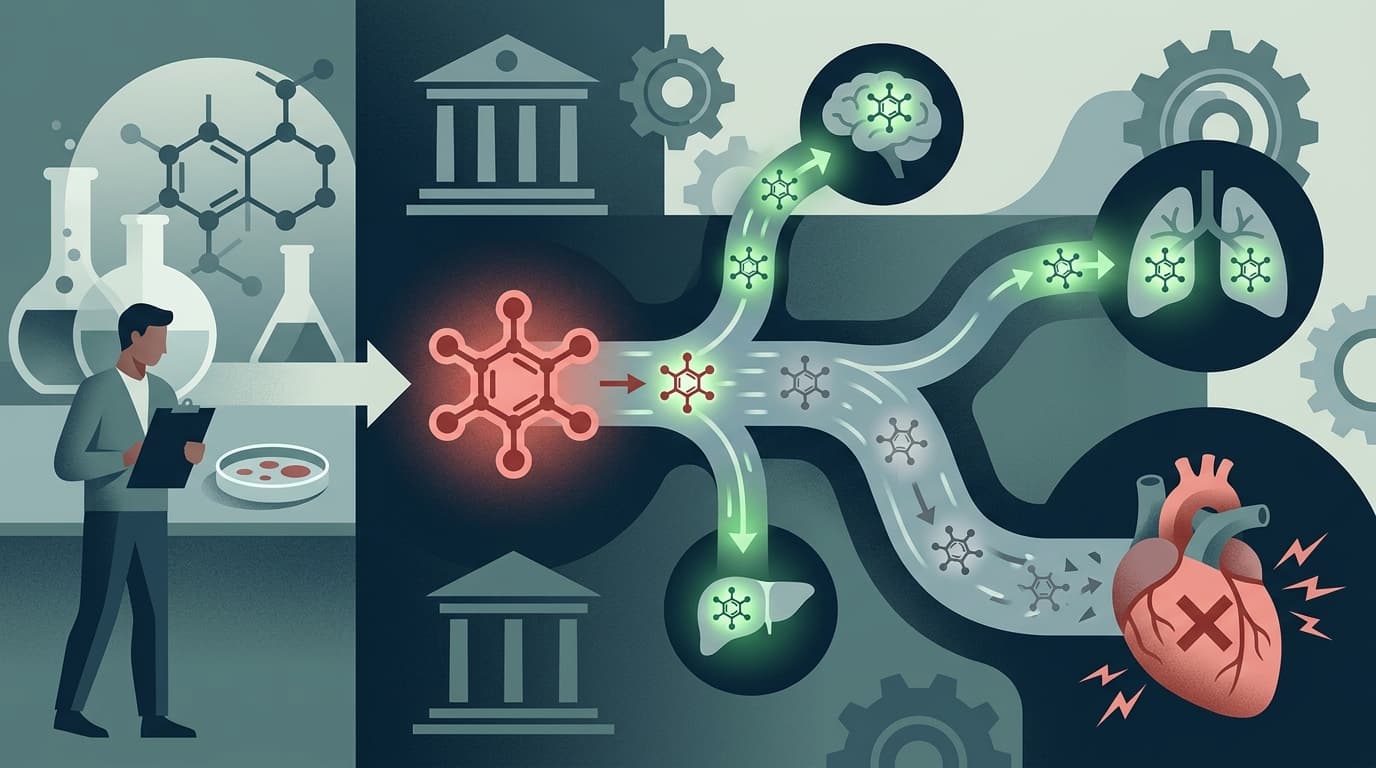
WVE-007 is a GalNAc-conjugated siRNA, which is a fancy way of saying it's a small piece of synthetic RNA that hitches a ride to liver cells and tells them to stop making INHBE. Less INHBE means less Activin E. Less Activin E means your body releases the brake on fat breakdown.
Get tomorrow's biotech intelligence before your competitors.
Join thousands of biotech professionals who start their day with our free, daily briefing.
The result, at least in early testing: fat melts while muscle stays put.
In Phase 1, Wave gave a single 240 mg dose to overweight and obese volunteers (average BMI around 32). Six months later, the treated group showed a 14% reduction in visceral fat compared to placebo, a 5% drop in total fat, and, crucially, a 2% increase in lean mass. Body weight itself dropped only about 1%, but Wave argues that's actually the point. The drug is remodeling body composition, not just shrinking the number on the scale.
Safety looked clean across doses up to 600 mg: no serious adverse events, no discontinuations, no deaths.
The Phase 2a Trial: Bigger Patients, Bigger Ambitions
The newly launched INLIGHT Phase 2a trial is designed to answer the obvious next question: does this work in people who are seriously obese and metabolically sick?
This time, Wave is enrolling adults with BMI between 35 and 50, including people with type 2 diabetes. That's a much heavier, more complicated population than the relatively healthy Phase 1 volunteers. The study is placebo-controlled (three patients get the drug for every one on placebo) and will follow participants for 12 months, with a first key readout at three months.
The endpoint list reads like a cardiometabolic wish list: body weight, waist circumference, body composition via MRI and DEXA scans, liver fat content, HbA1c (a diabetes marker), lipid panels, inflammatory markers, and muscle function tests. Wave isn't just trying to prove WVE-007 causes weight loss; it's building a case that silencing INHBE could help with MASH (fatty liver disease), type 2 diabetes, and cardiovascular risk all at once.
Perhaps the most intriguing design detail: Phase 1 data suggested that a single dose could suppress Activin E for months, raising the possibility of once- or twice-yearly dosing. If that holds in Phase 2a, imagine an obesity treatment you get a couple of times a year instead of weekly injections or daily pills.
Not Competing With GLP-1s (at Least, Not Directly)
Wave is smart enough not to pick a fight it can't win. The company isn't positioning WVE-007 as a replacement for semaglutide or tirzepatide. Instead, it's pitching three use cases:
Monotherapy for patients who want fat loss with muscle preservation. Add-on therapy alongside GLP-1 drugs to improve body composition beyond what incretins achieve alone. And perhaps most compelling, maintenance therapy for patients coming off GLP-1s, helping them keep fat off without the rebound weight gain that plagues so many people who stop their injections.
Wave plans to launch trials testing WVE-007 as both an incretin add-on and a post-incretin maintenance therapy in the second half of 2026.
The Money Side
Wave isn't scraping by on fumes. The company reported $602 million in cash at the end of 2025, with runway projected into the third quarter of 2028. A partnership with GSK (worth $170 million upfront, plus milestones potentially exceeding a billion dollars across programs) validates the underlying RNA platform.
WVE-007 sits within Wave's broader PRISM platform, which uses proprietary backbone chemistry called PN (phosphoryl guanidine) to make RNA drugs more potent and longer-lasting. The company claims this chemistry boosts how efficiently its drugs load into the cellular machinery that silences genes, roughly a 10-fold improvement over standard approaches.
The Catch
Biology is complicated, and INHBE is no exception. In mouse studies, completely knocking out the gene caused fat loss but also triggered fatty liver and insulin resistance. The key distinction: human carriers of INHBE mutations only have partial loss of function. They still make some Activin E, just less of it. Wave's drug aims for knockdown, not knockout, mimicking that partial reduction. Whether an siRNA can thread that needle precisely enough in thousands of patients remains to be seen.
Analysts are watching with cautious optimism. Most treat WVE-007 as promising option value rather than a sure thing. The real inflection points arrive when Phase 2a data start rolling in and when the combination studies kick off later this year.
Why This Matters Beyond Wave
The obesity pipeline now has over 193 drugs in development, and the field is diversifying fast: amylin agonists, glucagon combinations, GDF-15 pathways, oral small molecules. But almost all of them still focus on suppressing appetite or burning calories. WVE-007 represents something genuinely different: a genetics-guided approach that targets how and where your body stores fat, not just how much you eat.
If INHBE validates as a target, it opens a door to treating obesity as a disease of body composition rather than body weight. That's a subtle but potentially revolutionary distinction, and it's exactly the kind of thing worth watching.
5 min read
Two CNS Pharma Companies Just Stitched Themselves Together. Here's Why.
Supernus and Indivior are merging into a $2.2 billion CNS and addiction powerhouse, combining ADHD drugs with the dominant opioid treatment franchise. It's specialty pharma's latest bet that brain disorders and addiction belong under one roof.