
Roche and Ionis just posted a Phase 3 win for sefaxersen in IgA nephropathy, a kidney disease that already has six approved treatments fighting for market share. The data look promising, but the real question is whether drug number seven can carve out blockbuster territory in biotech's most crowded therapeutic race.
Imagine showing up to a house party and realizing six people already brought the exact same bottle of wine. That's roughly what Roche and Ionis just did in IgA nephropathy, the kidney disease that has quietly become one of the most competitive spaces in all of medicine.
Their drug, sefaxersen, just nailed its Phase 3 primary endpoint. The IMAgINATION trial showed statistically significant reductions in urinary protein levels at 37 weeks compared to placebo. In a disease where proteinuria (excess protein leaking into urine) is the go-to measure of kidney damage, that's exactly what regulators want to see.
But the real story isn't the data. It's what happens next in a market that's already packed wall to wall.
IgA nephropathy is a disease where the immune system misfires and deposits clumps of antibodies in the kidney's filters. Over time, that triggers inflammation and scarring, and patients can eventually lose kidney function entirely. Think of it like a slow clog forming in your home's plumbing: by the time you notice the problem, real damage has been done.
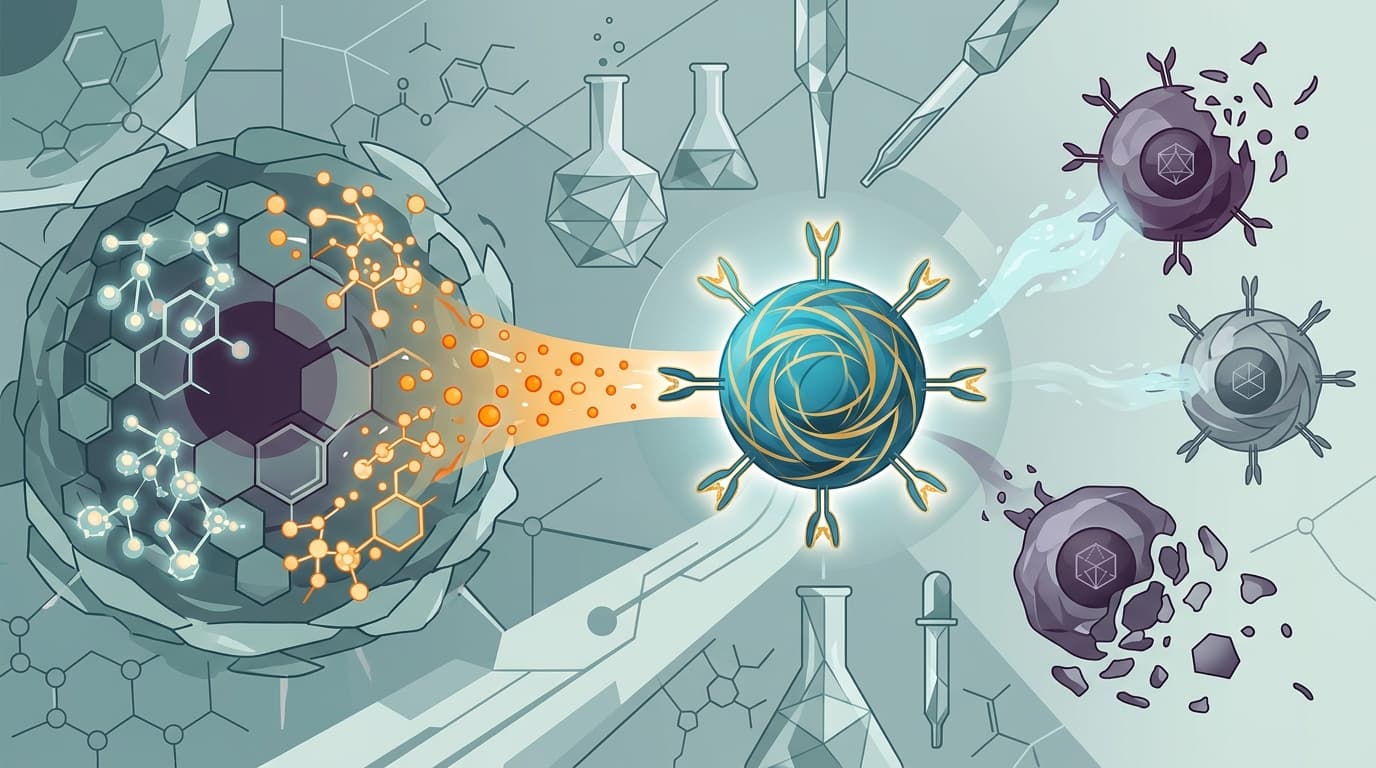
Sefaxersen attacks the problem through the complement system, a part of the immune system that amplifies inflammation. Specifically, it's an antisense oligonucleotide (a short piece of synthetic genetic material) that intercepts the instructions for making a protein called complement factor B in the liver. Less factor B means less complement activation, which means less immune-driven damage to the kidneys.
The drug is delivered as a monthly subcutaneous injection via autoinjector, which is a meaningful convenience factor in a world where some competitors require more frequent dosing or infusions. According to William Blair analysts, only Vertex has a similarly competitive dosing profile in the IgAN space.
The Phase 3 IMAgINATION study enrolled 459 patients with primary IgA nephropathy who were at high risk of disease progression. They were randomized 1:1 to sefaxersen or placebo, with treatment running for 105 weeks total.

Trump's FDA nominee Heidi Overton faced senators on Capitol Hill, and the biotech industry is watching nervously. With no agency management experience, a skeptical committee chair, and flashpoint issues from vaccines to abortion pills, her path to confirmation is anything but guaranteed.


Join thousands of biotech professionals who start their day with our free, daily briefing.

The primary endpoint was the change in 24-hour urine protein-to-creatinine ratio (UPCR) at week 37. That's the standard yardstick the FDA has accepted as a surrogate for long-term kidney outcomes. Roche reported the drug hit this endpoint with both statistical significance and clinical meaningfulness.
One notable caveat: Roche did not disclose the actual numbers. No percentage reduction. No absolute change. Just the headline that the endpoint was met and a claim of "best-in-class potential." The trial remains blinded through week 105, when the real prize (preserved kidney function measured by eGFR) will be evaluated. Until those numbers drop, investors and competitors alike are flying partially blind.
If you haven't been paying attention to IgA nephropathy, here's the quick version: it went from having zero approved treatments to having six in the span of a few years. The current roster includes:
Novartis is playing the portfolio game with two approved drugs in the same indication. Travere is leaning into its "disease-modifying" narrative. And now Roche wants in with a seventh option.
The competitive dynamics here look less like a race and more like a traffic jam. Each drug attacks IgAN through a different mechanism, which means doctors will eventually sort patients by phenotype rather than choosing one winner-takes-all therapy. But it also means the commercial pie gets sliced thinner with every new approval.
Roche and Ionis have been working together on sefaxersen since 2018, when they signed a broad collaboration around complement-mediated diseases. Roche paid $75 million upfront for option rights across multiple programs. After Phase 2 data looked promising, Roche exercised its option on the IgAN program in 2022, paying an additional $55 million.
The IgAN-specific deal includes a $35 million license fee, up to $25 million in development milestones, $90 million in regulatory milestones, and $280 million in sales milestones, plus tiered royalties up to the mid-teens. All told, the IgAN program alone could generate up to $430 million in payments for Ionis before royalties kick in.
Roche handles all global development, regulatory, and commercialization costs from here. For Ionis, it's the dream structure: get paid, let someone else do the heavy lifting.
Analysts had sefaxersen penciled in at roughly €400 million in 2030 sales before this readout. Roche, ever the optimist, has guided to €1 billion to €2 billion in peak sales. The gap between those two numbers tells you something about how the Street views IgAN's competitive intensity versus Roche's ambitions.
The positive Phase 3 data should nudge consensus estimates higher, but don't expect a dramatic re-rating just yet. Without actual efficacy numbers, analysts are treating this as a de-risking event, not a coronation. The real inflection point will come when Roche files for accelerated approval (likely based on the proteinuria data) and, eventually, when the full 105-week eGFR results read out.
The FDA has a well-worn path for IgAN approvals at this point. Proteinuria reduction at roughly nine months has been accepted as a surrogate endpoint under the accelerated approval pathway since sparsentan set the template back in 2023. The pattern is clear: show protein reduction now, confirm kidney function preservation later.
Sefaxersen fits neatly into this playbook. Assuming Roche files on the 37-week data, the drug could reach the market while the longer-term confirmatory data are still being collected.
But "could reach the market" and "will dominate the market" are very different things. Roche is bringing a legitimate drug to a legitimate disease; the monthly dosing is convenient, and the complement mechanism is scientifically sound. The question is whether being the seventh option in a crowded field generates blockbuster returns or just a respectable niche.
For patients, more options are unambiguously good. IgAN is a progressive disease, and having multiple mechanisms to choose from means doctors can tailor treatment to individual patients. For shareholders, though, the math gets harder with every new entrant.
Roche says "best-in-class." The market says "show me the numbers." The next 12 months will tell us who's right.
Kyverna's CAR-T therapy miv-cel just posted one-year data in stiff person syndrome and myasthenia gravis with durable responses and zero high-grade toxicities. While competitors pause trials after patient deaths and safety scares, Kyverna's clean profile could make it the first approved therapy for SPS.