
Moderna and Merck's personalized mRNA cancer vaccine just hit its targets in a pivotal Phase 3 melanoma trial, and the implications stretch far beyond skin cancer. It's the first time a vaccine built from a patient's own tumor mutations has succeeded at this scale.
Imagine a vaccine that doesn't fight a virus. Instead, it teaches your immune system to hunt down cancer cells, and only your cancer cells, like a custom-tailored suit for your biology. That's exactly what Moderna and Merck just proved works in a major late-stage trial.
Their personalized mRNA cancer vaccine, called intismeran autogene, hit both of its key goals in the Phase 3 INTerpath-001 trial. Patients with surgically removed high-risk melanoma who received the vaccine alongside Merck's blockbuster drug Keytruda (pembrolizumab) stayed cancer-free significantly longer than patients on Keytruda alone. It's the kind of result the oncology world has been waiting a decade to see.
And it matters far beyond melanoma.
The study enrolled patients with stage IIB through IV melanoma who had their tumors completely removed by surgery but faced a high risk of the cancer coming back. Think of it as the scariest "all clear" in medicine: the surgeon got everything visible, but microscopic rebels might still be lurking.
The trial met its primary endpoint of recurrence-free survival (RFS), meaning patients on the vaccine combo went longer without their cancer returning. It also nailed a key secondary goal: distant metastasis-free survival (DMFS), which measures how long before cancer pops up in a new, faraway part of the body. That second endpoint is arguably even more important, because distant spread is what makes melanoma deadly.
Moderna and Merck haven't released the full numerical results yet. Overall survival data, the gold standard, is still maturing. But hitting both endpoints at a pre-specified interim analysis is a strong signal. The safety profile looked consistent with earlier studies, with no new red flags.
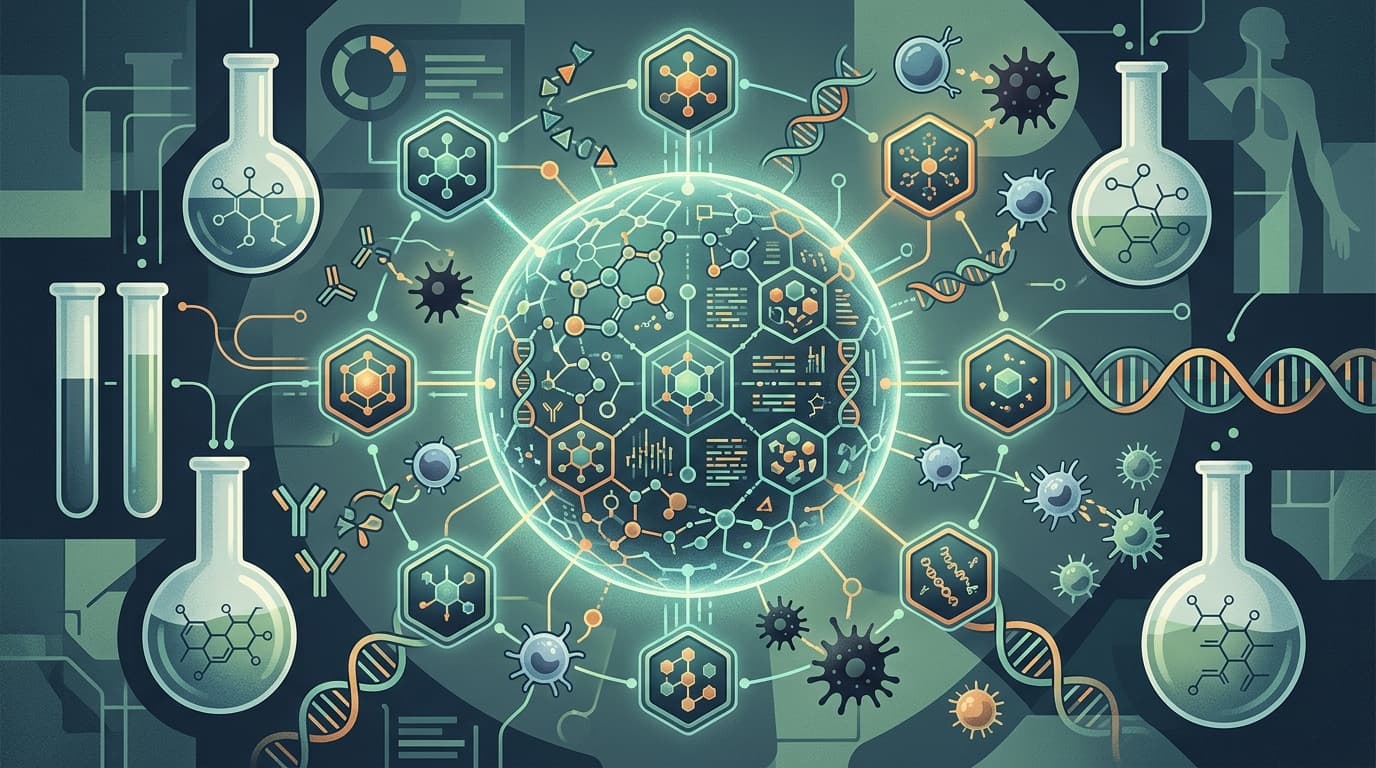
To understand the significance, you need to know what "personalized" actually means here. Most vaccines are one-size-fits-all: everyone gets the same shot. This one is different. Scientists , identify the unique mutations (called neoantigens) on that specific cancer, and then build a custom mRNA vaccine designed to teach that patient's immune system to recognize and destroy cells carrying those mutations.

For patients with a rare liver disorder, life means waking up every few hours to eat raw cornstarch or risk a medical emergency. Ultragenyx's gene therapy DTX401 cut that dependence by 61% in trials, and the FDA's decision could open the floodgates for a whole new class of metabolic gene therapies.


Join thousands of biotech professionals who start their day with our free, daily briefing.
It's like giving your immune system a personalized most-wanted poster instead of a generic "be on the lookout" flyer.
Right now, the standard treatment after melanoma surgery is 12 months of checkpoint inhibitor therapy, usually Keytruda or nivolumab (Opdivo). These drugs work well, but the honest truth is sobering: only about one in five patients actually benefits from adjuvant PD-1 therapy. A lot of people still relapse. And there's no reliable way to predict who will and who won't.
That's the gap this vaccine is trying to fill. If the full data holds up, it could become the first personalized cancer vaccine ever approved.
This result didn't appear out of thin air. Moderna and Merck have been collaborating on personalized cancer vaccines since 2016. Merck exercised its option to co-develop the program in October 2022, right before the Phase 2b results dropped.
Those Phase 2b results, from a trial called KEYNOTE-942, were the first big proof point. The vaccine-Keytruda combo showed a 49% reduction in recurrence or death compared to Keytruda alone in resected stage III/IV melanoma. Follow-up data at three years and then five years kept reinforcing that the benefit was durable, not a statistical mirage.
All of that gave the companies confidence to launch the pivotal Phase 3 INTerpath-001 trial in late 2024. Less than two years later, they had their answer.
Analysts are calling this a "landmark" moment for Moderna's oncology platform. Some estimates peg melanoma alone as a multi-billion-dollar opportunity.
But the cautious voices have fair points, too. Manufacturing a unique vaccine for every single patient is extraordinarily complex. Pricing will be tricky. And the companies still need to release the full dataset, demonstrate overall survival benefit, and navigate regulatory review.
The bigger question on everyone's mind: can this work in other cancers? Moderna and Merck are already running a separate Phase 3 trial in non-small cell lung cancer. If the melanoma result translates to other solid tumors, the market opportunity expands dramatically. If it doesn't, the story gets a lot smaller.
Moderna and Merck aren't alone in this race, but they're clearly in front. BioNTech and Genentech (Roche) are running multiple Phase 2 trials of their own personalized neoantigen vaccine, autogene cevumeran, across pancreatic cancer, melanoma, and colorectal cancer. Their program is the most diversified across tumor types, but none of those studies have reached Phase 3 yet.
Beyond those two, the field is fragmented. One 2025 review counted more than 150 clinical trials in mRNA cancer vaccines globally, many combining vaccines with checkpoint inhibitors. But most are Phase 1 or early Phase 2, often at academic centers or smaller biotechs. Nobody else is close to a pivotal readout.
The immediate milestones are straightforward: Moderna and Merck need to present the full Phase 3 data at a major medical conference, file for regulatory approval, and eventually deliver mature overall survival results. Each of those steps carries real risk. Plenty of drugs have hit interim endpoints only to see the benefit shrink as more data rolls in.
But if the full picture looks anything like the topline results suggest, we're looking at a genuine inflection point. Not just for these two companies, but for the entire idea that mRNA technology, born in the crucible of COVID-19 vaccines, can be repurposed to fight cancer on a deeply personal level.
For Moderna, which has faced skepticism about life after COVID, this is the most important clinical result since the pandemic. For cancer patients, it could be something even bigger: proof that medicine is finally learning to fight tumors the way tumors fight us, by getting personal.
A cardiac drug startup that didn't exist two years ago just raised $440 million in its Nasdaq debut. Braveheart Bio's blockbuster IPO headlined a billion-dollar week for biotech, and it all rides on a single heart drug.