
The FDA just approved Rextovy as the latest over-the-counter naloxone nasal spray, and it could show up next to the cold medicine at your local pharmacy. With nearly 70,000 Americans still dying from overdoses annually, the race to get this antidote everywhere just got a new competitor.
Imagine being able to grab a life-saving overdose reversal drug the same way you pick up allergy meds. No doctor's visit. No prescription. Just walk in, buy it, walk out.
That's the reality the FDA just made a little more real. On June 16, 2026, the agency approved Rextovy, a 4 mg naloxone nasal spray from Amphastar Pharmaceuticals, for over-the-counter sale. It's now cleared for pharmacies, convenience stores, and online retailers, no prescription required.
And the timing? Not a coincidence.
Rextovy isn't the first OTC naloxone product. That distinction goes to Narcan, which became the first nonprescription naloxone nasal spray back in March 2023. A generic version from Padagis and another product called RiVive (a 3 mg spray) followed later that same year. California even partnered with Amneal to launch a $24 generic twin pack in 2024.
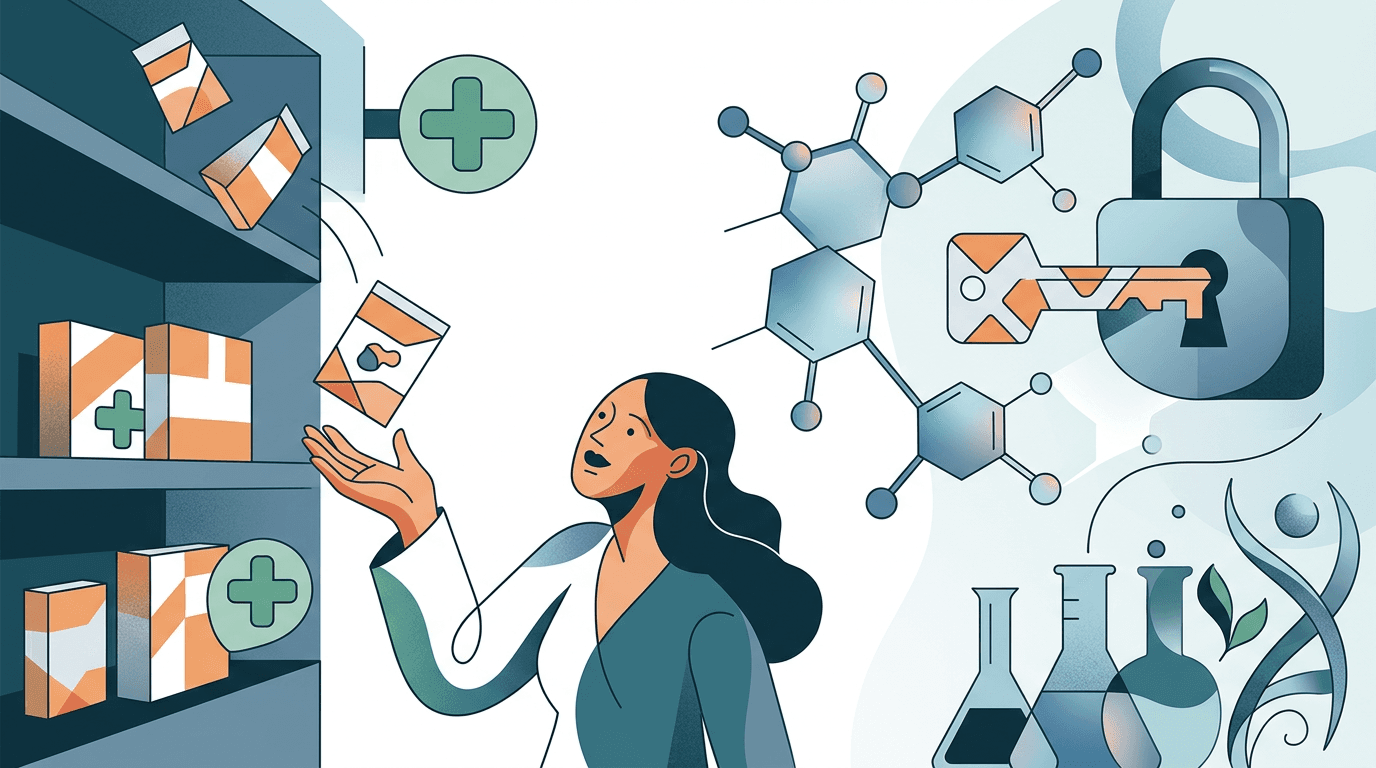
So why does another OTC naloxone product matter? Think of it like this: if you're trying to put fire extinguishers in every building in America, you don't want just one company making them. More manufacturers mean more supply, broader availability, and (crucially) more price competition.
Narcan's suggested retail price has hovered around $45 for a two-dose carton. RiVive came in at about $36. The CalRx/Amneal generic hit $24. Each new entrant has pushed that number lower. Rextovy's exact retail price hasn't been announced yet, but the trend line is clear: the cost of saving a life keeps dropping.
Naloxone is an opioid antagonist, which is a fancy way of saying it blocks opioids from doing their thing. When someone overdoses on fentanyl, heroin, or prescription painkillers, their breathing slows to a crawl or stops entirely. Naloxone basically kicks the opioids off the receptors in the brain and reverses that effect. It's like hitting a reset button on the nervous system.
Rextovy delivers its dose through a nasal spray: one squirt up one nostril. The OTC packaging includes pictorial directions with five clear steps, and one of those steps is critical: call 911 after giving the first dose. Naloxone buys time, but it doesn't replace emergency medical care.

GSK just dropped roughly $1 billion to combine two RNA-based drugs into what could be the first functional cure for chronic hepatitis B. With 250 million people infected and current therapies curing fewer than 1%, the stakes couldn't be higher.


Join thousands of biotech professionals who start their day with our free, daily briefing.
The FDA also emphasized something reassuring for bystanders who might hesitate in the moment. Rextovy is safe to use even when you're not sure opioids are involved. If someone collapses and you suspect an overdose but aren't certain, using naloxone won't cause harm. That's a big deal, because hesitation kills.
One important caveat: after naloxone reverses an overdose, the person may experience shaking, sweating, nausea, or agitation as they regain consciousness. Multiple doses may be needed. And even if the person wakes up, they still need emergency medical attention.
The U.S. opioid crisis has been one of the defining public health catastrophes of the last decade. At its peak around 2022, the country was losing people at a staggering pace. In 2023 alone, roughly 105,000 Americans died from drug overdoses, with opioids involved in about 79,000 of those deaths.
But then something shifted. Final CDC data for 2024 showed overdose deaths dropped to 79,384, a decline of nearly 27%. Opioid-specific deaths fell even more sharply, down to roughly 54,700. It was the largest single-year decline on record.
Provisional 2025 data suggests the trend continued: CDC projections point to roughly 69,000 to 72,000 total overdose deaths, about 14% lower than 2024.
Those are genuinely encouraging numbers. They're also still horrifying. Nearly 70,000 people in a year is a mid-sized city vanishing. Illicit fentanyl remains the primary killer, and several western states (Arizona, New Mexico, Colorado) actually saw overdose numbers increase in 2025 while the national trend improved.
It would be tempting to credit naloxone alone, but the CDC and independent analysts are careful to avoid that narrative. The agency lists four main factors behind the decline: widespread naloxone distribution, expanded access to addiction treatment, shifts in the illegal drug supply, and investments from opioid litigation settlement dollars flowing into prevention programs.
Naloxone's role is specific and powerful: it reverses respiratory depression during an overdose. But it only works if someone nearby has it and knows how to use it. It can't prevent overdoses from happening, and it can't overcome every drug combination (fentanyl mixed with sedatives like xylazine presents a particular challenge).
That's exactly why the FDA keeps approving more OTC options. The math is simple: more products on more shelves in more communities means more chances that naloxone is within arm's reach when it matters most.
The Rextovy approval isn't just a single product clearing a regulatory hurdle. It's the latest move in a strategy the FDA has been building since at least 2019, when the agency took the unusual step of designing and testing its own model label for OTC naloxone. That's almost unheard of; normally companies develop their own labeling. But the FDA wanted to remove every possible barrier to getting naloxone reclassified.
The agency ran label comprehension studies to prove that everyday people (not nurses, not pharmacists) could understand when and how to use the spray. An advisory committee voted unanimously that the benefits of OTC naloxone far outweighed the minimal risks. That groundwork made it possible for Narcan to go OTC in 2023, and it created a repeatable regulatory template that Amphastar and future sponsors can follow.
The June 2026 approval also aligns with the broader Great American Recovery Initiative, the federal government's umbrella strategy for combating addiction. Rextovy is positioned as one component of that larger effort.
The approval is the easy part. The hard part is making sure Rextovy actually ends up where it's needed: in the hands of people in high-burden communities, at prices they can afford, on shelves in neighborhoods where overdose rates are highest.
Removing the prescription barrier helps with stigma; buying naloxone now feels more like picking up a first-aid supply than seeking out a controlled substance. But manufacturing scale-up, distribution logistics, and retail stocking decisions will determine whether this approval changes outcomes or just changes a label.
The opioid crisis is retreating, but it hasn't surrendered. Almost 70,000 people still died of overdoses last year. Every additional OTC naloxone product on the market is a small bet that one more bystander, one more parent, one more friend will have the tool they need at the exact moment it matters.
That bet, at least, seems worth making.
Novo Nordisk licensed a French biotech's molecular delivery platform in a deal worth up to $327 million, betting that getting drugs past the blood-brain barrier is the next great competitive advantage. The deal is part of a massive pharma arms race over targeted tissue delivery that's reshaping biotech dealmaking.