
Osteosarcoma hasn't seen a meaningful new treatment option in over 40 years. Hansoh Pharma's B7-H3 antibody-drug conjugate just broke that streak with a Phase III win, and the implications for pediatric oncology and the red-hot ADC space are hard to ignore.
Osteosarcoma is one of the cruelest cancers in medicine. It hits kids and young adults. It eats through bone. And for the past four decades, doctors have fought it with the exact same cocktail of chemo drugs, because nothing better has come along.
That streak may have just ended.
Hansoh Pharma announced that its antibody-drug conjugate (ADC), risvutatug rezetecan (mercifully nicknamed Ris-Rez), hit its primary endpoint in a Phase III trial called ARTEMIS-011. The drug significantly extended progression-free survival (PFS), which measures how long patients live without their cancer getting worse, compared to standard chemotherapy. The trial enrolled patients who had already failed at least two rounds of prior treatment.
In a disease where the phrase "new treatment option" has been essentially fictional since the 1980s, that's a big deal.
To appreciate why this matters, you need to understand how bleak the osteosarcoma landscape has been.
The standard treatment, a combination called MAP (high-dose methotrexate, doxorubicin, and cisplatin), was established in the late 1980s and 1990s. It pushed cure rates for localized disease from under 20% to above 60%. That was genuinely revolutionary at the time.
Then progress flatlined. For more than 40 years, researchers tried to improve on MAP. They tweaked doses. They added drugs like ifosfamide. They ran massive cooperative group trials. Nothing moved the needle enough to change the standard of care. A few targeted agents (multikinase inhibitors like regorafenib and sorafenib) eventually trickled into the relapsed setting, but those offered modest disease stabilization at best, not cures.
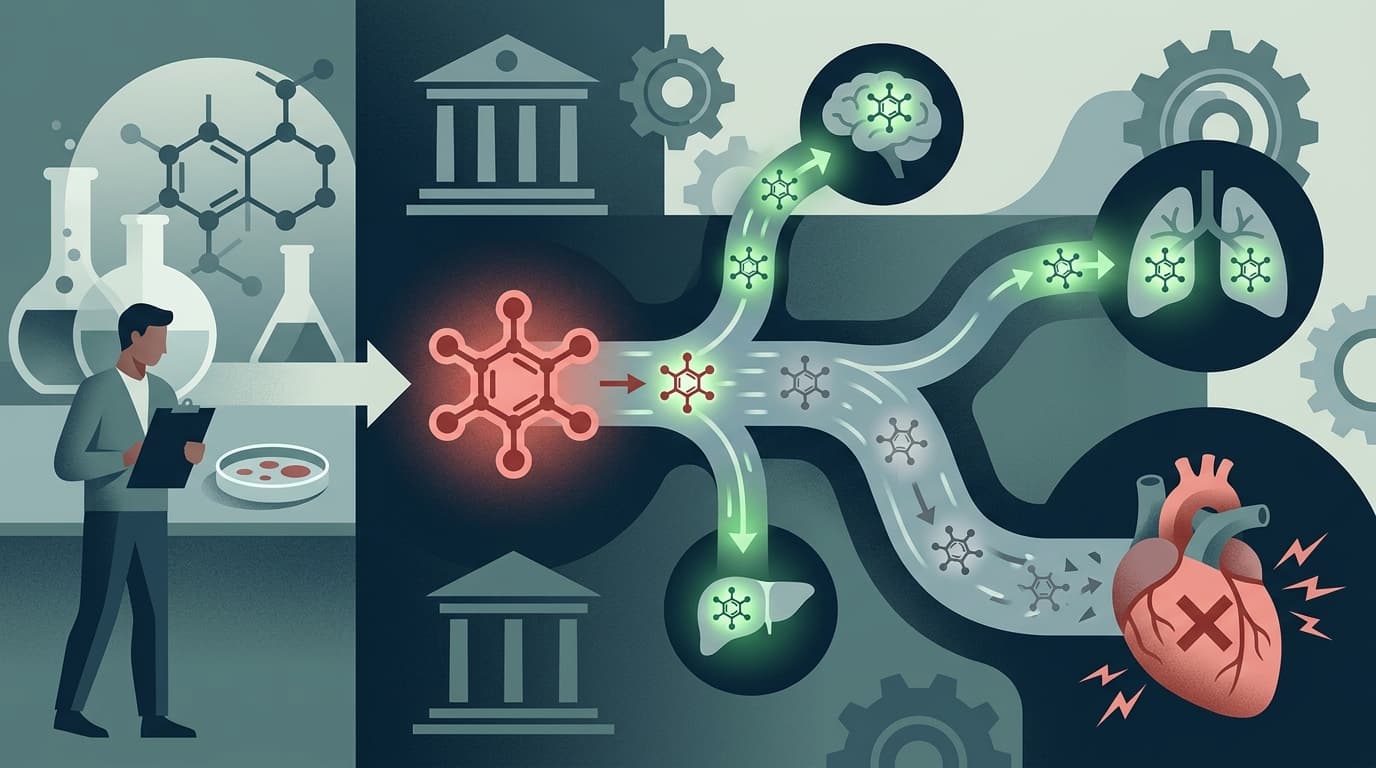
Meanwhile, the existing chemo cocktail carries serious long-term toxicity: heart damage, kidney damage, hearing loss, secondary cancers, infertility. These side effects hit especially hard in a patient population that skews young.
So when a drug finally clears a Phase III bar in relapsed osteosarcoma, the oncology world pays attention.

AstraZeneca and Ionis' Wainua crushed it in nerve disease, so everyone expected it to dominate in heart failure caused by the same rogue protein. A 1,432-patient Phase 3 trial just proved that biology doesn't work that way.


Join thousands of biotech professionals who start their day with our free, daily briefing.

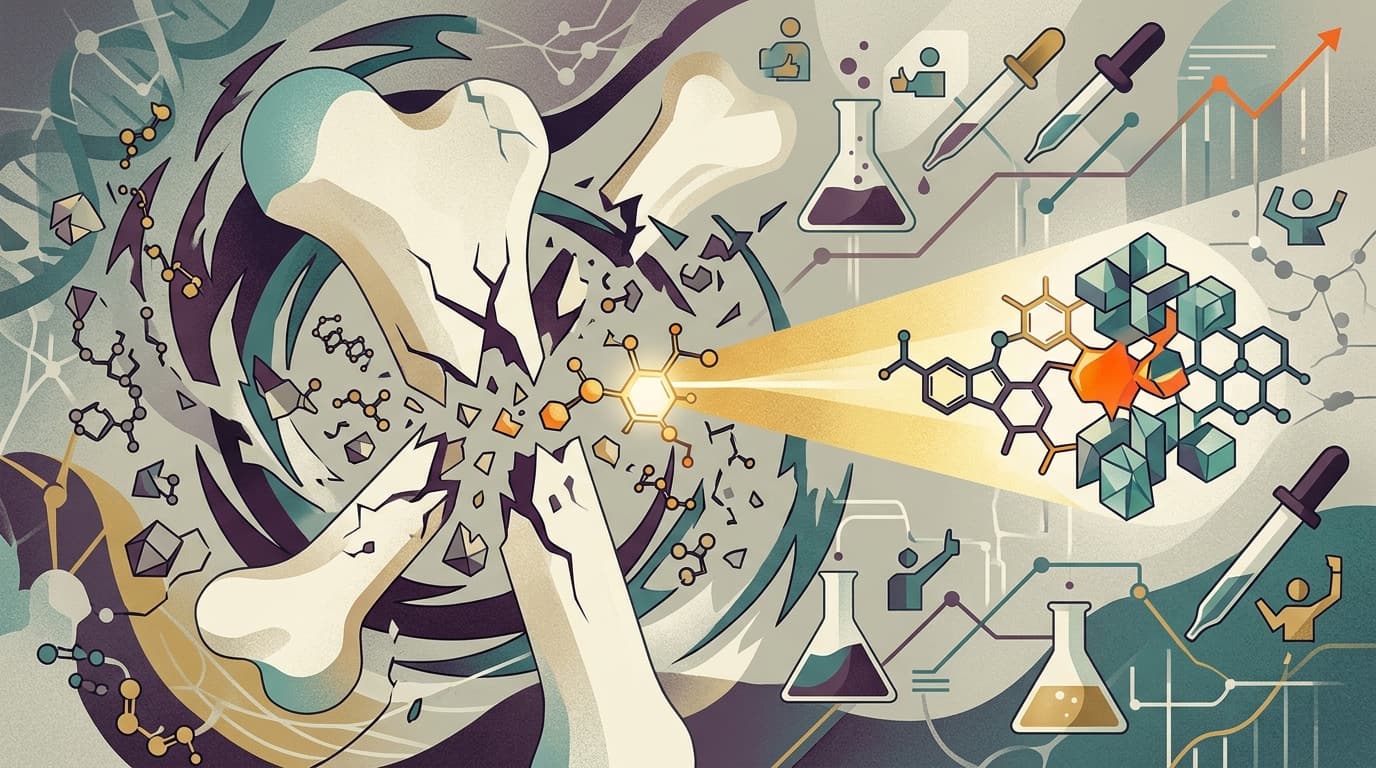
Ris-Rez is an antibody-drug conjugate. Think of it as a guided missile: the antibody portion locks onto a protein called B7-H3 that sits on the surface of tumor cells, and then it delivers a toxic payload directly into the cancer. The beauty of this approach is precision. Instead of carpet-bombing the whole body with chemotherapy, the drug homes in on cells displaying its target.
B7-H3 is an intriguing target because it shows up on a wide range of solid tumors but has limited expression on normal tissues. That gives ADCs targeting it a favorable therapeutic window; you can hit the tumor without wrecking everything else.
ARTEMIS-011 was a randomized, open-label Phase III trial that pitted Ris-Rez against investigator's choice chemotherapy. Patients were randomized 2:1 in favor of the ADC. The primary endpoint was PFS as judged by an independent review committee using standard RECIST criteria.
The result: Ris-Rez delivered a statistically significant and clinically meaningful improvement in PFS over chemo. Secondary endpoints, including overall survival and investigator-assessed PFS, showed consistent benefit. The safety profile matched what earlier studies had shown, with no new red flags.
There's a catch, and it's an important one. Hansoh hasn't released the actual numbers. No hazard ratios. No median PFS values. No confidence intervals. The company says detailed data will be presented at an upcoming international oncology congress.
This is a common playbook in pharma: announce the topline win, save the granular data for a big-stage presentation. But it means analysts and clinicians are doing some educated guessing. In a population this heavily pretreated, "clinically meaningful" PFS improvement likely translates to several extra months without disease progression, possibly with a hazard ratio in the 0.6 to 0.7 range. That's inference, though, not confirmed data.
The full dataset will tell us whether this is a transformative leap or a solid but incremental step. Both would be notable in osteosarcoma. But the difference matters for how fast this drug reshapes clinical practice.
This isn't Ris-Rez's first Phase III win. Hansoh's ADC already posted positive results in small-cell lung cancer, making it the only B7-H3 ADC to clear Phase III in multiple tumor types. That's a meaningful data point. Hitting in two very different cancers suggests the platform works broadly, not just in one lucky indication.
The B7-H3 space is getting crowded, too. Daiichi Sankyo (partnered with Merck) has DS-7300a, a B7-H3 ADC using a topoisomerase I payload, in clinical development across multiple solid tumors. MacroGenics is running its own B7-H3 ADC, MGC018, with a duocarmycin payload. An Asian-developed agent called YL201 has already entered Phase III trials in small-cell lung cancer and nasopharyngeal carcinoma.
No B7-H3 ADC has been approved anywhere yet. The race to be first is genuinely competitive, and Hansoh's back-to-back Phase III wins put it in a strong position, at least in China.
Hansoh plans to engage with China's NMPA (the country's drug regulator) to file for approval in advanced osteosarcoma. Given the rarity of the disease and the staggering unmet need, priority review pathways are a real possibility.
GSK, which has a partnership with Hansoh on this asset, has been publicly enthusiastic about the results, framing the osteosarcoma win as further validation of its ADC strategy. The question now is whether the data package is strong enough to support global regulatory filings beyond China.
For osteosarcoma patients and the doctors who treat them, the calculus is simpler. They've been stuck with the same tools since before the internet existed. A new option that genuinely extends the time before disease progresses, with a manageable safety profile, would be the most meaningful advance in this cancer in a generation.
The full data presentation will be the real test. But after 40 years of nothing, even reaching this point feels like something worth watching.
Supernus and Indivior are merging into a $2.2 billion CNS and addiction powerhouse, combining ADHD drugs with the dominant opioid treatment franchise. It's specialty pharma's latest bet that brain disorders and addiction belong under one roof.