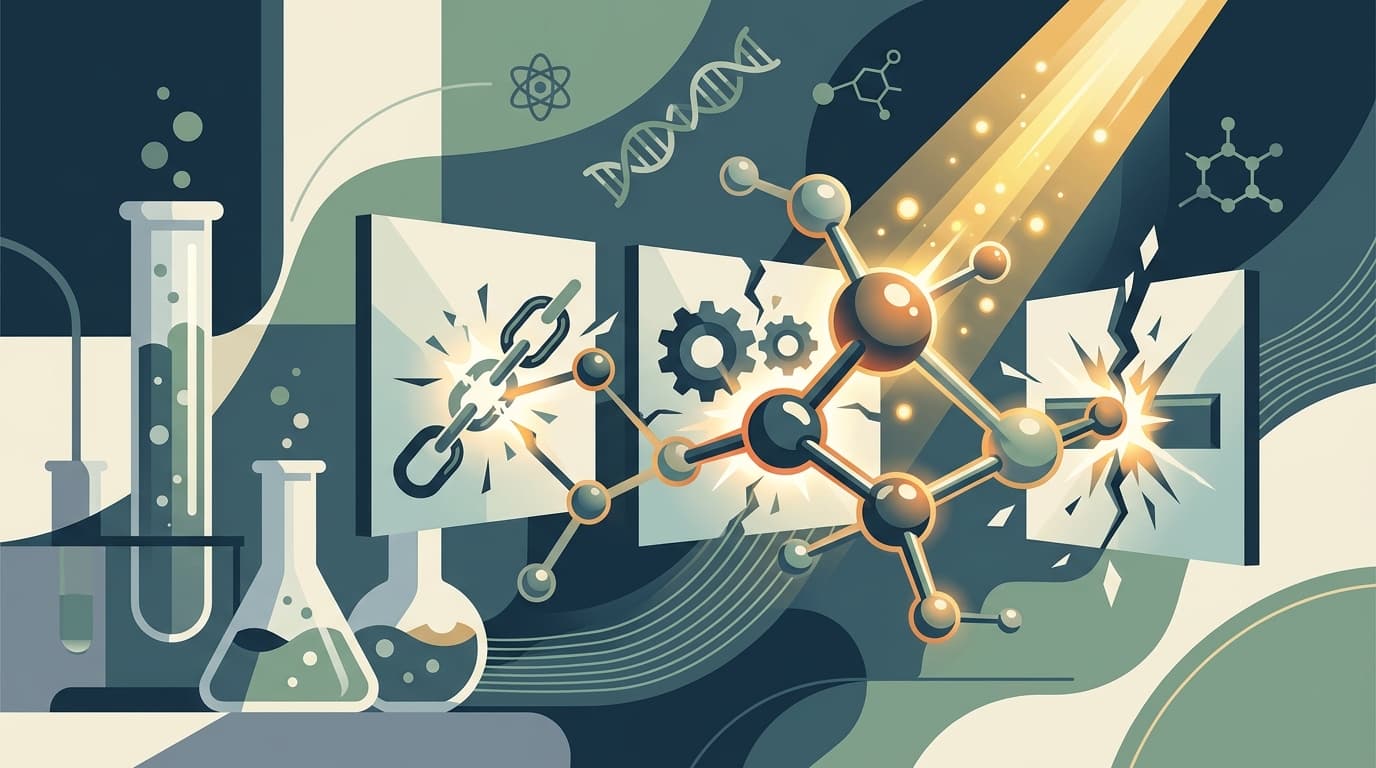

A Shanghai biotech just got FDA clearance to test a drug that combines three "impossible" chemistry approaches in one molecule. NTS231 targets a cancer protein nobody's been able to drug, and the way it works is unlike anything in the clinic today.
In drug development, doing one hard thing is impressive. Doing three hard things at the same time, in a single molecule, and then getting the FDA to let you test it in humans? That's the biotech equivalent of landing a triple axel on your first Olympic appearance.
Shanghai-based Nutshell Therapeutics just pulled it off. On September 25, the FDA cleared the company's IND (investigational new drug application) for NTS231, a molecule that combines three notoriously difficult chemistry approaches into one clinical candidate: covalent binding, allosteric control, and targeted protein degradation. Each of those techniques has its own graveyard of failed programs. Nutshell is betting it can use all three together.
The target? A protein called NRF2 that cancer researchers have been trying to drug for years. NTS231 is only the second NRF2 degrader in the world to reach the clinic, and the first from a Chinese biotech.
Think of NRF2 as a panic room inside a cancer cell. When chemotherapy, radiation, or targeted drugs come knocking, NRF2 activates a suite of defense programs: antioxidant shields, detoxification enzymes, drug efflux pumps (basically molecular bouncers that shove drugs back out of the cell). The result is that tumors with high NRF2 activity tend to shrug off treatment.
Elevated NRF2 signaling is linked to poor prognosis and treatment resistance across multiple cancer types. Researchers have known this for a while. The problem is that NRF2 itself is incredibly hard to block with traditional small-molecule inhibitors. It's a transcription factor, which means it doesn't have the neat little binding pockets that most drugs need to latch onto. The protein is essentially smooth and featureless, like trying to stick a Post-it note on a bowling ball.
No NRF2 inhibitor has made it to the clinic in approved form. That's the unmet need Nutshell is chasing.
So if you can't block NRF2 directly, what do you do? You get the cell to destroy it instead.

Novo Nordisk is spending up to $1.325 billion on a drug-coating technology thinner than a human cell. The bet: turn weekly obesity shots into monthly ones before competitors beat them to it.


Join thousands of biotech professionals who start their day with our free, daily briefing.
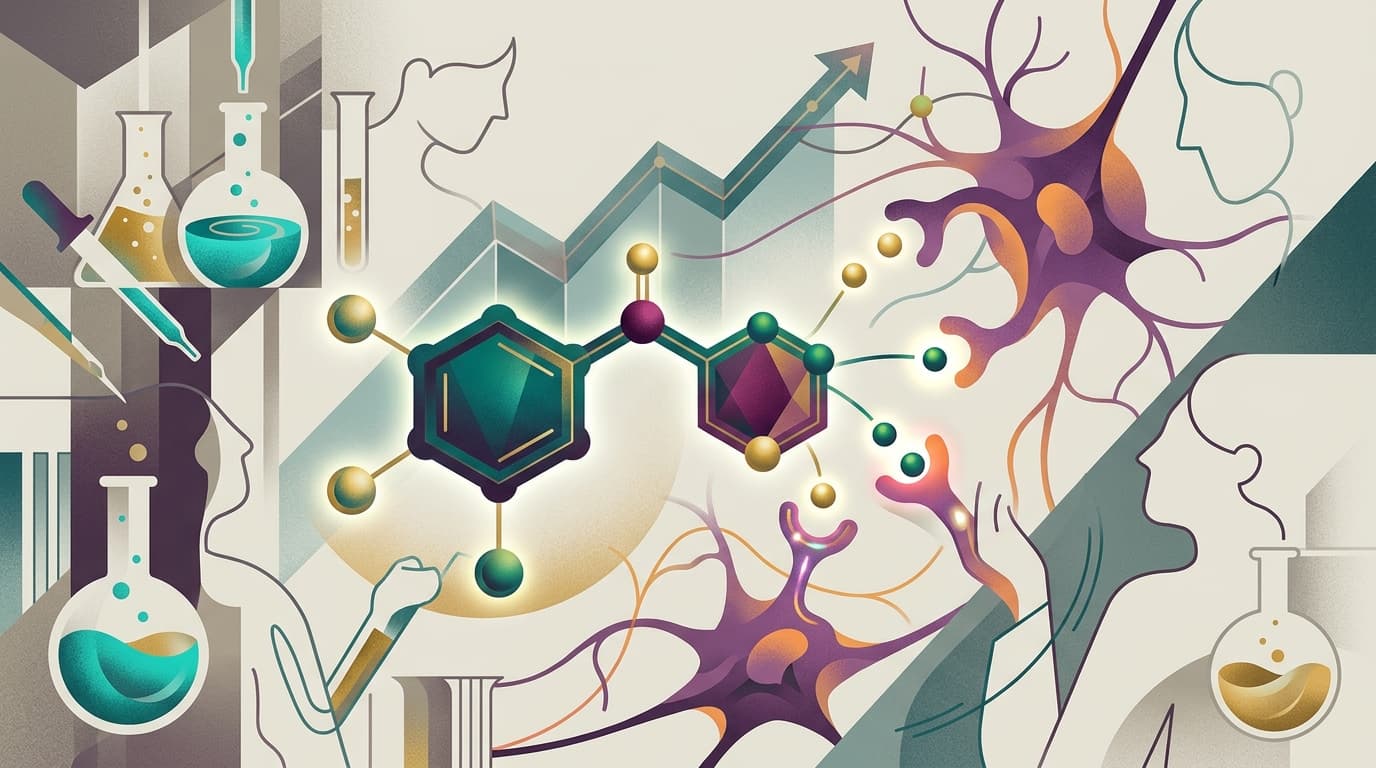
NTS231 doesn't touch NRF2 at all. Instead, it targets a protein called KEAP1, which is NRF2's natural executioner. In healthy cells, KEAP1 teams up with another protein called CUL3 to form a molecular machine (an E3 ubiquitin ligase complex) that tags NRF2 for destruction. Cancer cells often find ways to disrupt this system, letting NRF2 accumulate and crank up its survival programs.
NTS231 restores the hit squad. It works in a precise four-step sequence:
The result: NRF2 signaling drops, and cancer cells lose their defense shields.
The molecular glue degrader field is still young, and most programs in the clinic are built around a single mechanism. Monte Rosa Therapeutics partnered with Novartis on MRT-6160, which reached Phase 2 for Sjögren's disease in 2026.
But NTS231 is doing something different from all of them. Combining covalent binding with allosteric modulation with molecular glue degradation in a single molecule is genuinely novel. It's not just a new drug; it's a new type of drug.
If it works, the implications go beyond NRF2. A platform that can covalently glue proteins together while reshaping them allosterically could, in theory, reach other "undruggable" targets that have frustrated the industry for decades.
Nutshell Therapeutics was founded in 2013 by Professor Zhang Jian and has built an AI-powered allosteric drug discovery platform that integrates computational design with traditional wet-lab chemistry. The company has raised roughly $75 million or more across multiple venture rounds, and it closed a Series C1 financing in September 2026 (co-led by Citic Capital and Decheng Capital) that added tens of millions more.
NTS231 isn't Nutshell's only trick. The company also has NTS071, a p53 Y220C allosteric reactivator that has received its own FDA IND clearance. Both programs share the same thesis: use allosteric mechanisms to go after proteins that conventional drugs can't touch.
Let's be honest about what an IND clearance means and what it doesn't.
The bull case is straightforward. Nutshell has a genuinely differentiated molecule in a therapeutic space with zero approved competitors. Being only the second NRF2 degrader to reach the clinic gives the company first-mover positioning in a target class that pharma has been eyeing hungrily. The triple-mechanism chemistry could attract major partnership interest.
The bear case is equally real. IND clearance means the FDA is comfortable enough to let human testing begin. It says nothing about whether the drug actually works, whether it's safe enough, or whether NRF2 degradation will translate into clinical benefit. The trial design, indication, and dosing details haven't been disclosed yet. And novel chemistry cuts both ways: the more unprecedented the approach, the less historical data you have to predict what will happen in patients.
The honest read? This is a platform credibility milestone, not a proof-of-concept moment. Nutshell just earned the right to take the exam. Whether it passes is a completely different question.
The big catalysts from here are the details the company hasn't shared yet: which cancer type they're targeting first, how the Phase 1 trial is designed, and (eventually) the first human pharmacology data showing whether NTS231 actually engages KEAP1 and degrades NRF2 in patients.
For the broader molecular glue degrader field, every new IND clearance is a signal that this drug class is maturing. The question isn't whether protein degradation works (it clearly does in certain settings). The question is how far you can push the chemistry. With NTS231, Nutshell is pushing further than anyone has tried before.
For decades, families with Sanfilippo syndrome were told to take their kids home and love them. Now a $3.9 million gene therapy from Ultragenyx is the first FDA-approved treatment for this fatal childhood brain disease, and it's part of a wave that's reshaping rare disease medicine.