
Novartis is cutting 130 jobs and closing a Basel biologics site, but the real story is much bigger. The pharma giant is part of an industry-wide manufacturing reshuffling that's rewriting the map of where drugs get made.
Sometimes the reason a pharma giant closes a factory isn't a dramatic pipeline failure or a hostile takeover. Sometimes it's just a lease running out.
Novartis announced plans to shut down small-volume biologics production at its Kleinbasel site in Basel, Switzerland, eliminating roughly 130 jobs. Production will wind down by the end of 2027, and the remaining lab work (cell banks, analytical testing, technical development) will relocate to the main Novartis campus by the end of 2028. The trigger? The site's lease expires in 2029, and Novartis apparently decided renewing it wasn't worth the trouble.
The work won't disappear. Novartis says biologics manufacturing will shift to other existing sites in its European network, while the lab functions move just across town to the main Basel campus. Think of it less like closing a restaurant and more like merging two kitchen locations into one.
But zoom out, and this isn't just a story about one building in Basel. It's a window into how the entire pharma manufacturing landscape is being reshuffled.
Novartis has been on a multi-year manufacturing diet. According to its 2025 annual report, the company has closed, exited, consolidated, or sold six manufacturing sites since 2021. The Kleinbasel closure adds to that tally.
The logic is straightforward: Novartis's product portfolio is shifting. It's moving away from high-volume tablets and capsules toward lower-volume, more specialized medicines like biologics, radioligand therapies (treatments that deliver radiation directly to cancer cells), and cell therapies. Running a sprawling network of older factories built for a different era of drug manufacturing doesn't make sense when the products themselves are changing.
So Novartis is consolidating. In Switzerland alone, the company previously announced up to 550 job cuts at its Stein site by the end of 2027, tied to phasing out older tablet and capsule production lines. At the same time, it's expanding RNA therapeutics capacity at its Schweizerhalle facility nearby.

Eli Lilly is rolling out cheaper single-dose vials of Zepbound's highest doses, slashing monthly costs by up to $587 compared to the autoinjector pen. It's a calculated move in an increasingly fierce GLP-1 pricing war, and it could reshape who gets access to the biggest blockbuster in pharma.


Join thousands of biotech professionals who start their day with our free, daily briefing.
It's the corporate equivalent of cleaning out your closet: toss the stuff that doesn't fit anymore, make room for what does.
While Novartis trims its European manufacturing footprint, it's doing the opposite in the United States. In April 2025, the company announced a $23 billion, five-year investment plan covering 10 U.S. facilities, including seven brand-new ones.
The goal is ambitious: produce 100% of its key medicines end-to-end in the U.S. The new sites, anchored by a flagship hub in North Carolina (with facilities in Durham and Morrisville expected to open in 2027 and 2028), will handle biologics drug substances, sterile filling, device assembly, and packaging.
Why the rush to build American? Two words: tariffs and geopolitics. Localizing production in your biggest market insulates you from trade disruptions. It also looks great on a slide deck when Washington is pressuring pharma companies to bring manufacturing home.
So Novartis isn't shrinking its manufacturing capacity overall. It's relocating it. The net effect is a leaner European network and a much larger American one, optimized for the kinds of complex medicines that will drive revenue over the next decade.
The Kleinbasel closure fits neatly into a broader industry-wide pattern that's been playing out across 2025 and 2026. Big pharma and contract manufacturers alike are closing underutilized sites, particularly in biologics and advanced therapies.
AstraZeneca shut two biologics plants in Colorado, cutting 210 jobs. BioNTech closed multiple manufacturing facilities and eliminated about 1,860 positions as COVID-19 vaccine demand cratered. Thermo Fisher Scientific shuttered a New Jersey biologics site, laying off 113 workers. Resilience, a major contract manufacturer, wound down six underutilized U.S. sites in a sweeping restructuring.
The common thread? Overcapacity. The pandemic triggered a massive buildout of biologics and vaccine manufacturing. Companies raced to add capacity when it seemed like mRNA and cell therapy demand would grow indefinitely. Now that the COVID boom has faded and some advanced-therapy pipelines have underperformed, the industry has more factory space than it needs.
This isn't a crisis; it's a correction. The industry overbuilt during a gold rush, and now it's right-sizing. The model emerging on the other side looks like "fewer, bigger, more strategic sites" rather than sprawling global networks.
For the roughly 130 employees affected in Basel, the corporate strategy talk is cold comfort. Novartis says it will support displaced workers through job placement centers, early retirement options, and an extended social plan running through the end of 2028. The final number of job cuts could change, since the plan is still subject to an employee consultation process required under Swiss labor law.
It's worth noting that Novartis isn't abandoning Basel. The company's global headquarters and major research operations remain there, and some of the Kleinbasel lab functions are simply moving to the main campus. But for the production workers whose jobs are being transferred to other European sites, "your role is moving to another country" isn't exactly reassuring.
Novartis closing a small biologics site in Basel barely registers as a headline on its own. It's 130 jobs at a company with tens of thousands of employees worldwide. The production was small-volume, the lease was expiring, and the work is being absorbed elsewhere.
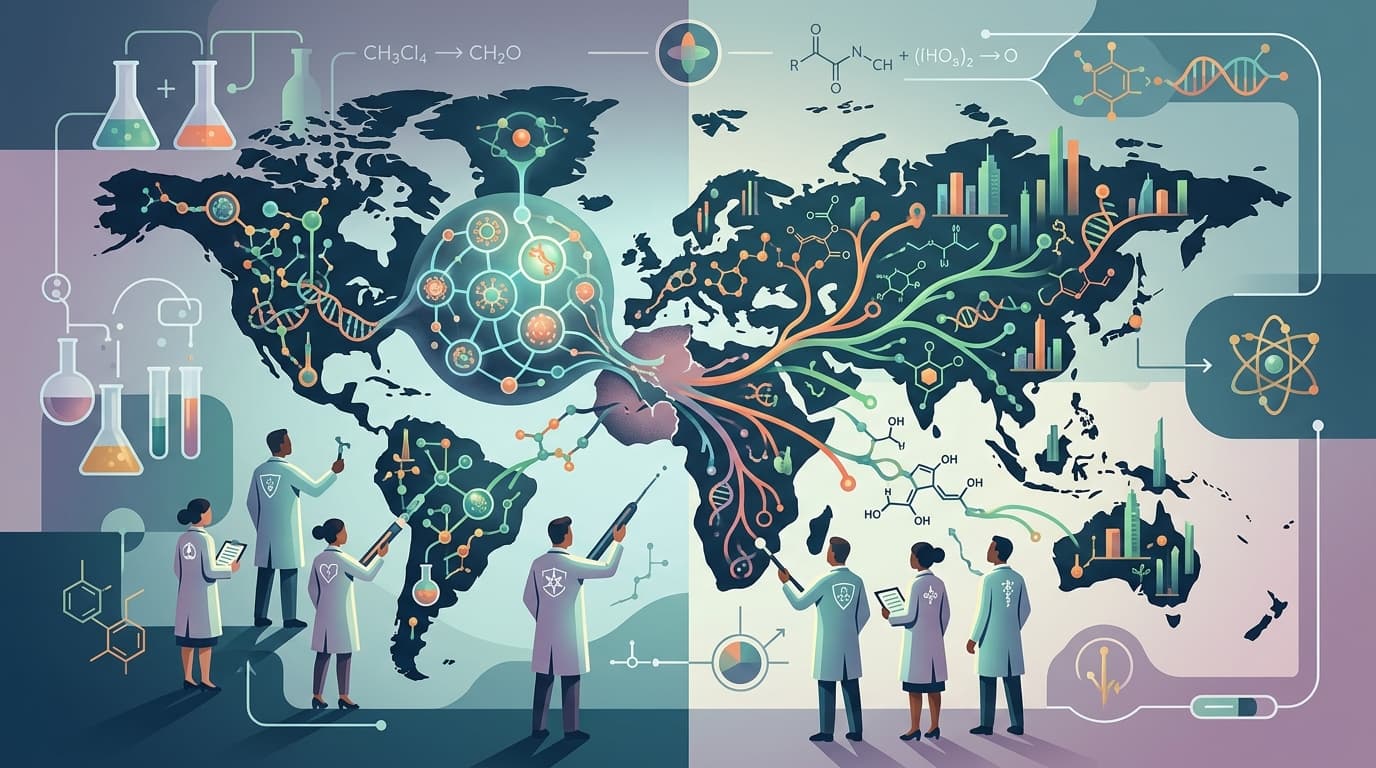
But stack this next to the Stein cuts, the $23 billion U.S. buildout, the six sites consolidated since 2021, and a dozen similar moves by competitors, and a clear picture forms. Pharma manufacturing is being fundamentally remapped. Production is moving closer to the biggest markets. Legacy sites built for yesterday's drug portfolio are being replaced by purpose-built facilities for tomorrow's.
For investors, this is a story about margins and efficiency. For the cities and workers left behind, it's more complicated. The factories that once anchored local economies are becoming line items in optimization spreadsheets.
The lease in Kleinbasel expires in 2029. Novartis decided not to wait around for it.
United Therapeutics' Tyvaso, already approved for pulmonary hypertension, just aced two Phase 3 trials in a completely different disease: the deadly lung-scarring condition IPF. The results are reshaping a competitive landscape that patients desperately need shaken up.