
Merck just pulled a critical last-resort antibiotic from the U.S. market while superbugs are surging. The reason says everything about why the antibiotic pipeline is collapsing, and why Congress still hasn't fixed it.
Imagine you're a firefighter, and the city just told you they're removing the biggest ladder from your truck. Not because it's broken. Not because it doesn't work. Just because it doesn't make enough money.
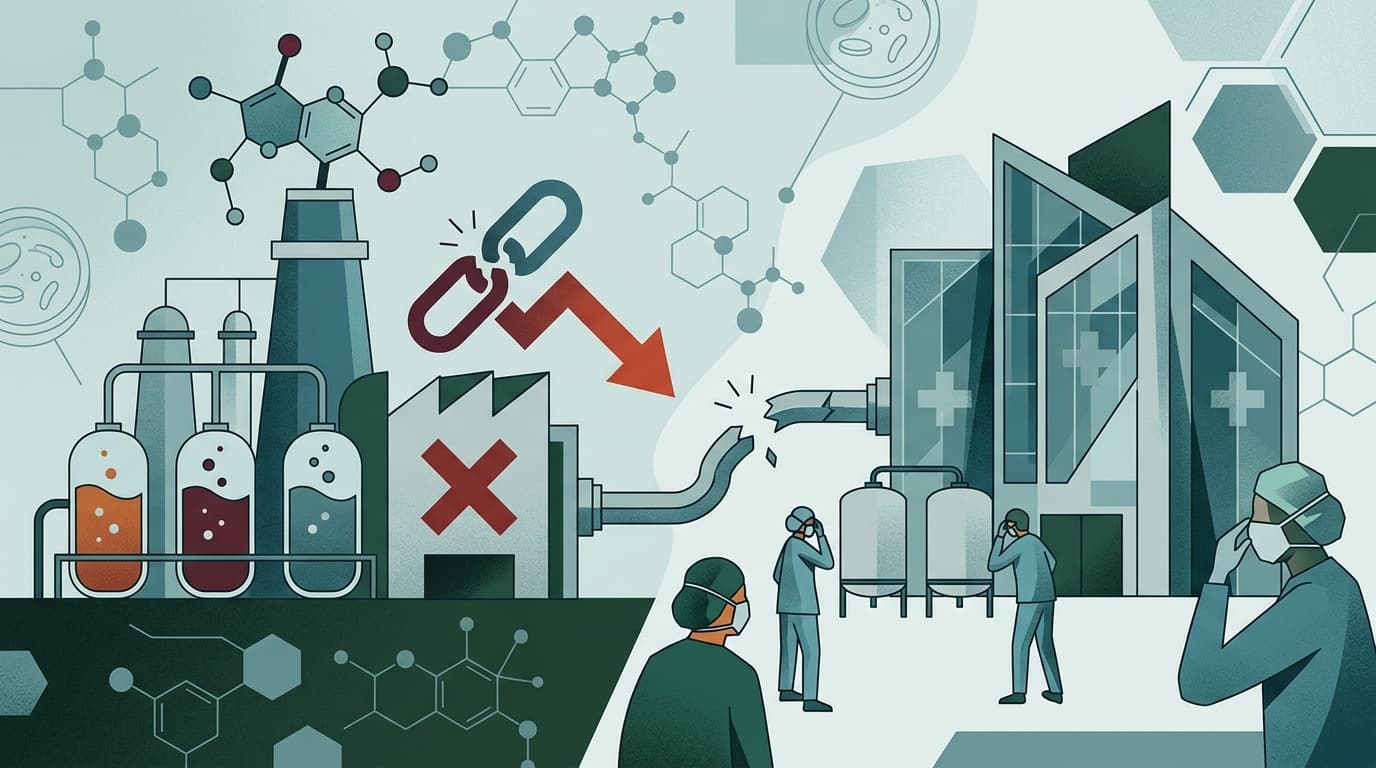
That's roughly what just happened in infectious disease medicine. Merck has stopped supplying Recarbrio in the United States, a powerful three-drug antibiotic injection reserved for the nastiest hospital infections: ventilator-acquired pneumonia, complicated urinary tract infections, and abdominal infections that laugh at other treatments. The company notified the FDA of the withdrawal but offered no public explanation.
Recarbrio (imipenem/cilastatin/relebactam, if you want the tongue-twister) was built specifically to fight drug-resistant bacteria. It was designed to be the backup plan when the backup plan fails. And now it's gone from the U.S. market.
To understand why a major pharma company would walk away from a drug that hospitals actually need, you have to understand the most absurd business model in medicine.
Antibiotics like Recarbrio are supposed to be used sparingly. Doctors hold them in reserve so that bacteria don't develop resistance to them. That's good medicine; it's also terrible business. You've essentially designed a product that your customers are told not to buy unless absolutely necessary.
Compare that to, say, a cholesterol drug. Millions of people take statins every single day, for years. The revenue flows like a river. A last-resort antibiotic, by contrast, is more like a fire extinguisher: critically important, rarely used, and nobody wants to pay a premium for it sitting on the shelf.
Developing a new antibiotic costs roughly $1.2 to $1.5 billion. But sales for some of these drugs clock in at $100 million or less. You don't need an MBA to see the problem. The math simply doesn't work, and it hasn't for years.
Merck isn't the first to throw in the towel. because the returns don't justify the investment. The pipeline that remains is mostly carried by small biotech firms and public funding, and those small companies are fragile. They're one bad quarter away from bankruptcy.

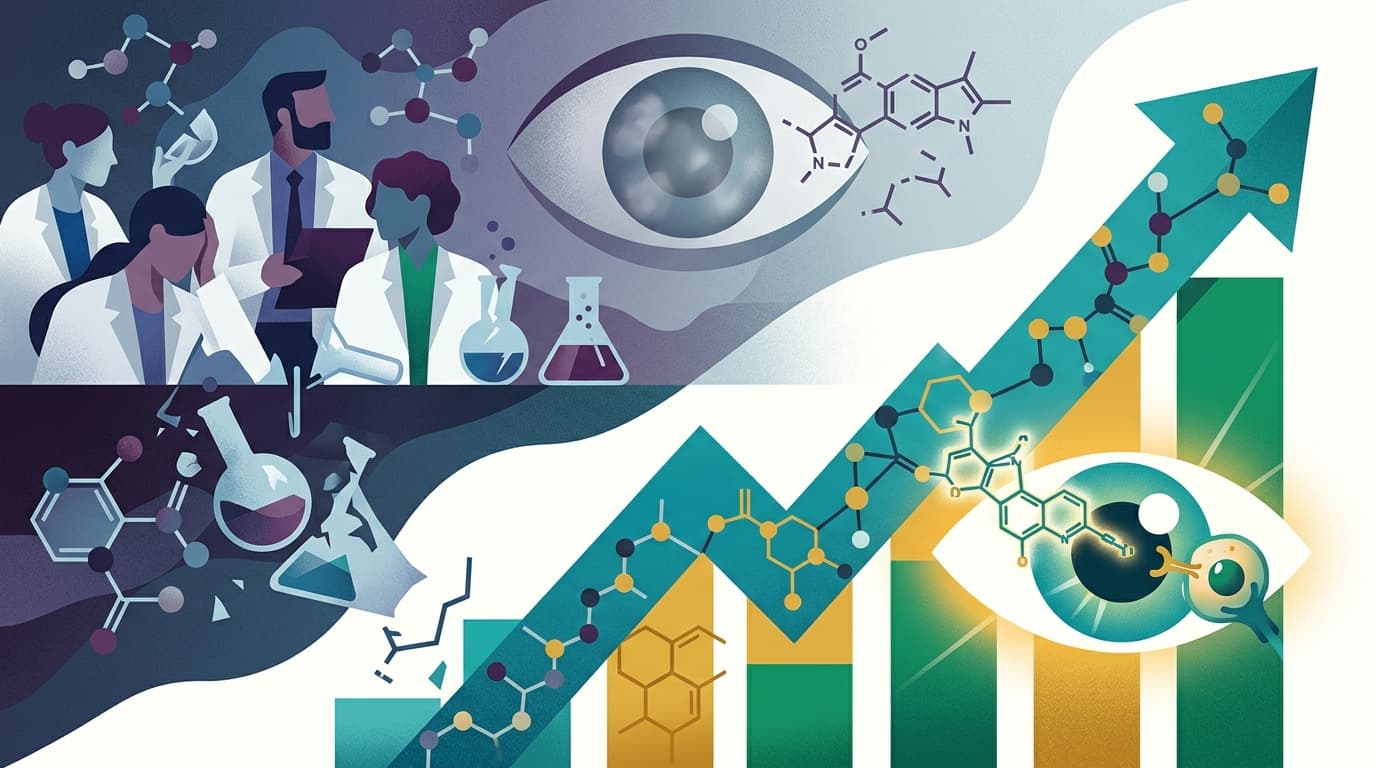
Kodiak Sciences failed three consecutive Phase 3 trials and was left for dead. Then its redesigned wet AMD study matched Eylea's efficacy while more than half of patients went six months between injections, nearly tripling the stock overnight.


Join thousands of biotech professionals who start their day with our free, daily briefing.

This is what experts call a "market failure," and it's been accelerating. The exit of talent and capital from antibiotic R&D isn't slowing down; it's speeding up. Each departure makes the next one more likely, because every company that leaves sends the same signal to investors: this space doesn't pay.
Merck's withdrawal of Recarbrio isn't just one product disappearing. It's a flashing warning sign that even established companies with deep pockets can't find a reason to stay in the game.
While the business side crumbles, the biological threat is growing. The WHO reported that one in six lab-confirmed bacterial infections worldwide are now resistant to antibiotics. Resistance increased in more than 40% of monitored antibiotic-pathogen combinations between 2018 and 2023.
In the U.S. alone, drug-resistant infections hit more than 2.8 million people per year and kill over 35,000. When you include C. diff (a gut infection often triggered by antibiotic use), those numbers jump past 3 million infections and 48,000 deaths. A 2026 congressional report pegged the cost to the U.S. healthcare system at about $5.7 billion annually.
The projections for the future are even grimmer. Without new drugs and stronger controls, researchers estimate nearly 2 million direct deaths per year globally by 2050, with more than 8 million total deaths linked to antimicrobial resistance. That would make superbugs a bigger killer than most cancers.
So to recap the situation: the threat is growing, the arsenal is shrinking, and the companies that could help are walking away.
There is a proposed solution. It's been floating around Washington since 2020. It's called the PASTEUR Act, and the concept is elegant: instead of paying antibiotic companies based on how many doses they sell (which punishes restraint), the government would pay a fixed subscription fee for access to critical antibiotics. Think of it like a Netflix model for drugs. The government pays for the right to use them, regardless of volume.
The idea has broad support from medical and scientific organizations. It's been reintroduced in Congress multiple times. The House version was referred to committee in February 2026; the Senate version landed in the HELP Committee in June 2026.
And yet, it has never received a floor vote. Not once.
The older incentive law, the GAIN Act of 2012, tried a different approach: giving qualifying antibiotics five extra years of market exclusivity. It was a start, but exclusivity doesn't help much when the underlying sales are too small to matter. It's like giving a lemonade stand an extra hour of operation when the real problem is that nobody's buying lemonade.
For infectious disease doctors, losing Recarbrio means one fewer tool in an already thin toolkit. Hospitals treating patients with severe resistant infections will need to find substitutes, and those alternatives may be less effective, harder to access, or more likely to breed further resistance.
The concern isn't just clinical. It's psychological. Every time a useful antibiotic vanishes from the market, it reinforces the narrative that developing these drugs is a losing bet. That makes it harder to attract the next generation of scientists and investors to the field. The pipeline gets thinner. The options narrow. The cycle continues.
Merck didn't pull Recarbrio because it stopped working. There's no safety issue, no efficacy concern. The most supportable explanation is commercial: the drug couldn't generate enough revenue to justify its place in the portfolio.
That's the core tragedy of the antibiotic crisis. We're not running out of antibiotics because the science is impossible. We're running out because the economics are broken, and nobody with the power to fix them has done it yet.
The superbugs aren't waiting for Congress to act. They're evolving right now, in hospitals, in communities, in countries around the world. Every month without a real incentive structure is another month where the gap between the threat and our response gets wider.
Recarbrio was one ladder on the fire truck. The question is how many more we can afford to lose before the next fire burns out of control.
Merck just dropped $400 million on a Chinese biotech's preclinical cancer drug targeting a protein scientists called "undruggable" for 40 years. The KRAS G12D race is on, and Merck's gamble says everything about where Big Pharma is shopping for its next blockbuster.