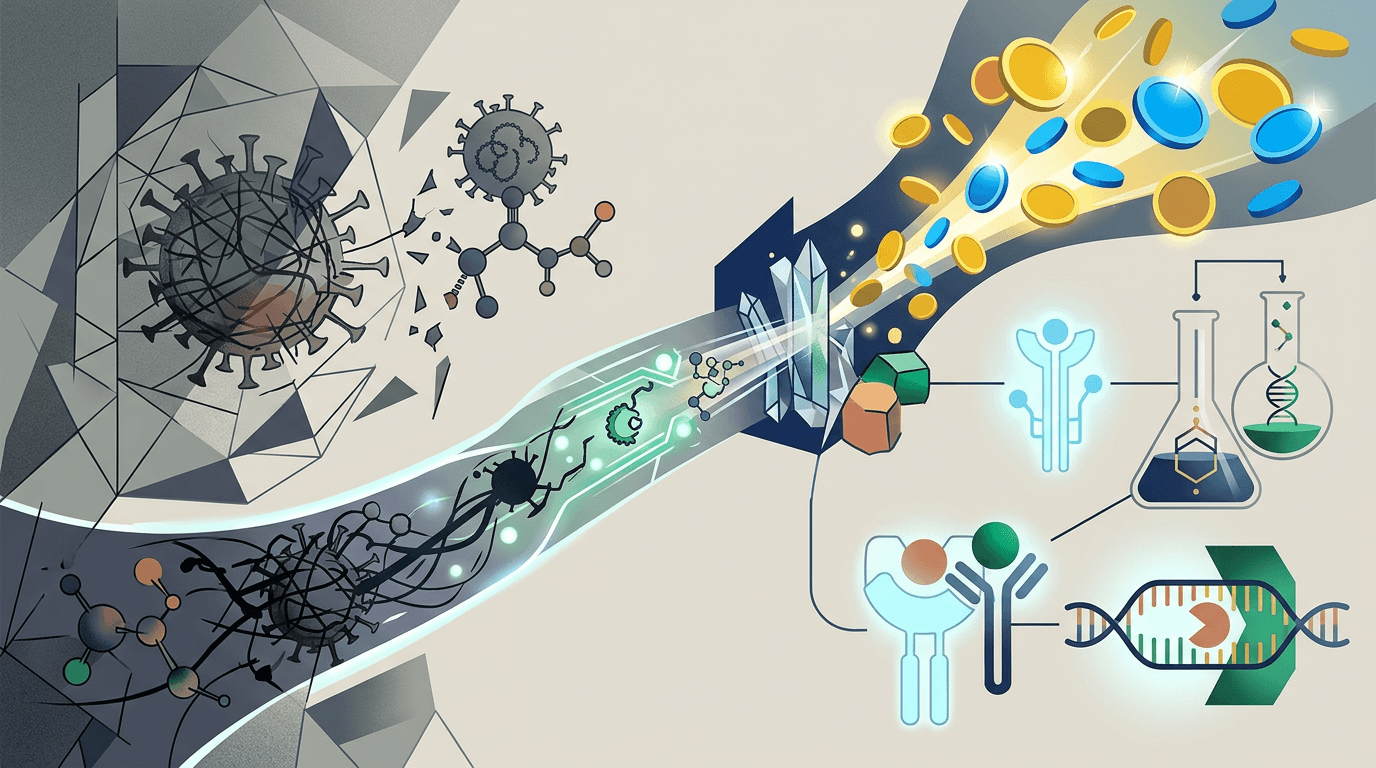

Ipsen just dropped up to €700 million on a Swiss biotech's antibody that targets a virus most people have never heard of. The catch: it's the only thing in development for a condition that wrecks transplanted kidneys, and the Phase II results are messy enough to make things interesting.
Your kidneys are one of the few organs strangers will give you while they're still alive. About 27,000 kidney transplants happen in the U.S. every year. And for a surprisingly large chunk of those patients, a virus most people have never heard of threatens to destroy the gift.
It's called BK polyomavirus. It lurks dormant in most of us, totally harmless, until a transplant patient's immune system gets deliberately suppressed to prevent organ rejection. Then BK wakes up. It infects the new kidney, causes inflammation (called BK virus nephropathy), and in more than half of affected cases, the transplanted kidney fails.
The kicker? There is zero approved treatment that specifically targets BK virus. None. The best doctors can do is dial back the immunosuppression drugs and hope the patient's own immune system clears the infection. But that's a brutal tradeoff: back off the anti-rejection meds too much, and the body might reject the kidney anyway. It's like trying to put out a kitchen fire by turning off the smoke detector.
French pharma company Ipsen just bet up to €700 million (roughly $800 million) that it can solve this problem.
The target of Ipsen's acquisition is Memo Therapeutics, a clinical-stage biotech spun out of ETH Zürich back in 2012. The company was born from Prof. Sven Panke's Bioprocess Lab, where researchers developed a clever way to capture and screen entire libraries of human antibodies at massive scale using droplet microfluidics (think: sorting millions of tiny water droplets, each containing a single antibody-producing cell, to find the rare gems).
That platform, called DROPZYLLA®, is essentially an antibody treasure hunt on steroids. It sifts through a person's complete immune memory to find the most potent antibodies against a given target. And the crown jewel it uncovered? An antibody called potravitug, which neutralizes all major strains of BK virus.
Potravitug is what Ipsen is really buying here. The deal is structured so that everything potravitug and its related team gets carved out into a separate company called Memorises Bio, which Memo's existing shareholders keep. Ipsen walks away with one asset and the people behind it. Clean, focused, surgical.

Corcept Therapeutics just got FDA approval for the first drug that blocks cortisol from shielding tumors against chemotherapy. The approval came nearly four months early, and it could reshape treatment for the thousands of ovarian cancer patients who've run out of options.


Join thousands of biotech professionals who start their day with our free, daily briefing.
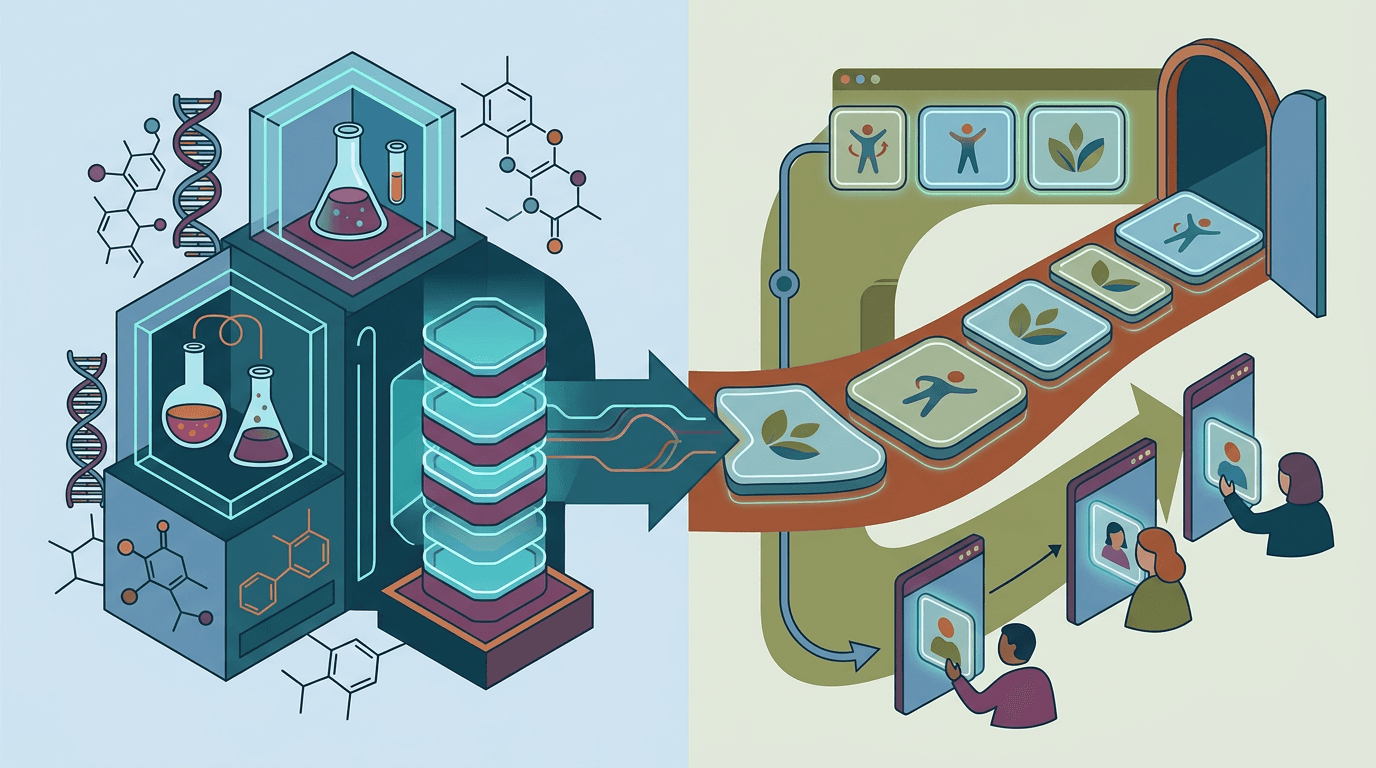
The deal breaks down like this: €200 million upfront at closing, with over €500 million more in milestones tied to clinical progress, regulatory approvals, and commercial sales targets. Closing is expected in Q3 2026.
That structure tells you something important. Ipsen isn't writing a blank check. More than 70% of the total deal value only gets paid if potravitug actually works in a pivotal trial, gets approved, and sells well. It's an option-like bet: limited downside (€200 million is real money, but manageable for a company Ipsen's size), with the full payout contingent on success.
Analysts seem to agree the math checks out. Industry commentary has called the deal "aggressive but rational," noting that first-in-class biologics in concentrated rare disease markets routinely command these prices. If the commercial opportunity holds, €700 million starts to look like a bargain.
Ipsen's stock barely flinched on the news, dipping about 1-2%. Wall Street's verdict: makes sense, now show us the data.
Potravitug's journey to this point hasn't been a straight line. The Phase I trial in healthy volunteers went smoothly: no serious side effects, clean pharmacokinetics, nothing unusual. Standard stuff.
Phase II (called SAFE KIDNEY II) is where things got interesting. The study enrolled 95 kidney transplant patients with BK virus infections across 22 U.S. sites. And the primary endpoint? It missed. At 20 weeks, there was no statistically significant difference between potravitug and placebo in clearing the virus from the blood.
That sounds like a death sentence for most drugs. But dig into the secondary results and a different picture emerges.
Patients on potravitug showed meaningfully better viral load reductions over time. By week 38, about 24% of treated patients had completely undetectable virus levels, compared to just 13% on placebo. And the really compelling data came from kidney biopsies: the proportion of patients with biopsy-proven kidney damage dropped from 51% to 32% in the potravitug group. In the placebo group, it barely budged (24% to 24%). The antibody was actually healing the kidney tissue.
The safety profile stayed clean throughout, with no treatment-related serious adverse events. When you're treating patients who are already immunocompromised and on a cocktail of drugs, that matters enormously.
This acquisition fits neatly into a pattern Ipsen has been building for years. The company has been aggressively reshaping its rare disease portfolio, starting with its $952 million acquisition of Albireo Pharma (rare liver diseases) in 2023. It sold off legacy products like Increlex and wound down NutropinAq to clear space for higher-growth assets.
The strategy is paying off. Ipsen's rare disease segment grew a staggering 102.5% in 2025. The company's playbook is straightforward: find first-in-class or best-in-class assets in rare diseases with no approved competition, buy them at the clinical stage, and use Ipsen's global infrastructure to push them through pivotal trials and commercialization.
Potravitug fits that template perfectly. FDA fast-track designation (granted May 2023). EU orphan drug designation (December 2025). No approved competitors anywhere in the world. A concentrated patient population that specialty sales teams can reach efficiently.
Ipsen plans to advance potravitug into a pivotal Phase III trial later this year. The design will likely build on the secondary endpoint wins from SAFE KIDNEY II rather than relying on the same 20-week viremia clearance bar that the drug missed before.
This is where the deal will be won or lost. If the pivotal trial hits its endpoints, potravitug becomes the first-ever targeted therapy for BK virus nephropathy in transplant patients. That's not just a commercial milestone; it's a genuine paradigm shift for transplant medicine.
For the roughly 10-30% of kidney transplant recipients who develop BK viremia, and the 1-10% who progress to biopsy-proven kidney damage, the current standard of care is essentially "hope for the best while we reduce your anti-rejection meds." A targeted antibody that clears the virus and reverses kidney damage without increasing rejection risk would change the entire treatment algorithm.
Ipsen is betting €700 million that potravitug can do exactly that. Given the data so far, the safety profile, and the sheer emptiness of the competitive landscape, it's a bet worth watching closely.
AstraZeneca and Ionis' gene-silencing drug eplontersen did everything right biologically in a massive ATTR cardiomyopathy trial, yet still failed to keep patients alive or out of the hospital. The reason why could reshape how the entire industry thinks about combination therapy.