Immutep Lost Most of Its Value in a Single Day. Here's Why.
Immutep's stock cratered roughly 90% after an independent committee pulled the plug on its most important lung cancer trial. The failure raises tough questions about a once-promising immunotherapy approach and adds to a brutal streak of late-stage clinical disasters.
Imagine building a house for a decade, laying every brick by hand, and then watching it collapse the day before the open house.
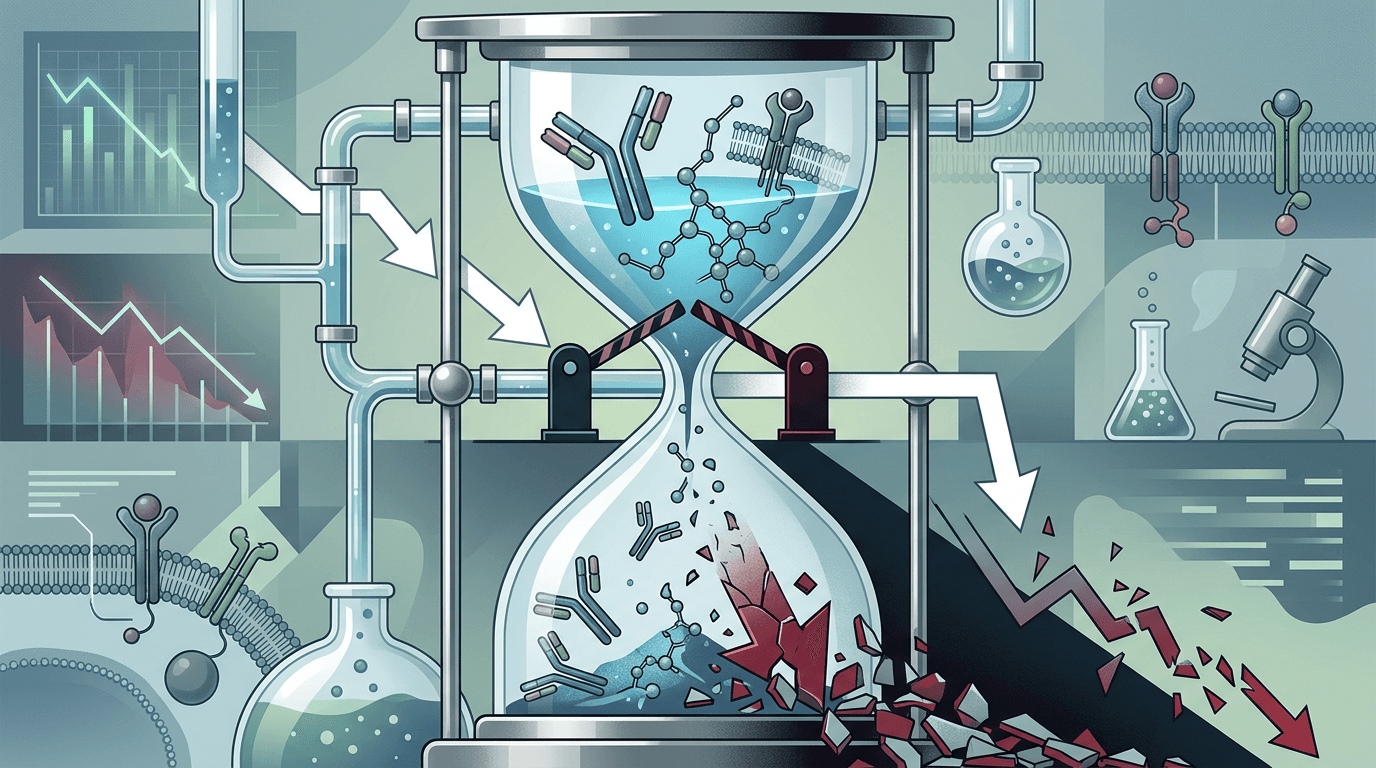
That's roughly what happened to Immutep on March 13, 2026. The Australian biotech's stock plummeted approximately 80% on NASDAQ and around 89% on the ASX in a single trading session, erasing nearly all of its market value overnight. The cause: an independent committee reviewed the company's most important clinical trial and essentially said, "This isn't going to work."
The Trial That Was Supposed to Change Everything
Immutep had been developing eftilagimod alfa (efti for short), a first-in-class cancer immunotherapy drug designed to work differently from most checkpoint inhibitors on the market. While drugs like Merck's blockbuster Keytruda work by "releasing the brakes" on your immune system's T cells, efti was supposed to "step on the gas pedal." It targets a protein called LAG-3 and activates antigen-presenting cells, which are the immune system's scouts. These scouts identify cancer cells and rally the T cells to attack.
The idea was elegant: combine the gas pedal (efti) with the brake releaser (Keytruda) and standard chemotherapy to create a triple-threat assault on lung cancer. The Phase 3 trial, called TACTI-004, enrolled patients with advanced or metastatic non-small cell lung cancer (NSCLC), the most common form of the disease. It was a big, ambitious study spanning more than 100 sites across 24 countries, with approximately 378 patients enrolled before the plug was pulled.
The trial's twin goals were straightforward: help patients live longer overall (overall survival) and delay the time before their cancer got worse (progression-free survival). It didn't hit either one.
The Futility Verdict
An independent data monitoring committee (IDMC), a group of outside experts who periodically peek at trial data to make sure things are on track, conducted a planned interim futility analysis. Think of it like a halftime report where the coaches decide whether the game is still winnable.
The committee's conclusion: Based on the available efficacy data, they determined the trial was unlikely to meet its primary endpoints. Immutep halted enrollment and began winding down the study.
More from this issue
View full issue →
Clinical & Regulatory4 min read
One Man Quit the FDA. Gene Therapy Stocks Went Berserk.
A single FDA departure sent gene therapy stocks soaring, with uniQure jumping 26% in one day. Vinay Prasad's exit from CBER after a chaotic 10-month tenure has the entire genetic medicines sector recalculating its odds.

Clinical & Regulatory
Get tomorrow's biotech intelligence before your competitors.
Join thousands of biotech professionals who start their day with our free, daily briefing.