
The FDA just launched a pilot program to speed up first-in-human drug trials in the U.S., and it works completely differently from any expedited pathway before it. If it succeeds, it could pull early-stage clinical work back from Australia and Asia, where American biotechs have been fleeing for years.
For years, American biotech companies have done something a little embarrassing: they've been flying their most promising drugs halfway around the world just to run the earliest safety tests. Australia, Singapore, South Korea. Anywhere but home.
The reason? Starting a first-in-human trial in the U.S. can take months (sometimes years) longer than it does abroad. Australia's streamlined pathway can get a drug into patients in as little as six to eight weeks. In the U.S., the regulatory paperwork alone could outlast a Netflix series.
Now the FDA is trying to change that. And the way it's doing it is genuinely different from anything we've seen before.
When the FDA says "expedited," most people think of programs like Fast Track, Breakthrough Therapy, or Priority Review. Fast Track and Priority Review have been around since the late '80s and early '90s, while Breakthrough Therapy was established in 2012, and they all focus on the back end of drug development: speeding up the review of applications once a drug is already well into (or past) clinical trials.
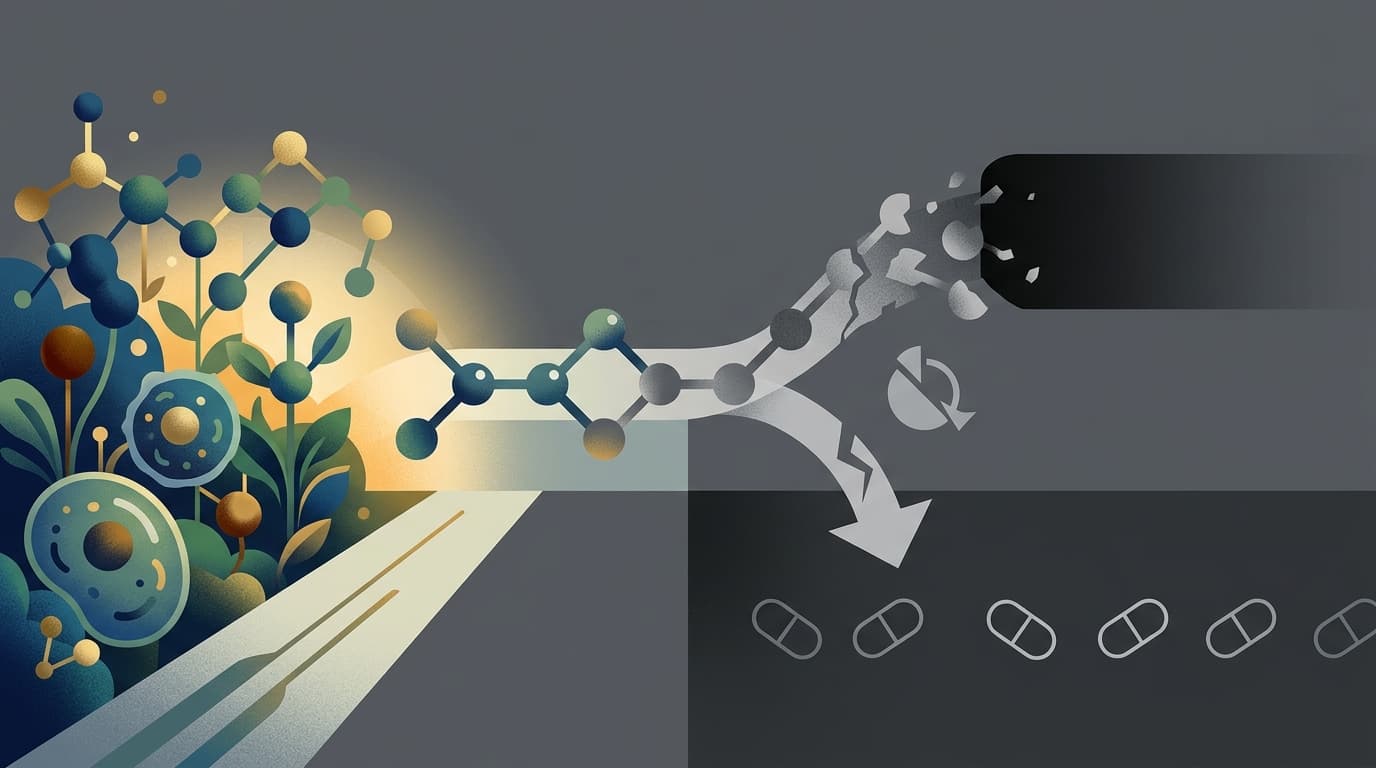
This new initiative, called the Expedited IND Pilot Program, is pointed in the opposite direction. It targets the very beginning of the journey, before a drug ever enters a human being. Think of it like this: the old programs helped you skip the line at the airport gate. This one helps you get to the airport faster.
The application window opened on September 15, 2026, and closes October 30. The FDA plans to pick its first cohort of about 8 to 10 participants by December 18.
The mechanics here are what make this interesting. Traditionally, a company preparing an Investigational New Drug (IND) application, the regulatory green light needed before testing a drug in humans, has to submit one giant package. FDA reviews the whole thing at once. If something's wrong, you get a clinical hold, and everything stops.
The pilot flips that model. Instead of building the entire house and then calling the inspector, sponsors can now get on individual pieces as they develop them. Chemistry and manufacturing info ready? Submit it. Toxicology data finished next month? Send that over when it's done. FDA reviews each component on its own timeline.

AstraZeneca is reportedly negotiating a deal worth up to $15 billion with Summit Therapeutics for ivonescimab, a bispecific antibody that beat Keytruda in a head-to-head lung cancer trial. If it closes, it would be one of the largest licensing deals in biopharma history.


Join thousands of biotech professionals who start their day with our free, daily briefing.

There's a catch, though. You can't apply alone. Every sponsor has to pair up with a Qualified Research Institution (QRI), essentially a scientific wingman with deep expertise in pharmacology, toxicology, clinical development, and regulatory affairs. The QRI helps prepare the IND materials and provides safety oversight throughout the process.
It's a buddy system, but for drug development.
The migration of early-stage trials out of the U.S. isn't a new problem. By 2010, more than half of all clinical trial sites were already outside the country. Around 80% of marketing applications submitted to the FDA contained data from foreign studies.
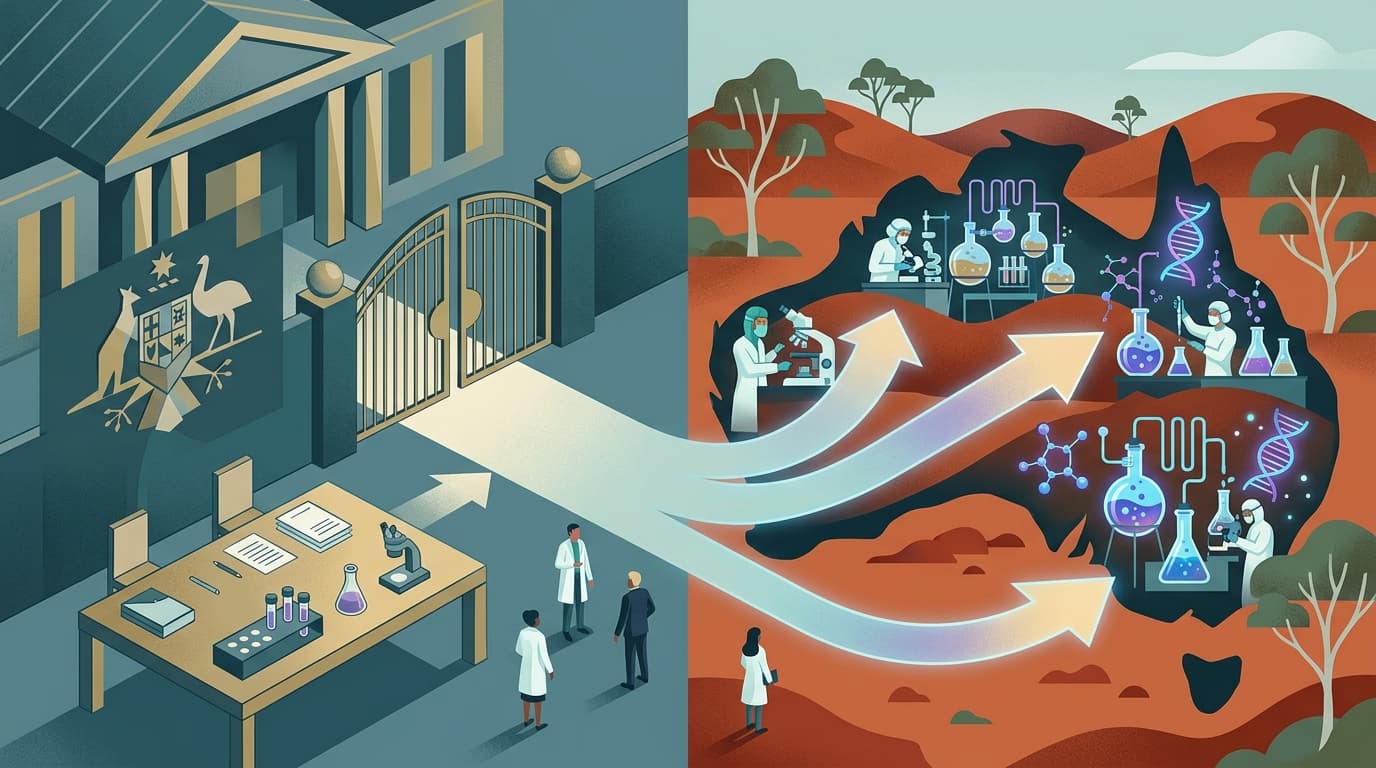
Australia has become the go-to destination for U.S. biotechs running first-in-human studies, thanks to its Clinical Trial Notification pathway and generous tax incentives. The Asia-Pacific region more broadly (Japan, South Korea, Singapore, India) has turned into a major early-phase hub, offering speed, cost savings, and growing scientific expertise.
For years, the U.S. has watched this happen like a restaurant losing customers to the food truck across the street. The food's fine; the wait time just isn't worth it.
The Expedited IND Pilot is the FDA's attempt to shorten that wait. Officials have described the goal as saving 6 to 12 months on the path from drug identification to first-in-human testing. For a small biotech burning cash every day, that's the difference between making it to clinical data and running out of money.
Not everyone qualifies. The program is limited to novel products with no existing clinical experience; think brand-new molecular entities, not reformulations of existing drugs. The IND has to be commercial (meaning the sponsor actually intends to sell the drug eventually), and the first-in-human trial must be conducted in the United States.
That last part is the quiet power move. By requiring U.S. trial placement, the FDA is essentially saying: "We'll make the process faster, but only if you run the study here." It's a carrot designed to pull early-phase work back onto American soil.
The program falls under CDER, CBER, or the Oncology Center of Excellence, covering a broad swath of drug types. Novel technologies and platforms are welcome, though the support applies to the specific drug in the application, not the platform itself.
Let's be clear about what this isn't. The Expedited IND Pilot does not change what's required for eventual drug approval. Safety standards aren't being relaxed. The statutory and regulatory IND requirements stay exactly the same. Participation is voluntary.
What's changing is the process: when and how sponsors interact with FDA, the order in which materials are reviewed, and the scientific support available during IND preparation. The goal is to catch problems early (before they trigger clinical holds) rather than discovering them after a company has spent months assembling a complete package.
If the pilot works, FDA has hinted it could evolve into a formal accreditation model for research institutions. That would be a much bigger deal, potentially scaling the benefits across the entire early-development ecosystem.
The first cohort of 8 to 10 programs won't reshape the industry overnight. But the strategic signal here is loud. The FDA is acknowledging, in a concrete and operational way, that U.S. regulatory friction has been pushing early-stage work overseas. And it's willing to experiment with solutions.
For small and mid-sized biotechs with complex programs that struggle with IND assembly, this could be a genuine advantage. Pairing with an experienced QRI and getting real-time FDA feedback on individual submission components removes a lot of the guesswork that slows things down.
For the broader market, the question is whether this stays a small pilot or becomes the template for how all early-phase regulatory work gets done. The FDA has essentially built a prototype. Now everyone's watching to see if it drives.
Global biotech firms have been spreading their Phase 1 bets across multiple continents for years, hedging against any single country's regulatory timeline. If the U.S. can genuinely close the speed gap, the calculus for where to run a first-in-human study starts to shift. Australia's speed advantage suddenly looks a lot less decisive when the FDA is reviewing your tox data in real time.
Applications close October 30. For the right companies, this might be the most important deadline of the year.
AstraZeneca's oral breast cancer pill camizestrant missed its primary endpoint in the pivotal SERENA-4 trial, failing to prove a statistically significant benefit in first-line advanced breast cancer. The setback narrows the drug's commercial ceiling just as Eli Lilly's competing therapy racks up its second FDA approval.