Eli Lilly Just Lost $90M for Breaking an Unwritten Rule
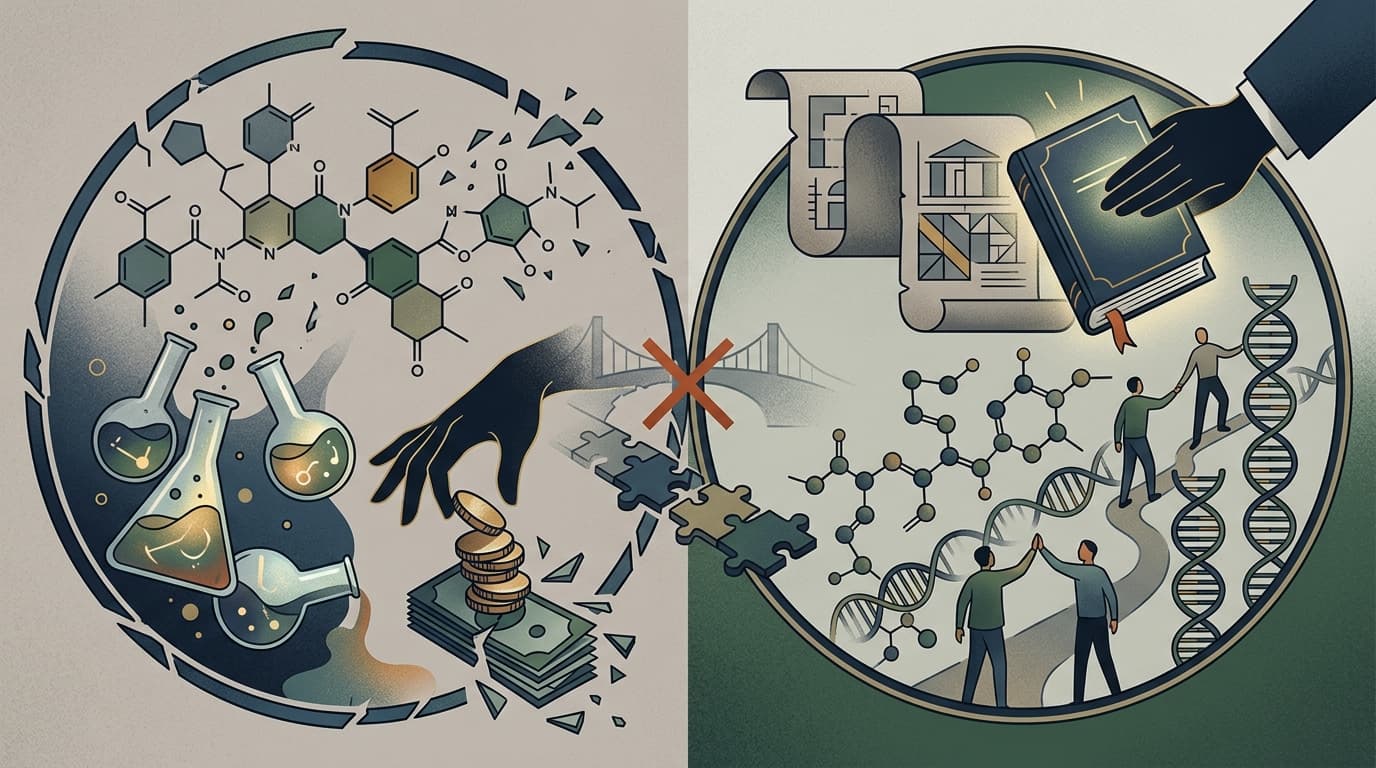
A California jury hit Eli Lilly with a $90 million verdict for breaching an unwritten obligation in its partnership with Nektar Therapeutics. The case could change how every pharma collaboration deal gets negotiated from here on out.
A Breakup That Went to Court
Imagine you sign a business deal with a partner. The contract says you'll work together, split costs, and develop a product. Your partner technically follows every written rule. But behind the scenes, they quietly sabotage your project because they found something shinier.
That's roughly what a California jury just decided Eli Lilly did to Nektar Therapeutics. And it cost Lilly $90 million.
The verdict, handed down on September 24, 2026, centers on a legal concept most people outside law school have never heard of: the implied covenant of good faith and fair dealing. In plain English, that's the unwritten expectation that partners in a deal won't deliberately undermine each other. Think of it like a marriage vow you never actually said out loud, but everyone assumes you meant.
The Deal That Started It All
Rewind to 2017. Nektar and Lilly struck a co-development deal for rezpegaldesleukin ("rezpeg" for short), a drug designed to calm overactive immune systems. Lilly paid $150 million upfront and committed up to $250 million more in development milestones. During Phase 1B and Phase 2, Lilly covered 75% of the costs while Nektar picked up the remaining 25%.
The drug itself is clever. Your immune system has a built-in peacekeeping force called regulatory T cells (Tregs). These cells prevent your immune system from attacking your own body. In autoimmune diseases like lupus or severe eczema, that peacekeeping force breaks down. Rezpeg is essentially a Treg booster shot: it selectively activates those calming cells without winding up the aggressive ones.
Nektar and Lilly were testing rezpeg across multiple autoimmune conditions, including atopic dermatitis, alopecia areata, and psoriasis. Phase 2 data looked promising. The partnership seemed like a classic biotech-pharma marriage: scrappy innovator brings the science, deep-pocketed giant brings the resources.
Get tomorrow's biotech intelligence before your competitors.
Join thousands of biotech professionals who start their day with our free, daily briefing.
In Nektar's telling of the story, the trouble started when Lilly acquired Dermira, which gave Lilly control of a competing autoimmune drug called lebrikizumab. Suddenly, Lilly had a horse in the same race that rezpeg was running. And according to Nektar, Lilly started pulling resources from the partnership to feed its new acquisition.
Nektar's argument in court boiled down to this: Lilly treated rezpeg like "damaged goods," deliberately slowing development and prioritizing the competing asset. It's the biotech equivalent of your business partner secretly opening a competing restaurant across the street while still collecting rent from your shared kitchen.
In April 2023, Lilly exercised its contractual right to terminate the agreement. Nektar got its drug back, but argued the damage was already done. By August 2023, Nektar had filed suit.
Why "Implied" Makes This So Unusual
Most pharma partnership lawsuits are straightforward. Company A didn't pay Company B. Company A missed a deadline. Company A broke a specific clause on page 47 of the contract.
This case was different. The jury didn't find that Lilly violated an explicit term. Instead, it found that Lilly violated an implied obligation, the expectation baked into every contract under California law that neither party will act in bad faith to destroy the other's expected benefits.
Legal scholars describe this as a "gap-filling" doctrine. Contracts can't anticipate every scenario, so the law fills in the blanks with a baseline expectation of fairness. Courts typically treat it as a narrow, extraordinary remedy. Winning on this theory alone is hard. Winning $90 million on it? That's practically unheard of in pharma licensing disputes.
To be clear: the implied covenant can't override what the contract explicitly allows. If Lilly's agreement said it could terminate at will (which it apparently did), the termination itself wasn't the problem. The problem was the conduct leading up to it: the alleged foot-dragging, the resource diversion, the quiet favoritism of a competing program.
A Win, But Not the Win Nektar Wanted
Before you picture Nektar popping champagne, note the math. Nektar originally asked for up to $1 billion in damages. The jury gave them nine cents on the dollar. That's a significant haircut.
Wall Street noticed. Lilly's stock barely moved after the verdict, which tells you the market considers $90 million a rounding error for a company of Lilly's size. For Nektar, though, $90 million is real money.
And the story isn't over. Lilly has signaled it plans to fight the verdict. Post-trial motions are still pending, interest payments haven't been calculated, and an appeal is all but certain. Jury verdicts based on implied covenant theories face extra scrutiny on appeal because appellate courts tend to be skeptical of obligations that aren't written down.
Why Every Biotech BD Team Should Be Paying Attention
Forget the dollar amount for a second. The real significance here is the precedent.
Biotech companies enter licensing deals with pharma giants all the time, often from a position of weakness. The smaller company brings the science; the bigger company brings the checkbook and the clinical infrastructure. These deals routinely include termination-at-will clauses that let the pharma partner walk away.
What this verdict says is: you can walk away, but you can't sabotage the house on your way out the door. If a pharma company acquires a competing asset and quietly deprioritizes the partnered program, a jury might call that bad faith, even if no specific contract clause was broken.
For biotech deal teams, the immediate lesson is about contract drafting. Expect to see more explicit "commercially reasonable efforts" clauses with teeth, tighter definitions of what constitutes deprioritization, and maybe even anti-shelving provisions that prevent partners from burying a program after acquiring a competitor.
For pharma companies managing large portfolios of partnerships, the lesson is simpler: how you behave inside a deal matters as much as what the deal says on paper.
The Bottom Line
A $90 million jury verdict won't reshape Eli Lilly's balance sheet. But it might reshape how pharma partnerships are negotiated, managed, and (when things go wrong) dissolved. The implied covenant of good faith has always been there, lurking in the background of every licensing agreement. This verdict just gave it very expensive teeth.
Nektar gets a meaningful payout if the verdict survives appeal. The biotech industry gets a case study in what happens when big pharma partners play favorites. And every lawyer drafting a collaboration agreement this week is adding a few extra pages, just in case.
6 min read
The $3.9 Million Shot That Could Save Kids With No Other Options
For decades, families with Sanfilippo syndrome were told to take their kids home and love them. Now a $3.9 million gene therapy from Ultragenyx is the first FDA-approved treatment for this fatal childhood brain disease, and it's part of a wave that's reshaping rare disease medicine.