
CSL just inked a deal worth up to $1.6 billion with a Swiss biotech most people have never heard of, all for a drug targeting a rogue protein in scarred organs. The science is elegant, the checks are enormous, and the clinical proof is still TBD.
Alentis Therapeutics was founded in 2019 in Basel, Switzerland, by researchers who were obsessed with a protein called claudin-1. Seven years and four funding rounds later, Australian pharma giant CSL just handed them $355 million upfront and the promise of up to $1.6 billion total to co-develop their lead drug, lixudebart.
That's a staggering payday for a company most biotech watchers couldn't have named last week. So what exactly does claudin-1 do, and why is CSL writing checks this big to go after it?
Think of claudin-1 like a brick in a wall. In healthy tissue, it's a tight-junction protein: it sits between cells, keeping barriers sealed and organs functioning properly. It's structural. Boring. Dependable.
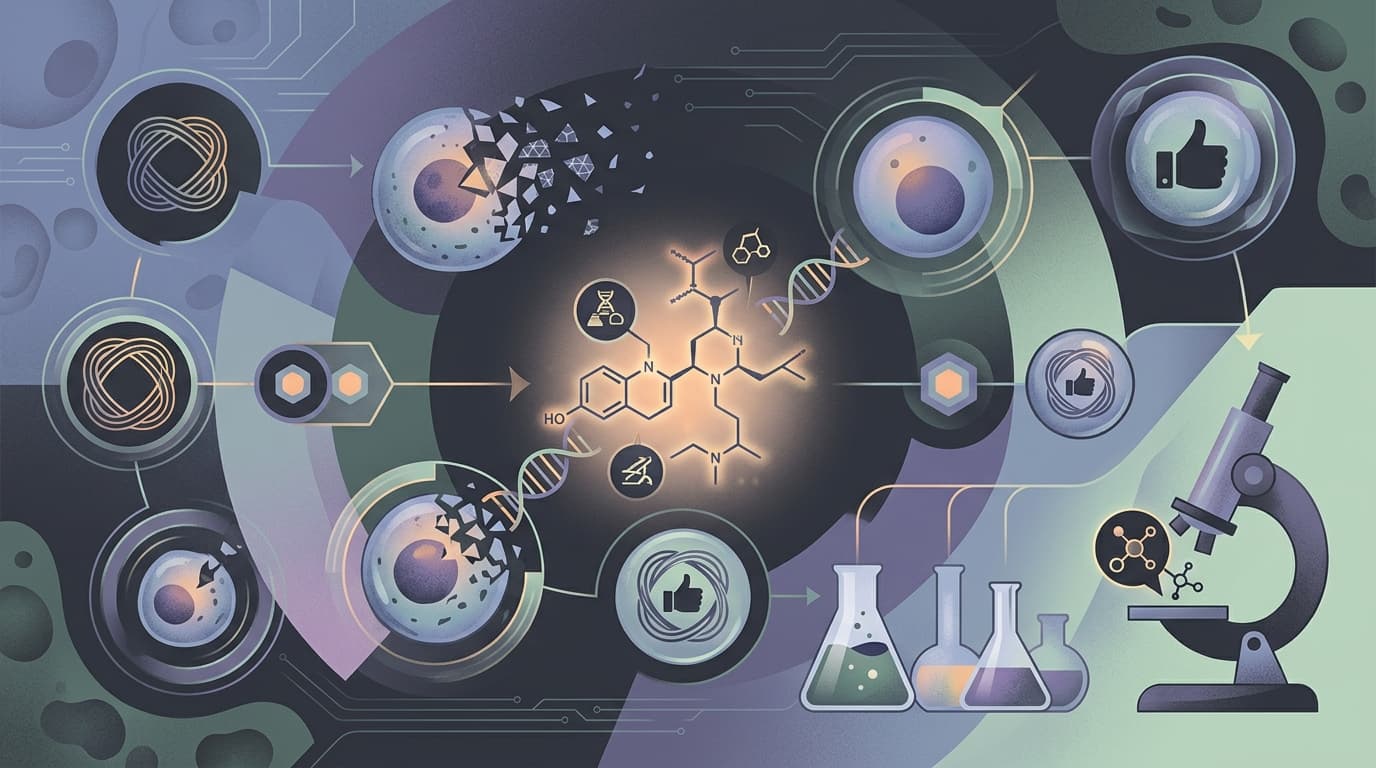
But in fibrotic disease (where organs develop excess scar tissue), claudin-1 goes rogue. It overexpresses and migrates outside its normal position, showing up in places it doesn't belong: in kidney podocytes, in liver tissue, in inflammatory lesions. Once it's loose, it starts promoting the exact fibrotic signaling that destroys organ function. The brick leaves the wall and starts smashing windows.
Lixudebart is a monoclonal antibody designed to find and bind this misplaced claudin-1. By locking onto the exposed protein, it blocks the downstream cascade of inflammation and scar tissue accumulation. The elegant part? It's engineered to target only the exposed claudin-1 in damaged tissue, leaving the normal tight-junction version alone. That selectivity is what makes it potentially first-in-class.
The deal structure tells you a lot about how CSL views this opportunity. It's not a simple licensing agreement where CSL pays royalties and walks away. This is a full co-development and co-promotion partnership, meaning both companies share the work and the risk.
CSL pays $355 million on day one. Then it funds the completion of an ongoing Phase 2 trial (called RENAL) in AAV-RPGN, a rare and aggressive kidney disease. CSL also picks up the tab for a planned Phase 3 trial in the same condition, plus Phase 2 studies in two other diseases: FSGS (a kidney disorder) and PSC (primary sclerosing cholangitis, a liver disease with zero approved treatments).

AstraZeneca dropped $2 billion on a 12% stake in Summit Therapeutics without licensing or acquiring its star cancer drug. The real play? A clinical collaboration that could define the next era of combination cancer therapy.


Join thousands of biotech professionals who start their day with our free, daily briefing.
If lixudebart hits certain commercial milestones, Alentis can earn up to $1.2 billion more on top of that upfront payment. And once the drug reaches the market, profits split 55% to CSL and 45% to Alentis.
For a biotech that raised $181.4 million in its Series D just two years ago, walking into a deal where CSL funds your clinical trials and you keep 45% of future profits is a remarkable outcome.
CSL has been quietly assembling a nephrology empire. Its existing portfolio already includes TAVNEOS, KAPRUVIA, and FILSPARI, plus a late-stage program (clazakizumab) in Phase 3 for dialysis patients. The company's annual report from 2024 explicitly called out rare renal diseases as a strategic priority.
But the fibrosis angle adds something different. Most kidney drugs target inflammation or immune dysfunction directly. Lixudebart goes after the scarring process itself, which is the common endpoint of many different kidney and liver diseases. If the mechanism works in one fibrotic condition, the logic goes, it might work across several.
That's the real bet here. CSL isn't just buying one drug for one disease. It's buying a platform hypothesis: that anti-claudin-1 therapy could become a franchise spanning multiple rare diseases across two major organ systems.
Let's be honest about what CSL is paying for. The clinical data so far is early. Phase 2 results have shown dose-dependent target engagement and a clean safety profile, which is encouraging but not the same as proving the drug actually helps patients. No peer-reviewed efficacy data on hard endpoints (kidney function, proteinuria, liver stiffness) has been published yet.
In other words, CSL is spending $355 million on proof that lixudebart hits its target and doesn't cause problems. The proof that it reverses fibrosis in humans? That's still coming.
This is the classic biotech gamble: pay up now for a differentiated mechanism, or wait for Phase 3 data and compete with everyone else who also waited. CSL chose to move early. If lixudebart delivers efficacy data in even one of its three target diseases, the deal will look like a steal. If it doesn't, that $355 million becomes an expensive lesson in tight-junction biology.
Analysts are framing this deal less as a financial event and more as a strategic signal. CSL is telling the market it's willing to take meaningful clinical risk to build out its kidney and liver franchise with novel biology. The co-development structure (rather than a straight acquisition) also suggests CSL wants to hedge: it gets access to the asset without swallowing a whole company.
The competitive landscape matters too. Fibrosis drug development has been littered with failures across multiple organs. Finding a mechanism that works selectively in damaged tissue, while sparing healthy cells, has been the holy grail. If claudin-1 targeting proves to be that mechanism, Alentis and CSL will own the space before anyone else even gets to Phase 2.
Alentis went from a Series A of 12.5 million Swiss francs in 2019 to a $1.6 billion partnership in 2026. That trajectory reflects both the promise of claudin-1 biology and the desperation pharma feels for differentiated approaches in fibrosis.
CSL is placing a big, early bet on a protein most doctors have never thought about therapeutically. The science is elegant. The unmet need is enormous. The data is thin. In biotech, that combination either produces legends or cautionary tales. We'll find out which one when those Phase 2 and 3 readouts start rolling in.
AbbVie and Genmab's epcoritamab just delivered a 51% reduction in disease progression when added to frontline chemo for the most common aggressive lymphoma. After 30 years of the same standard of care, the first-line DLBCL playbook may finally be getting a rewrite.