
CRISPR's scissors work great. The problem is that different cells repair the cuts in wildly different ways. Researchers have now identified specific genes, led by a troublemaker called TREX1, that actively sabotage editing efficiency, and the discovery could reshape how we pick patients and design gene therapies.
Imagine you hand ten different people the same pair of scissors and ask them to cut along the same dotted line. Some nail it. Others butcher it. A few somehow end up cutting the wrong page entirely.
That's basically what's been happening with CRISPR gene editing. And researchers think they've finally figured out why.
CRISPR is often described as "molecular scissors" that can snip DNA at precise locations. It's a brilliant metaphor, and it's also a little misleading. The cutting part works fine. The problem is what happens after the cut.
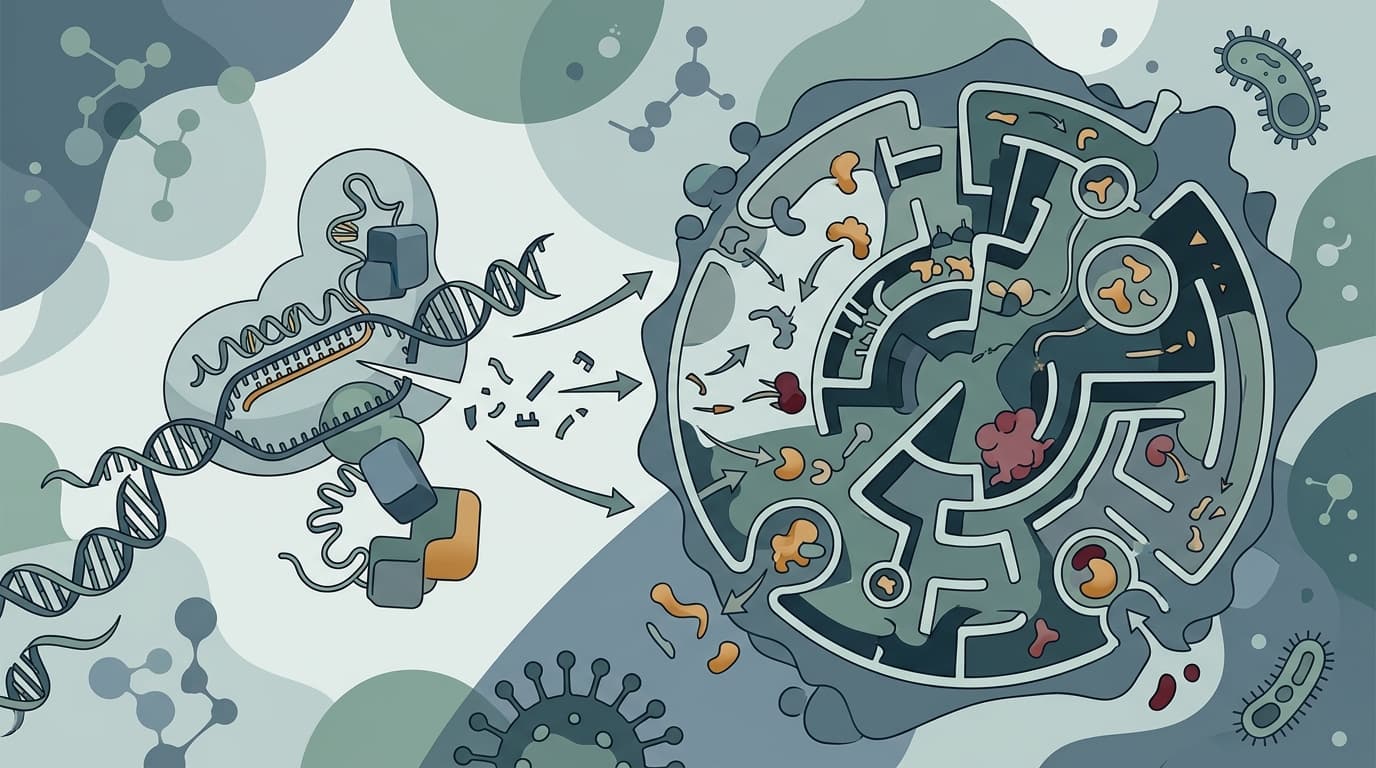
When CRISPR slices through DNA, the cell has to repair itself. Think of it like patching a pothole: some cells do a clean job, while others fill it with gravel and call it a day. The repair process depends on the cell's own machinery, and that machinery varies wildly depending on the cell type, the genetic neighborhood of the cut, and even the patient whose cells you're editing.
Researchers have now pinpointed specific genes that actively sabotage CRISPR's performance. The biggest culprit? A gene called TREX1, which acts like an overzealous cleanup crew that degrades the very DNA templates CRISPR needs for precise edits. In multiple cell types (T cells, blood stem cells, cancer lines), high TREX1 expression was strongly linked to poor editing outcomes. When scientists knocked it out, precision editing improved dramatically.
TREX1 isn't alone. A whole rogues' gallery of genes can throw wrenches into the process, and their effects depend on which cells you're working with.
Beyond TREX1, researchers identified several other genes that limit editing performance in specific cell types:
POLL, a DNA repair gene, was shown to suppress the formation of desired edits in neurons and resting T cells. Knocking it down shifted the repair balance and boosted overall editing. RRM1 and RRM2, which control nucleotide supply in non-dividing cells, also altered repair outcomes when inhibited.

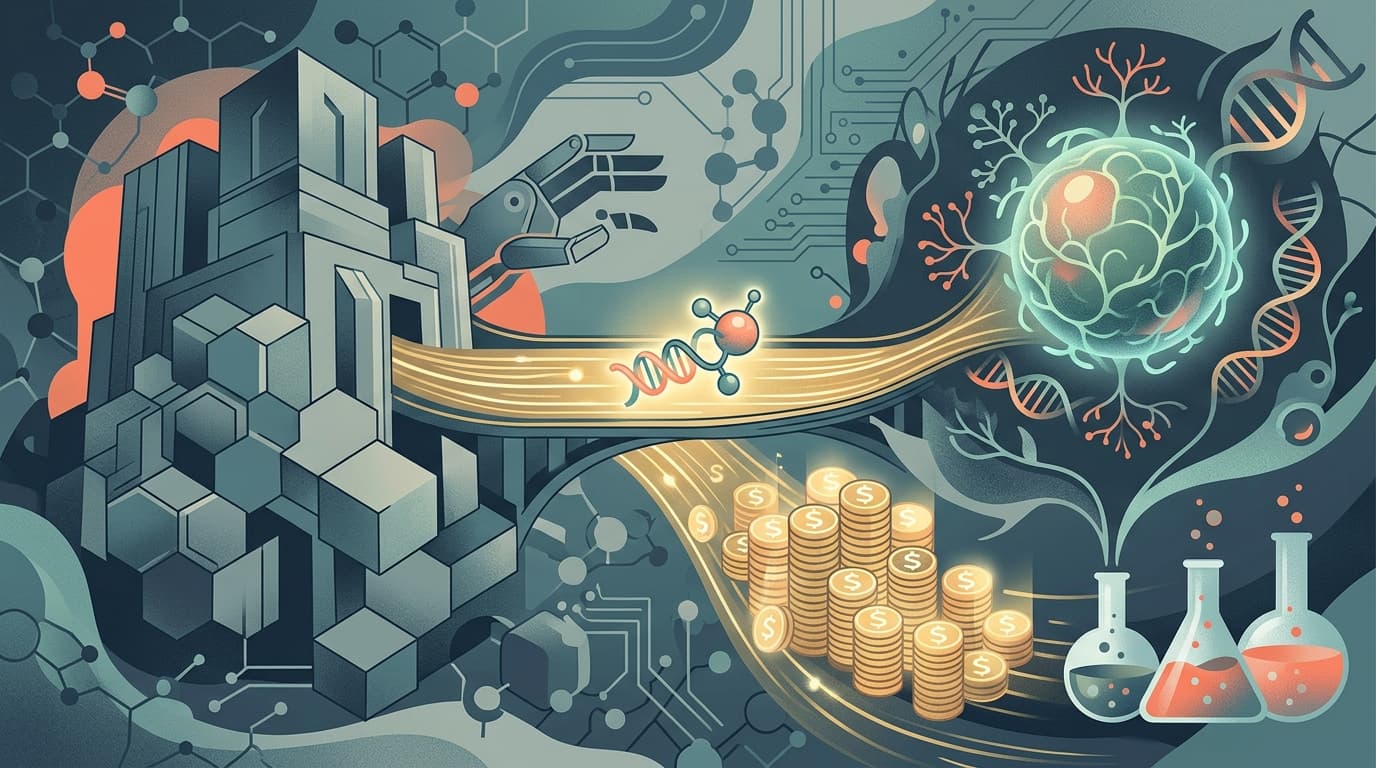
Novartis spent years publicly dismissing antibody-drug conjugates, only to drop $1.1 billion on a UK startup whose lead drugs haven't been tested in humans. The Myricx Bio acquisition is either a brilliant platform play or one of the most expensive science experiments in recent pharma history.


Join thousands of biotech professionals who start their day with our free, daily briefing.
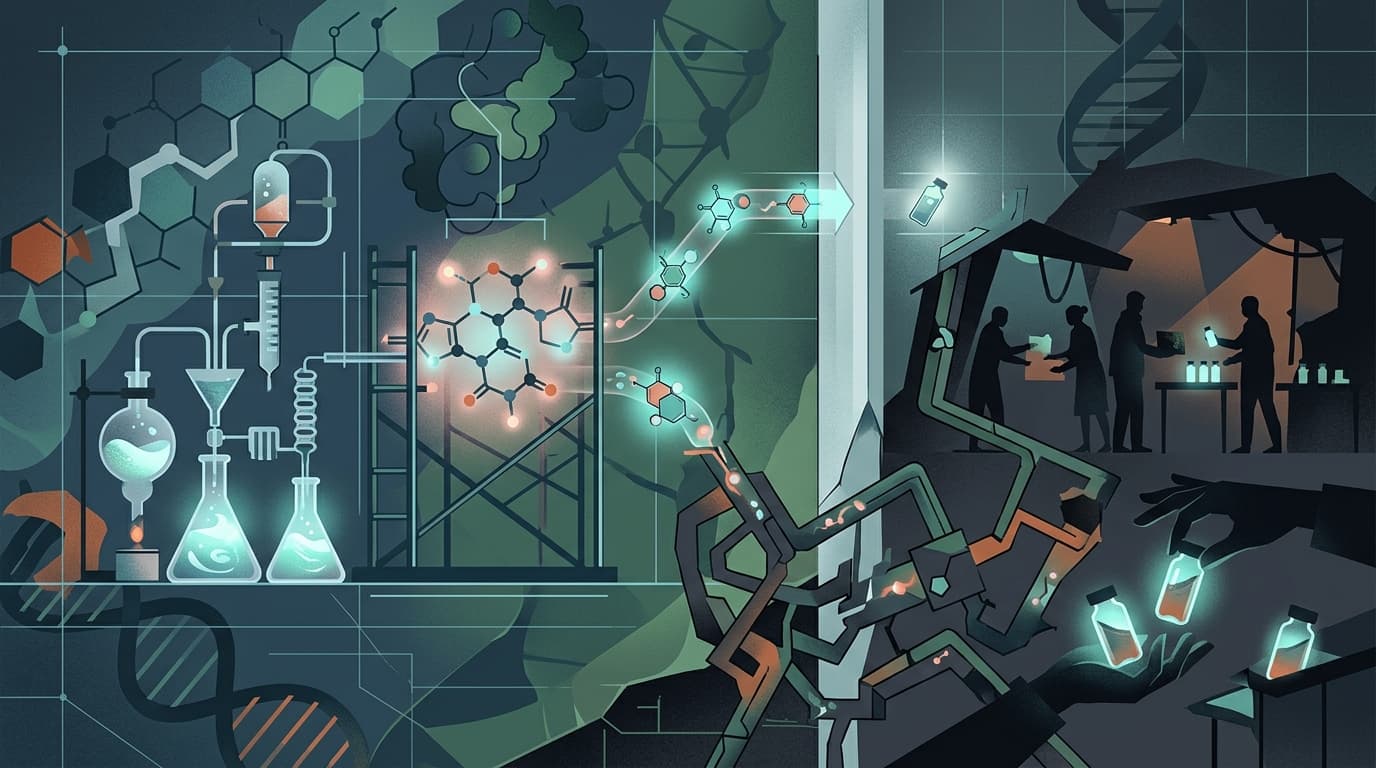
The pattern is clear: CRISPR's scissors work the same way every time, but the cells themselves decide what happens next. It's like giving everyone the same recipe but different kitchens. The oven matters. The ingredients matter. The altitude matters.
One particularly striking finding involves T cells, the immune soldiers at the heart of many CRISPR-based cancer therapies. Naïve T cells (ones that haven't been activated by an infection) were found to be highly resistant to gene knockout. Certain genes edited beautifully in activated T cells but barely budged in freshly thawed, resting ones. For companies building CAR-T therapies and other cell-based treatments, this kind of variability is a serious headache.
This discovery matters because the CRISPR therapeutics pipeline is growing fast, and consistency is everything when you're treating patients. In human blood stem cells (CD34+ cells), editing efficiency has been reported to vary widely from patient to patient using identical protocols. That's not a minor quality-control issue; it's the difference between a therapy that works and one that doesn't.
The variability problem has several layers. First, cells differ in how they repair DNA. The two main repair pathways, NHEJ (a quick-and-dirty fix) and HDR (a precise, template-guided repair), compete for control after every CRISPR cut. HDR is the one scientists usually want, but it only works well in actively dividing cells. Quiescent or slow-growing cells default to NHEJ, which produces unpredictable insertions and deletions.
Second, the genomic neighborhood matters. Targets sitting in open, accessible DNA (euchromatin) get edited far more efficiently than those buried in tightly packed regions (heterochromatin). GC content, the ratio of guanine and cytosine bases in the target sequence, also plays a role: the sweet spot for efficient editing falls around 40 to 60 percent GC content. Too high or too low, and performance drops.
Third, patient-specific genetic variation can silently undermine a therapy designed around a reference genome. A single nucleotide change at the target site can reduce binding, lower efficiency, or shift specificity in ways that standard protocols won't catch.
If the problem sounds daunting, the flip side is genuinely exciting. Knowing which genes suppress editing opens the door to smarter patient selection and better-designed therapies.
For ex vivo therapies (where cells are removed, edited in a lab, and put back), companies could screen patient cells for TREX1 expression or other suppressive markers before committing to manufacturing. Think of it like checking soil quality before planting a garden. Why invest months and hundreds of thousands of dollars in a manufacturing run if the cells are unlikely to edit well?
For in vivo therapies (where CRISPR is delivered directly into the body), understanding tissue-specific repair biology could help developers pick the right delivery windows, co-administer repair-pathway modulators, or choose targets in more accessible genomic regions.
The field is also moving toward engineered nucleases that sidestep these problems entirely. A 2026 NIH-funded effort created a Cas12f variant (a smaller cousin of Cas9) that boosted editing efficiency from under 10 percent to over 80 percent at tested targets. That's not incremental improvement; that's a category shift.
The approved CRISPR therapies we have today, like Casgevy for sickle cell disease and beta-thalassemia, work because they use ex vivo editing with extensive quality control. Every batch of edited cells gets tested before it goes back into the patient. But that model is expensive, slow, and available only at specialized centers.
Scaling CRISPR to broader diseases and in vivo applications requires solving the consistency problem. This research gives the field a concrete roadmap: instead of treating every cell and every patient the same, developers can now account for the biological variables that actually determine success.
The scissors were never the problem. The real challenge was always understanding the material you're cutting. Now, for the first time, CRISPR developers have a parts list of what's been working against them. And in biotech, knowing the enemy is usually the first step toward beating it.
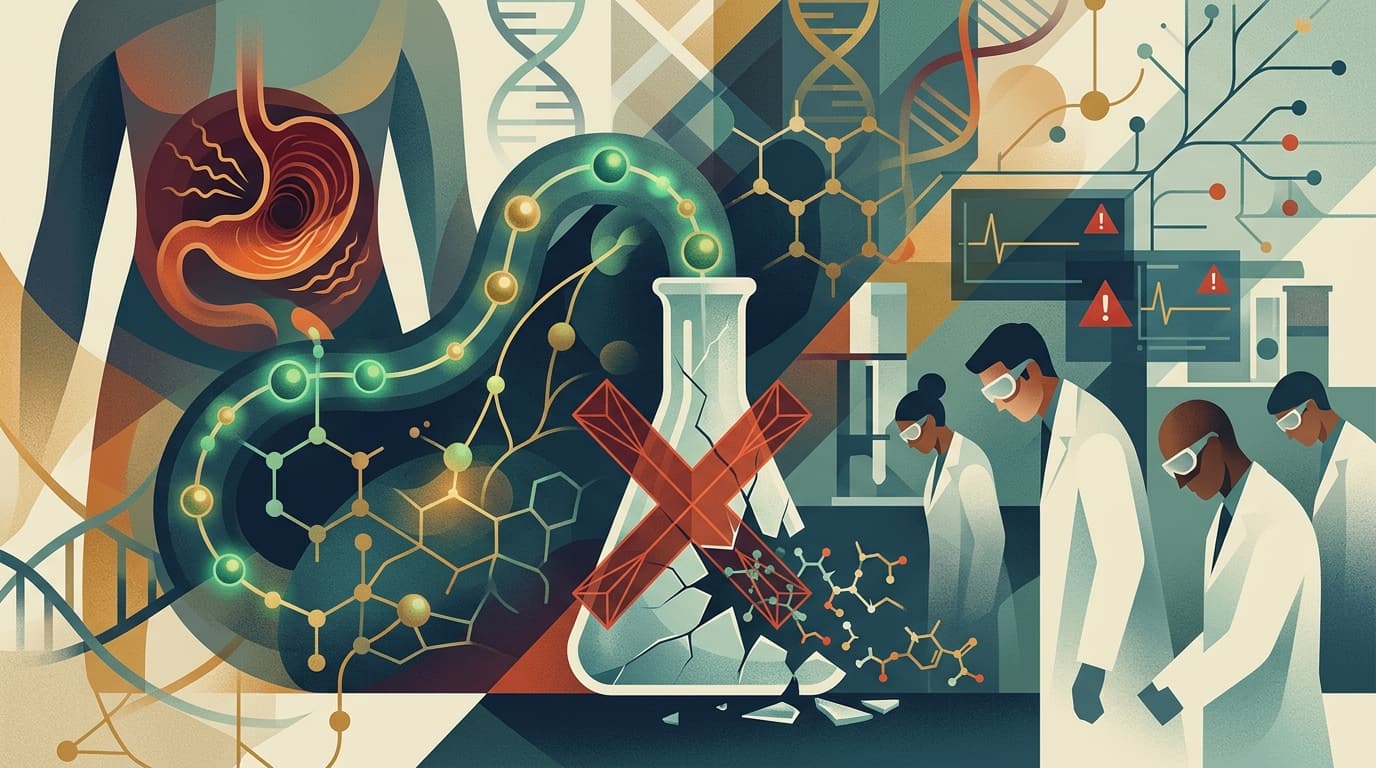
The first-ever drug for the relentless hunger of Prader-Willi syndrome is under scrutiny after seven deaths and over 100 serious adverse events surfaced in post-marketing reports. Experts aren't saying pull it; they're saying pay closer attention.