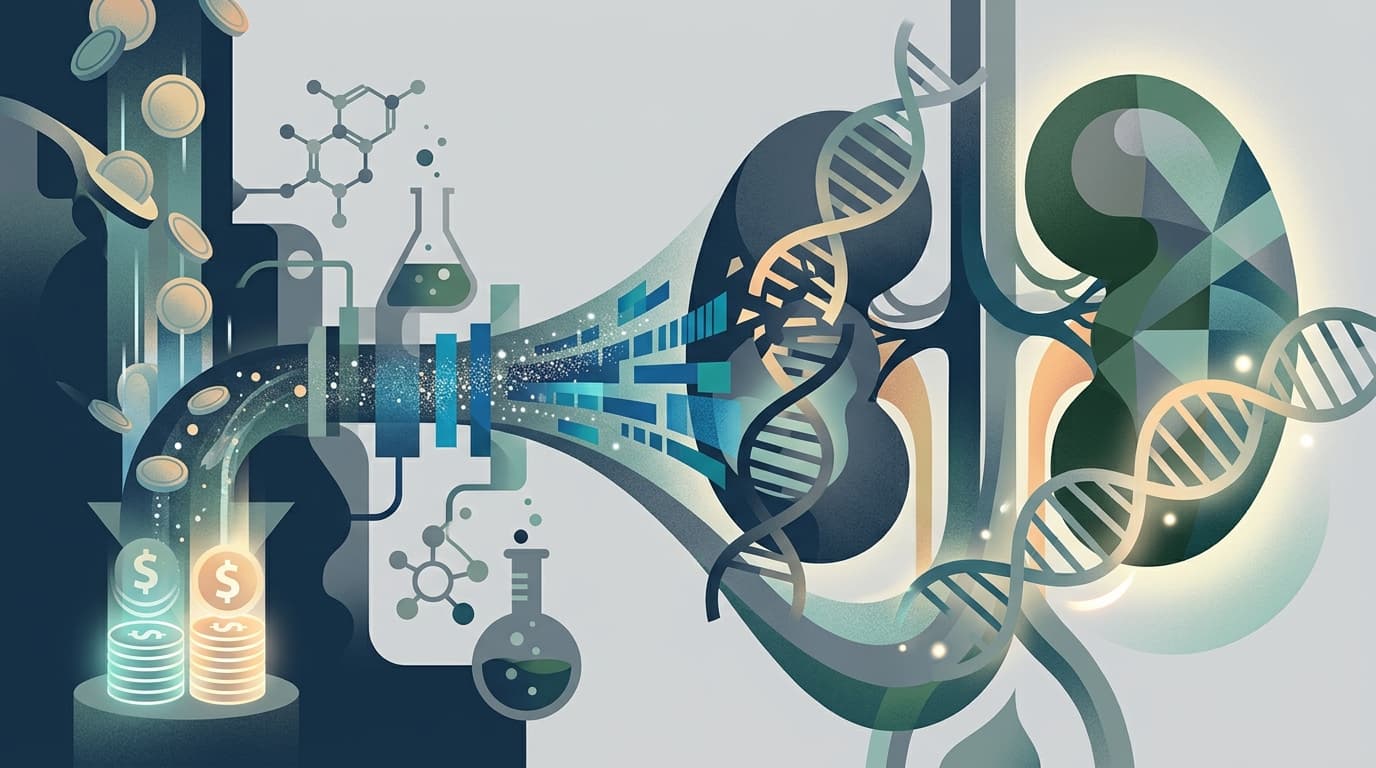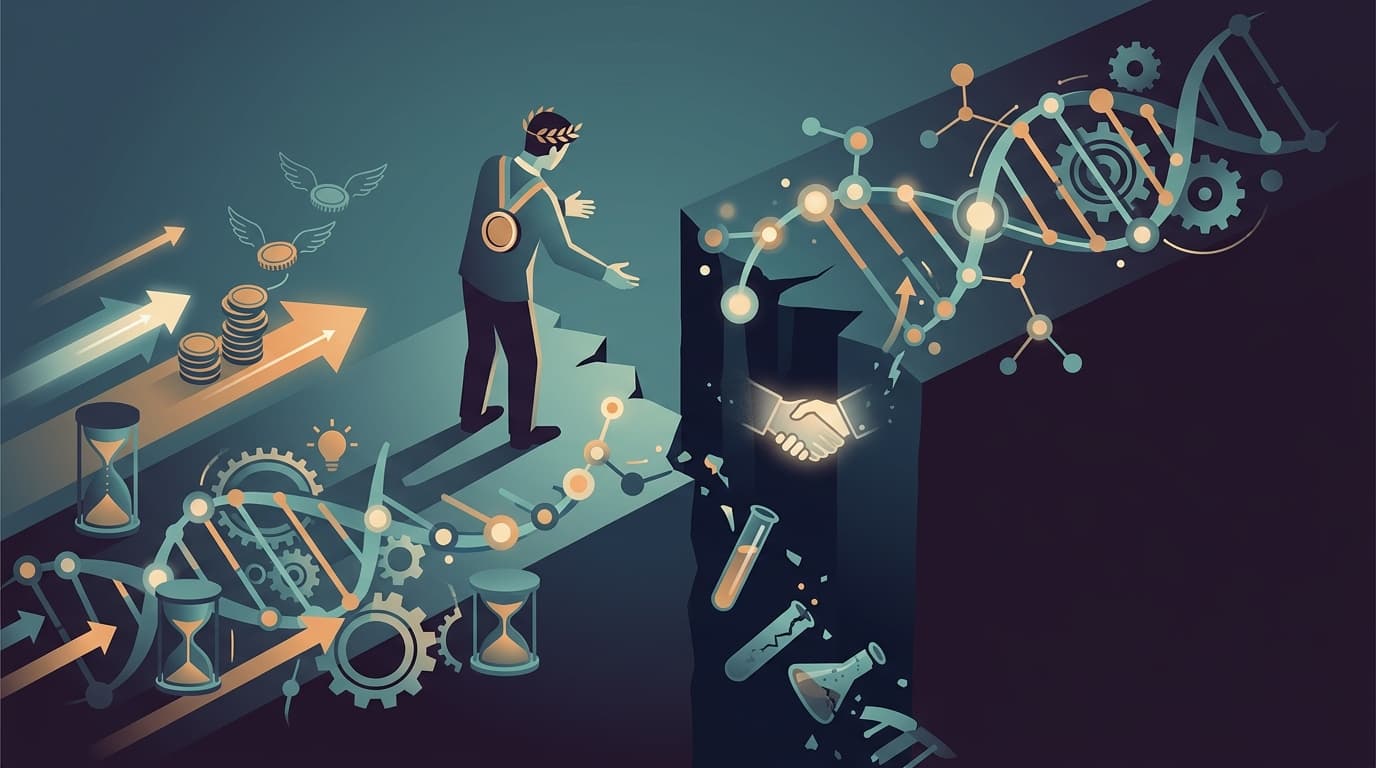

Caribou Biosciences, the CRISPR company co-founded by Nobel laureate Jennifer Doudna, is shutting down after failing to raise the capital needed to advance its gene-editing cancer therapies. The data looked promising; the bank account didn't.
In 2020, Jennifer Doudna won the Nobel Prize for helping invent CRISPR, the gene-editing technology that lets scientists rewrite DNA like a typo in a Word document. One year later, the company she co-founded to turn that science into medicine went public with massive ambitions. Five years after that, it's closing its doors.
Caribou Biosciences announced in October 2026 that it's shutting down clinical development, laying off most of its staff, and exploring a possible sale or merger. The Berkeley-based company couldn't raise the money it needed to keep going.
For a company built on one of the most celebrated scientific breakthroughs of the century, this is a gut punch. And it says something uncomfortable about the gap between groundbreaking science and the brutal economics of making drugs.
Caribu's big bet was on "allogeneic" CAR-T therapy. In plain English: cancer treatments made from a donor's immune cells instead of the patient's own. Think of it as the difference between a custom-tailored suit and one you buy off the rack. The off-the-rack version is cheaper, faster to produce, and available to far more people.
The company used CRISPR to engineer these donor cells so they could attack cancer without triggering the patient's immune system to reject them. Its lead program, vispa-cel, targeted a type of blood cancer called B-cell non-Hodgkin lymphoma. A second program, CB-011, went after multiple myeloma.
The clinical data was actually encouraging. In one group of 22 patients, vispa-cel hit an 82% overall response rate, with 64% achieving complete remission. Safety looked clean, too: no cases of graft-versus-host disease (a dangerous complication where donor cells attack the patient's body) and very low rates of serious side effects.
So the science wasn't the problem. The checkbook was.
Caribu's cash situation tells the story of a company running downhill. At the end of 2024, it had in the bank. By the end of 2025, that had shrunk to . Meanwhile, it was burning through cash at a ferocious pace, posting a $148.1 million net loss for the full year.

After four brutal years where biotech IPOs practically flatlined, 26 drug companies have gone public in 2026, raising billions and delivering 42% average returns. The candy store is finally open again, but how long will it last?


Join thousands of biotech professionals who start their day with our free, daily briefing.
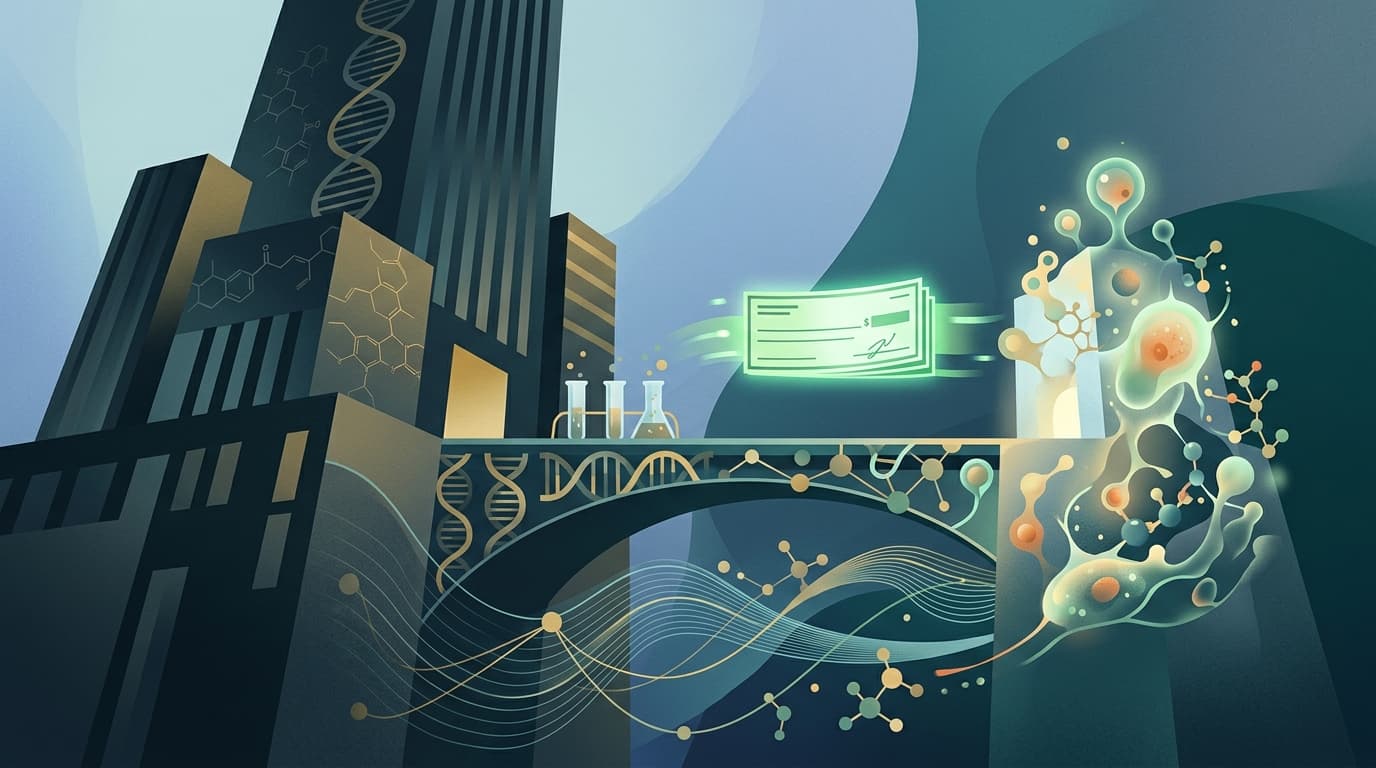
The company had never sold a product. Its total revenue from licensing and collaboration deals in 2025 was just $11.2 million, a rounding error against its losses. As of the end of 2025, the accumulated deficit had ballooned to $596.5 million.
In April 2025, Caribou tried to buy time. It cut 32% of its workforce and narrowed its pipeline, projecting that the savings would stretch its runway into the second half of 2027. But stretching a runway and actually taking off are two very different things. By October 2026, the company admitted it had failed to secure the financing needed for later-stage trials.
The remaining 87 employees in Berkeley received layoff notices, with departures expected by December 7.
Caribu isn't dying alone. The entire CRISPR sector has been stuck in something that looks less like a rough patch and more like a prolonged ice age.
Consider the body count from 2025 alone. Intellia Therapeutics slashed 27% of its workforce and killed a rare-disease program. Prime Medicine replaced its CEO, laid off 25% of staff, and dramatically narrowed its focus. Scribe Therapeutics cut nearly 20% of its team. Spotlight Therapeutics shut down entirely after disappointing preclinical results. Even Editas Medicine and Sangamo Therapeutics have been shrinking and restructuring.
The pattern is clear: investors have lost patience with platform-heavy companies that need huge amounts of follow-on capital. The first CRISPR-based therapy (Casgevy, for sickle cell disease) was approved in late 2023, proving the technology works in humans. But approval of one product didn't translate into a funding bonanza for the broader field. If anything, it sharpened investor scrutiny. They want near-term, credible paths to revenue, not sprawling pipelines that might pay off in a decade.
Then there's the safety overhang. Intellia paused two late-stage trials in late 2025 after a liver-safety signal, and the FDA placed those studies on clinical hold. That kind of event doesn't just hurt one company; it spooks investors across the entire sector.
This is the part that stings. CRISPR is real. It works. Caribou's own data showed its off-the-shelf CAR-T cells could produce responses comparable to the custom-made versions that cost hundreds of thousands of dollars per patient. Vispa-cel's 12-month progression-free survival of 51% in the confirmatory group was competitive with approved autologous therapies.
But "competitive" isn't enough when you're a small biotech asking investors for hundreds of millions more dollars to run pivotal trials in a market that has collectively decided gene editing is too risky, too expensive, and too far from profitability. It's like having a restaurant with incredible food but no way to pay rent. The quality of the meal doesn't matter if you can't keep the lights on.
Caribu was founded in 2011 by Doudna, Rachel Haurwitz, Martin Jinek, and James Berger to commercialize CRISPR discoveries from the Doudna lab at UC Berkeley. It was, in many ways, the OG CRISPR company. Its intellectual property even formed the foundation for other companies; Intellia, for example, licensed IP from Caribou.
Caribu says it's evaluating "strategic alternatives," which in biotech-speak means: we're hoping someone buys us, acquires our assets, or merges with us before the money runs out completely. A small team will stay on to manage this process.
The question is whether anyone wants to buy what Caribou is selling. The company has clinical data, CRISPR IP, and manufacturing know-how. For a larger pharma company with deeper pockets and an existing cell-therapy infrastructure, those assets could be a bargain. Fire sales in biotech often produce the best deals for acquirers.
But for the employees, the patients enrolled in trials, and the broader CRISPR community, this is a loss. Not because the science failed, but because the market decided the science wasn't worth funding right now.
Somewhere in that gap between "this technology could change medicine" and "this company can't raise another round" lies one of biotech's oldest and cruelest truths: being right isn't the same as surviving long enough to prove it.
A new biotech just emerged from stealth with $103 million to attempt something nobody has done: fix the broken genes behind the most common inherited kidney disease. The science comes from Yale, the money comes from RA Capital, and the stakes couldn't be higher.